Discussion Overview
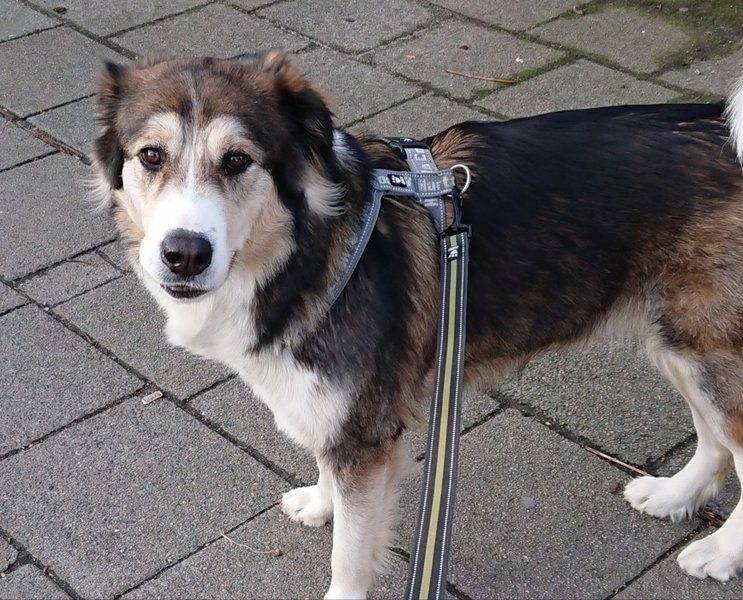
The discussion revolves around the question of whether a dog exhibits traits indicative of having wolf ancestry, particularly in the context of DNA testing. Participants explore behavioral characteristics, the meaning of "wolf blood," and the implications of genetic testing in relation to dog breeds, specifically malamutes and golden retrievers.
Discussion Character
- Debate/contested
- Conceptual clarification
- Exploratory
Main Points Raised
- Some participants note that the dog displays behaviors such as hypersensitivity and skittishness, which they associate with potential wolf ancestry.
- Others question the meaning of "wolf blood," suggesting it may not be a scientifically valid term and could refer to genetic overlap rather than a distinct category.
- There are claims that DNA tests could identify recent crossbreeding between dogs and wolves, but the certainty of this is debated.
- Some participants argue that the dog's behavior may not necessarily indicate wolf ancestry, as similar behaviors can occur in regular dog breeds.
- Concerns are raised about the potential impact of DNA test results on the owner's relationship with the dog, suggesting that expectations based on such tests might be misguided.
- Participants express differing views on the relevance of wolf ancestry in understanding the dog's behavior, with some emphasizing the importance of training and socialization.
Areas of Agreement / Disagreement
Participants do not reach a consensus on the implications of "wolf blood" or the relevance of DNA testing. Multiple competing views remain regarding the interpretation of the dog's behavior and the significance of genetic ancestry.
Contextual Notes
Limitations in the discussion include unclear definitions of "wolf blood," the potential for misunderstanding the relationship between behavior and genetics, and the influence of training and socialization on dog behavior.



 )
)