Share Animal Pictures: For Animal Lovers
- Thread starter micromass
- Start date
-
- Tags
- Animal
Join the discussion
Registration is free. Ask a follow-up in this thread, or start your own.
3,079 replies · 333K views
Physics news on Phys.org
Homework Helper
Education Advisor
Gold Member
- 7,805
- 2,208
BillTre,
Was that microscopic fancy-lit picture organism photographed using some digital type software, or was using photographic film?
Was that microscopic fancy-lit picture organism photographed using some digital type software, or was using photographic film?
- 7,839
- 4,184
The optics aren't that complicated- just imaging through crossed polarizers. The way colors are generated is a little tricky, but basically result from what is left when a narrowband portion of of the illumination spectrum is rejected (because of the 'retardance' of the material). The poster used a basic petrographic setup, you can get similar rainbow colors from hair/bone/teeth, anything birefringent with a vaguely crystalline structure.BillTre said:They probably used a digital video camera mounted on a microscope with the fancy contrast optics (like phase contrast).
Science Advisor
Gold Member
2025 Award
- 4,604
- 4,325
polychromatic polarizing microscopy is a bit more complex than conventional polarization microscopy (the one with crossed polarizers and a waveplate). In PPM, instead of a simple polarizer in front of the illumination they construct a different polarization state for each wavelength for the illumination. At least that's how I think it works, I'm certainly no expert. You can read about it in this patent.
https://patentimages.storage.googleapis.com/13/76/77/be4559922a6c31/US9625369.pdf
https://patentimages.storage.googleapis.com/13/76/77/be4559922a6c31/US9625369.pdf
Swamp Thing
- 1,076
- 847
Rather long, but well worth watching.
DennisN
Gold Member
- 2,198
- 10,333
I just heard that a new cat species has been discovered in Bolivia:
It's a gorgeous animal, two photos:
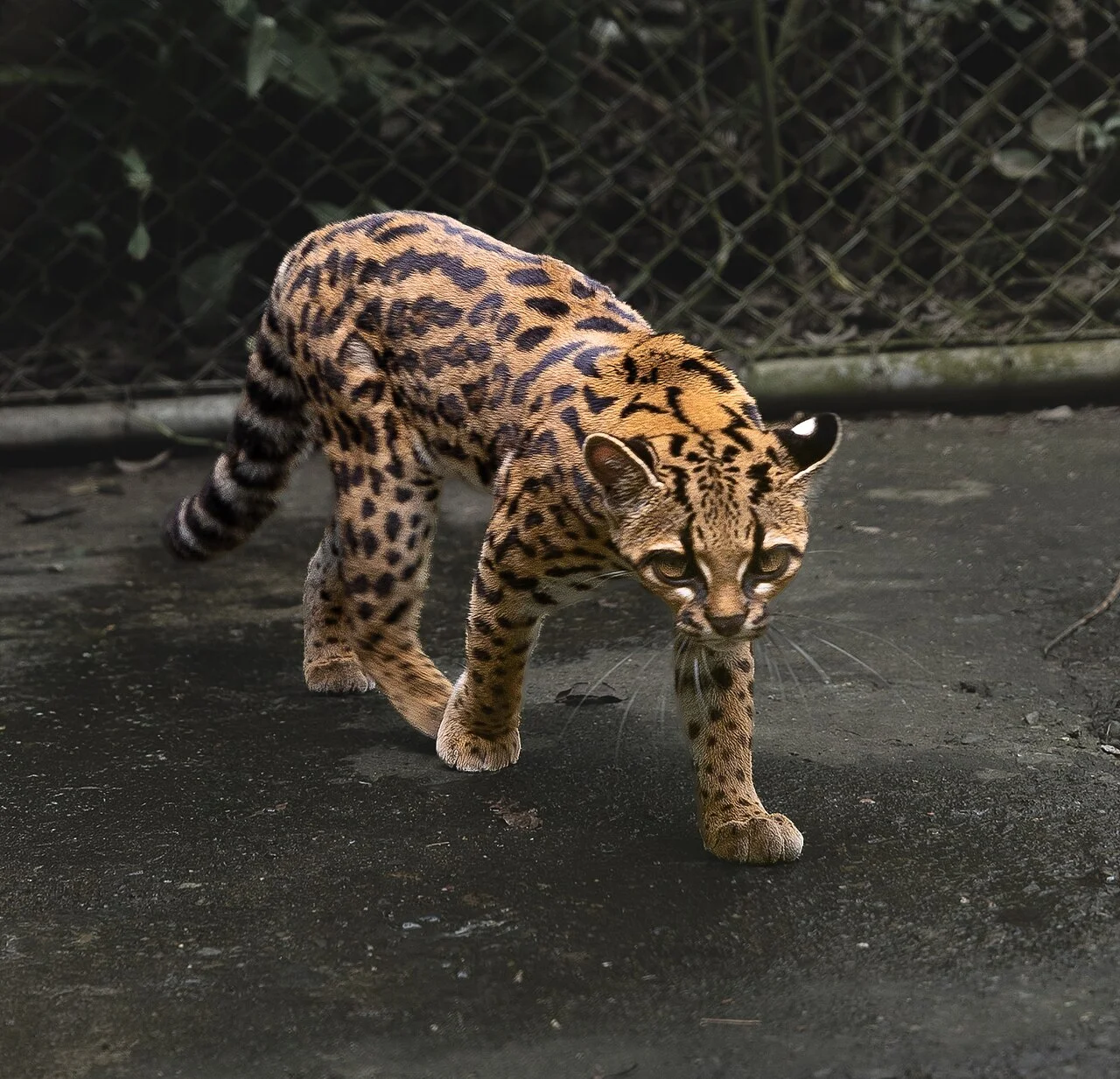
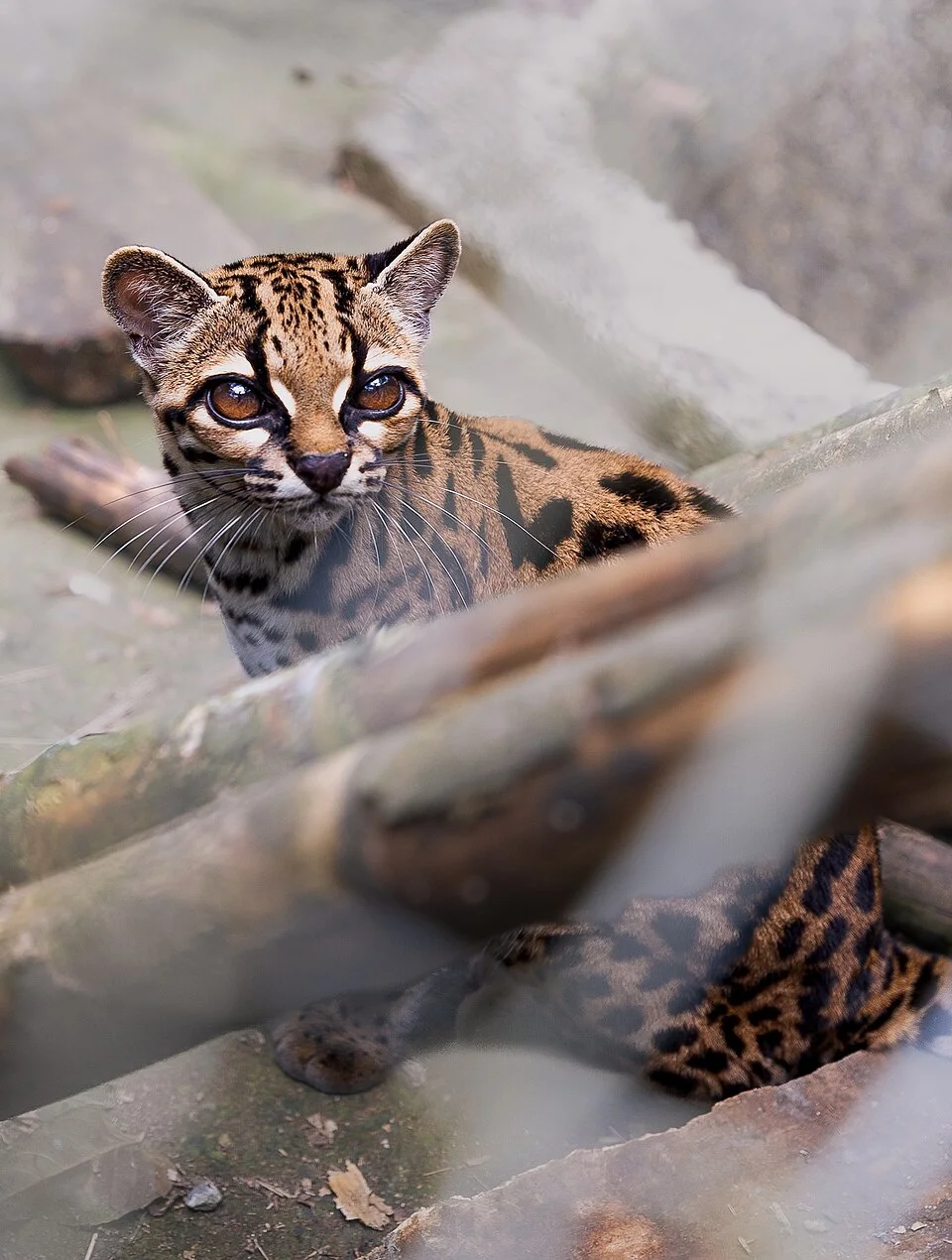
Source: Tilcayo tiger cat (Wikipedia)
Two articles:
Wikipedia said:The tilcayo (Leopardus tilcayo) is a species of small wild cat in the genus Leopardus. It is native to Bolivia, and represents the first cat species named since 1923.
It's a gorgeous animal, two photos:
Source: Tilcayo tiger cat (Wikipedia)
Two articles:
- See the first new species of cat discovered in more than a century—it’s adorable (Scientific American)
- New species of wild cat discovered in Bolivia’s cloud forest (BBC Wildlife)
Science Advisor
Gold Member
- 1,398
- 1,663
Huh???BillTre said:(Image removed)
This image is explicitly labeled "AI content" and ZeroGPT gives the response:
So what's the point of posting it?
Admin
- 69,794
- 25,651
Thanks @renormalize I thought it was pretty unbelievable, but that's why I "Like"ed it.renormalize said:This image is explicitly labeled "AI content" and ZeroGPT gives the response:
Science Advisor
Gold Member
- 2,857
- 12,732
Guess I missed that.renormalize said:Huh???
This image is explicitly labeled "AI content" and ZeroGPT gives the response:
View attachment 374563
So what's the point of posting it?
- 7,839
- 4,184
Just saw your reply, this is a little more interesting. If I understand the patent description correctly, what I need is a wavelength-dependent polarization ellipse azimuthal angle 'θ'. My magic book ("Ellipsometry and Polarized Light, Azzam and Bashara) has some information on how to do this; I think all I need is a 'bad' (large longitudinal chromatic aberration) retarder. I'll have to check this out!DaveE said:polychromatic polarizing microscopy is a bit more complex than conventional polarization microscopy (the one with crossed polarizers and a waveplate). In PPM, instead of a simple polarizer in front of the illumination they construct a different polarization state for each wavelength for the illumination. At least that's how I think it works, I'm certainly no expert. You can read about it in this patent.
https://patentimages.storage.googleapis.com/13/76/77/be4559922a6c31/US9625369.pdf