Discussion Overview
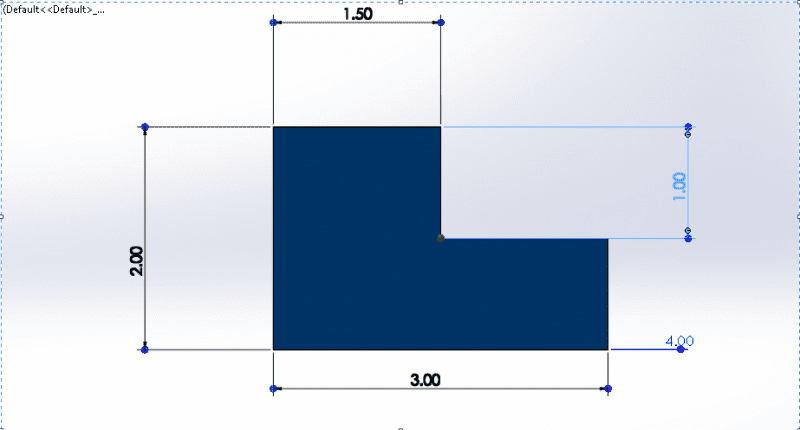
The discussion revolves around calculating the time required to build a part using rapid prototyping techniques, specifically focusing on the application of a formula related to 3D printing. Participants explore the implications of various parameters such as scanning speed, layer thickness, and part geometry on the overall build time.
Discussion Character
- Technical explanation
- Mathematical reasoning
- Homework-related
- Debate/contested
Main Points Raised
- One participant presents a formula for calculating the time to complete a layer, which includes variables for area, scanning speed, spot size, and delay time.
- Another participant explains how to apply units to the formula, suggesting that understanding the units clarifies the calculation process.
- Concerns are raised about the accuracy of manual calculations, noting that actual print times can vary significantly based on factors like part shape and infill density.
- Some participants suggest that for prismatic parts, the total time can be calculated by multiplying the number of layers by the time per layer, while non-prismatic parts may require more complex calculations.
- There is a discussion about the assumptions in the formula, such as infinite acceleration and 100% infill, which may lead to inaccurate results.
- One participant mentions that the question originated from an exam context, indicating a need for manual calculation despite the availability of software tools that can automate this process.
- Another participant suggests that choosing a better orientation for the part could lead to faster calculations and more efficient use of exam time.
Areas of Agreement / Disagreement
Participants express varying opinions on the accuracy and practicality of the formula provided, with some agreeing on the need for additional considerations in the calculations, while others emphasize the limitations of manual calculations compared to software solutions. The discussion remains unresolved regarding the best approach to calculate build time accurately.
Contextual Notes
Limitations include assumptions about part geometry, infill density, and the effects of acceleration on print head movement, which are not fully addressed in the formula. The discussion also highlights the variability in actual print times based on different factors.