jellydonut
- 2
- 0
Hey,
I've wondered about the reasoning behind, or rationale for, the angled big end attachment of the connecting rod in piston engines.
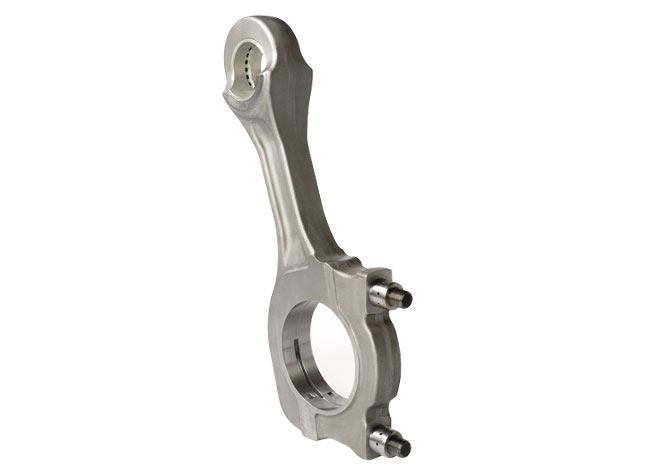
This is from a large Wärtsilä four-stroke marine diesel:
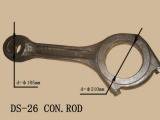
From a tiny Daihatsu marine diesel:
My first thought was that this was somehow advantageous due to the reciprocating forces, but that's me with my layman eyes.. It was suggested to me that the reason was much simpler: easy access because marine engines are maintained from the side, and not by removing the sump. This made sense and the matter settled.
Then I saw this:
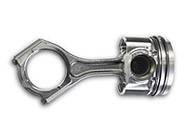
This is from the new Subaru boxer diesel. I suppose it could make sense that due to the engine shape they made them this way solely for maintenance access here as well, but I just want to ask anyway because this is like an itch I can't scratch.
Do they angle the attachment solely for practicality, or does it increase the lifespan of the con rods?
I've wondered about the reasoning behind, or rationale for, the angled big end attachment of the connecting rod in piston engines.
This is from a large Wärtsilä four-stroke marine diesel:
From a tiny Daihatsu marine diesel:
My first thought was that this was somehow advantageous due to the reciprocating forces, but that's me with my layman eyes.. It was suggested to me that the reason was much simpler: easy access because marine engines are maintained from the side, and not by removing the sump. This made sense and the matter settled.
Then I saw this:
This is from the new Subaru boxer diesel. I suppose it could make sense that due to the engine shape they made them this way solely for maintenance access here as well, but I just want to ask anyway because this is like an itch I can't scratch.
Do they angle the attachment solely for practicality, or does it increase the lifespan of the con rods?
