SUMMARY
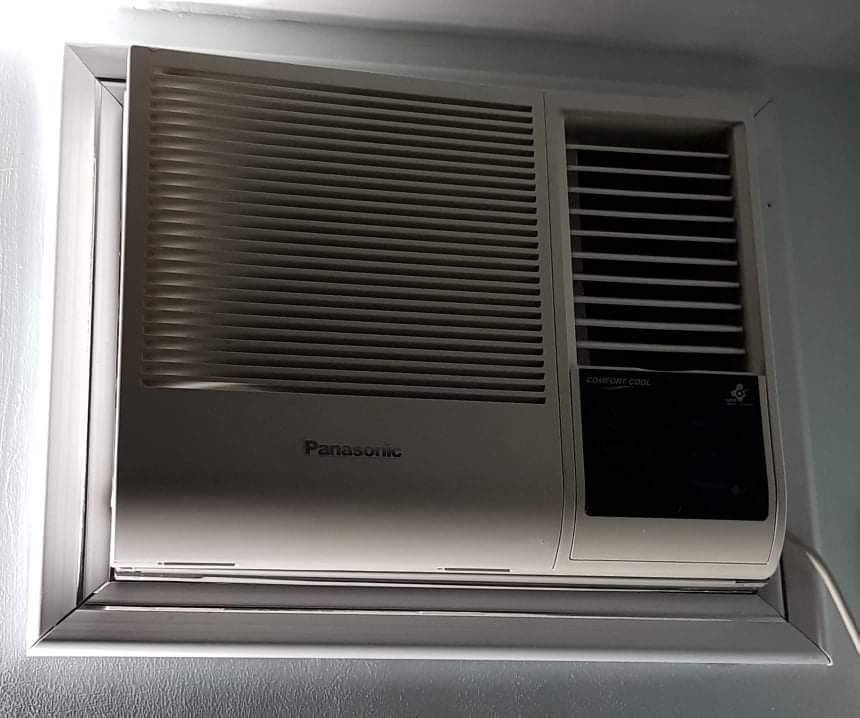
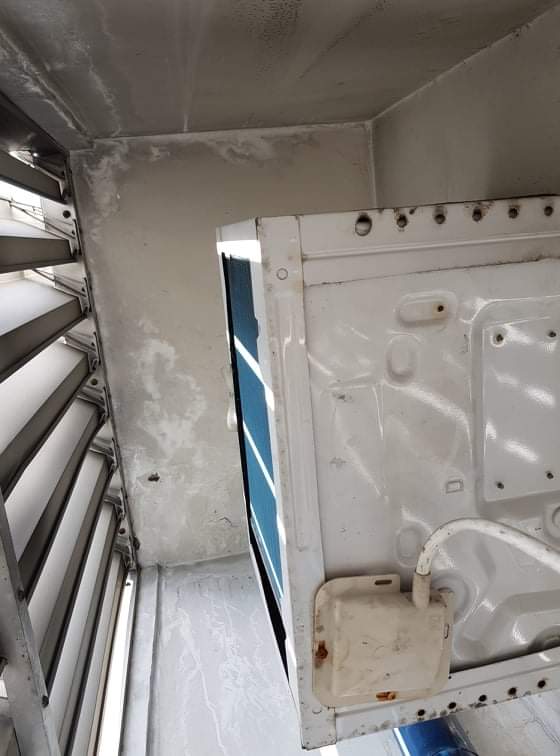
The discussion centers on the functionality of window-mounted air conditioners, specifically their ability to draw in outside air and particulates. Participants confirm that unless equipped with a "Recirculate" setting, these units primarily intake outside air, which can carry particulates like PM2.5. The conversation also highlights that many window AC models have separate airflow systems for external and internal air, and that the presence of gaps around the unit can lead to air infiltration. Additionally, the effectiveness of air conditioners in managing humidity levels is debated, with suggestions that standalone dehumidifiers may be more efficient for humidity control.
PREREQUISITES
- Understanding of window air conditioner mechanics and airflow systems
- Familiarity with particulate matter (PM2.5) and air quality monitoring
- Knowledge of humidity control methods and devices
- Awareness of air filtration technologies, including HEPA filters
NEXT STEPS
- Research the specifications and airflow systems of different window air conditioner models
- Learn about the impact of humidity on air quality and particulate behavior
- Investigate standalone dehumidifiers and their efficiency compared to air conditioners
- Explore air quality monitoring tools and their role in assessing indoor air pollution
USEFUL FOR
Homeowners, HVAC technicians, and anyone interested in improving indoor air quality and managing humidity levels effectively.