Does nature choose aesthetic colors?

  • Thread starter Thread starter Jarvis323
  • Start date Start date
  • Tags Tags
    Nature
Join the discussion
Ask a follow-up here, or get your own question answered by working scientists, mathematicians and engineers — people, not an autocomplete.
Real named experts · corrections over time · the nuance an AI answer skips
2 replies · 2K views
Jarvis323
Messages
1,247
Reaction score
988
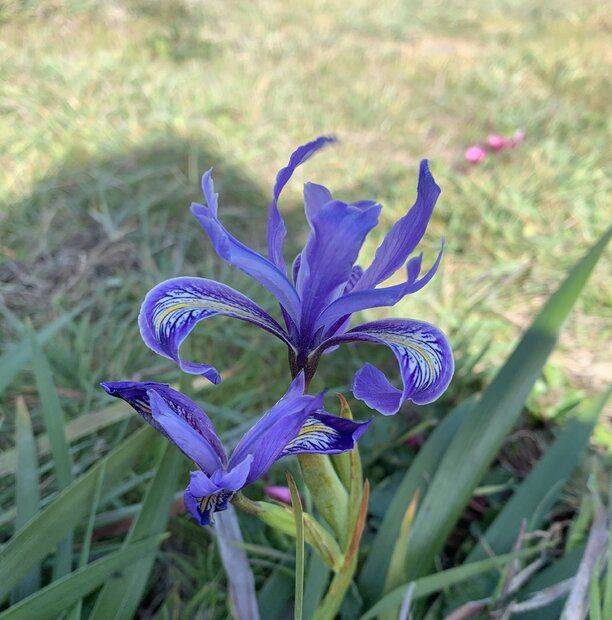
I guess the first question is whether it is true that things in nature have a tendency to use good color combinations. It seems to me to be true, when it comes to animals, insects, and flowers, for example.
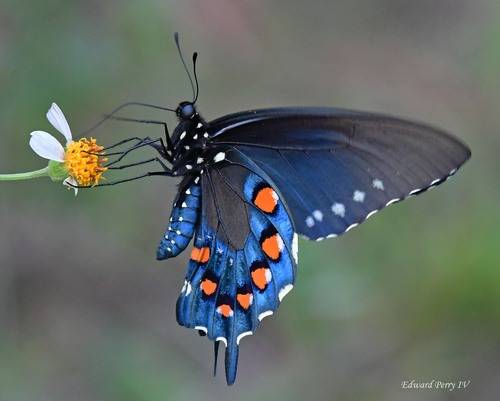
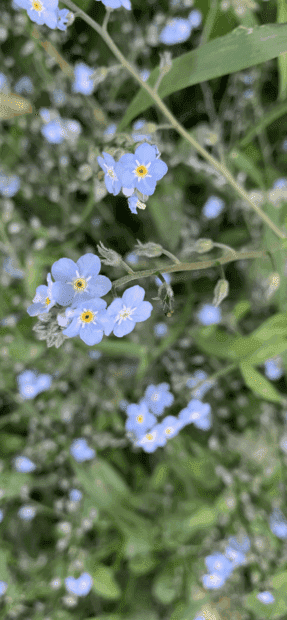
DF509085-F468-4C1E-B476-A722FF03E99A.jpeg


88C5E647-822A-439F-935F-EC8ACAFEB5C8.png


C6F2B50B-8D7A-4A70-AE0C-7955501C1782.jpeg


Supposing this is true, how/why does nature choose aesthetic colors? Is there a generalization of color aesthetic preferences across a large set of creatures? I guess contrast would be something that might generalize a lot. But there is also a lot of non-contrasting pastel colors in nature as well.

Or maybe we just pick out the nice ones. Are there many examples of flowers with bad color combinations?
 
Reply
  • Like
Likes   Reactions: pinball1970 and BillTre
Biology news on Phys.org
The aesthetics of colors is in the mind of the beholder.
And is based upon, among other things, on the visual system of the beholder.
Things would not look the same to someone who is color blind.
You are not seeing everything that other organisms might be seeing.

The adaptive values of particular color combinations will be more complex.
Naturally evolved colors of flowers often serve as guides or attractants for things that are involved in their pollination.
Your 2nd picture shows flowers with a bullseye-like target pattern. It may be further accentuated by pattern of reflected light in the near UV (bee purple, visible to bees). Reds are often for birds I think.
Concentric patterns trigger very common image extraction mechanisms in the brain, like center-surrounds and color that contrast based upon opponent color sets.
There are many mechanisms of vision processing shared among different species.

The bottom picture could be interpreted as the white laying down a path leading an insect to the pollen (nectar (sugary reward) from the insect's point of view).

Spots on animals can have different purposes.
Some are scary big eye spots to put off predators.
Some spots on fish anal fins are involved in courtship/breeding.
Not sure about the ones in the first picture, but they are quite contrasty with the darker background.

Thus, the fruits of evolution directed at birds, insects, or predators can be appreciated by humans.
 
Last edited:
Reply
  • Like
Likes   Reactions: pinball1970 and Jarvis323