SUMMARY
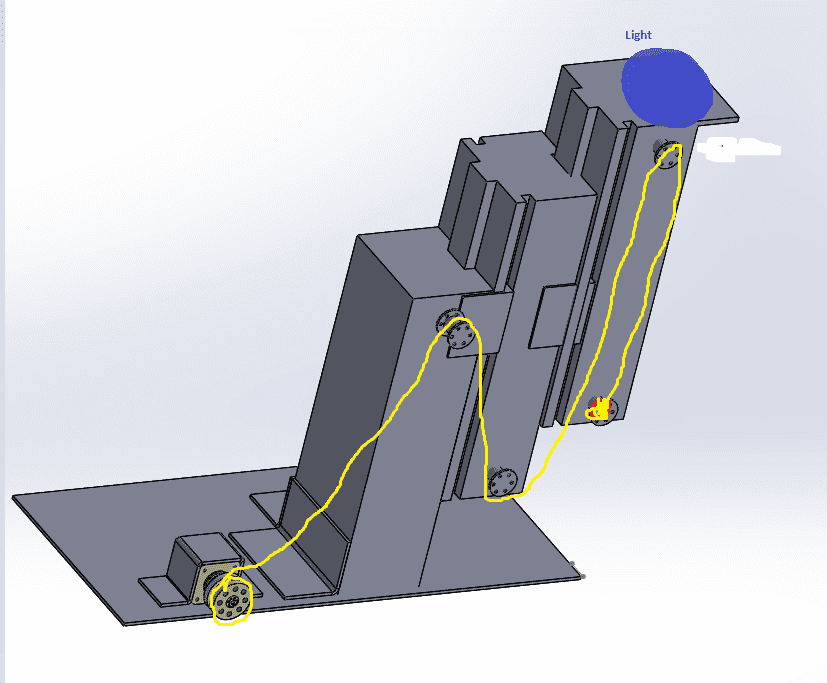
This discussion focuses on calculating the torque required for a linear telescopic system powered by a step motor. Key considerations include the design of the cable routing and the use of pulleys to minimize friction and stress on the mechanism. Participants emphasized the importance of a coaxial design to reduce bearing friction and suggested modifications to the original design to improve efficiency. Resources were shared for further understanding of real-life telescopic lifts and their torque requirements.
PREREQUISITES
- Understanding of torque calculations in mechanical systems
- Familiarity with CAD modeling for mechanical design
- Knowledge of pulley systems and their impact on friction
- Basic principles of mechanical advantage in telescopic mechanisms
NEXT STEPS
- Research "Calculating torque for step motors in mechanical systems"
- Learn about "Coaxial design principles to minimize friction"
- Study "Cable routing techniques in telescopic systems"
- Explore "Real-world examples of telescopic lift designs and torque requirements"
USEFUL FOR
Mechanical engineers, robotics enthusiasts, and students working on projects involving telescopic mechanisms and step motor applications.