sbrothy
Gold Member
- 1,896
- 1,548
I saw @fresh_42 's thread in "Art, History and Linguistics" about how to use the "w" in "www" and wanted to add this little other trick to it (after I was done giggling about the broken English joke) but it's of course closed for replies. I know it may seem obvious but Google Translate is usually of little help here:
Here's a little, extremely simple trick that I guess anyone will instantly think of if the situation occurs: if I know the name of a plant, animal or organism in one language, say "Skarntyde" in Danish. I can look it up on Danish Wikipedia and it, of course, will tell me it's latin name: "Conium maculátum". Another quick lookup on the English Wiki page will tell me that this is poison Hemlock.
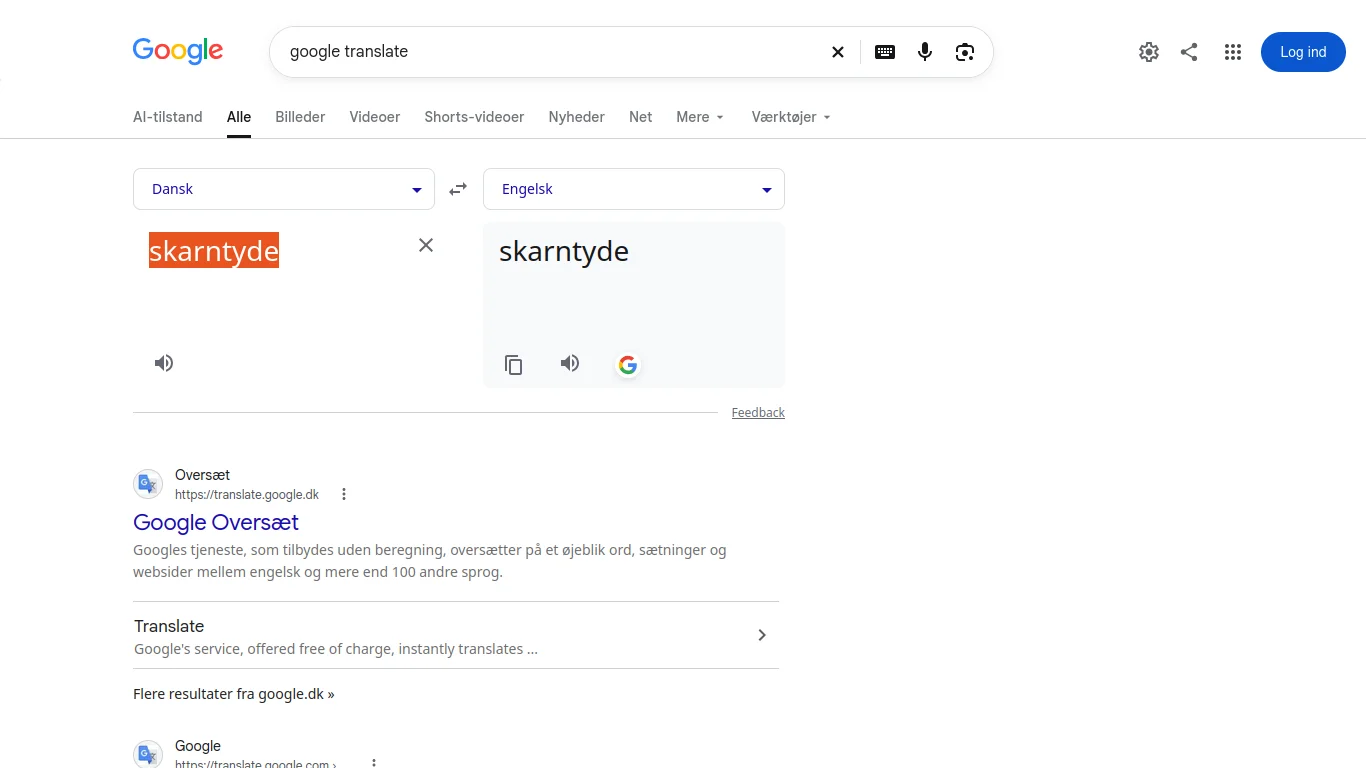
(or perhaps people thinking they're smarter than me will simply use Google Translate. Unfortunately Google Translate will translate "Skarntyde" as "Skarntyde" - at least where I'm at - and you're no further):
Here's a little, extremely simple trick that I guess anyone will instantly think of if the situation occurs: if I know the name of a plant, animal or organism in one language, say "Skarntyde" in Danish. I can look it up on Danish Wikipedia and it, of course, will tell me it's latin name: "Conium maculátum". Another quick lookup on the English Wiki page will tell me that this is poison Hemlock.
(or perhaps people thinking they're smarter than me will simply use Google Translate. Unfortunately Google Translate will translate "Skarntyde" as "Skarntyde" - at least where I'm at - and you're no further):
