vizakenjack
- 57
- 4
< Mentor Note -- Post edited >[/color]
1. Homework Statement
So do you know how a microwave has air vents on the side?
How much of a distance must be allowed between the vent and the side of refrigerator in order for the Microwave not to overheat?
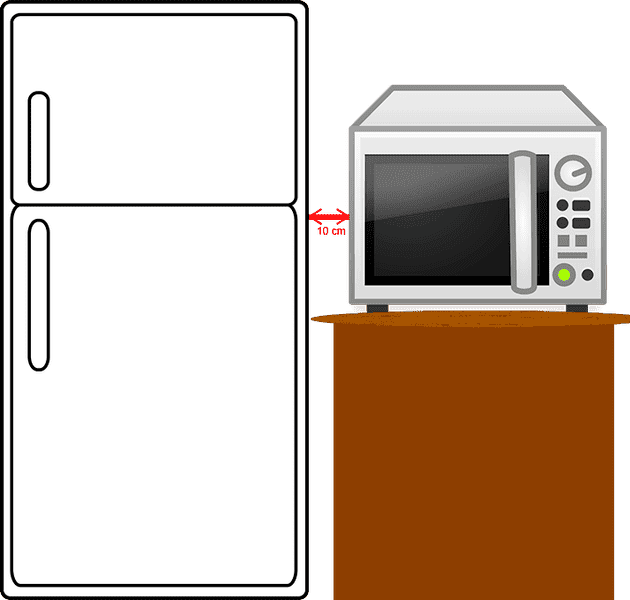
Is 10 cm enough? Would putting an aluminum foil on the side of the fridge help? Like it'd absorb whatever radiation(?) waves from the vent, and not let the side of the fridge overheat... or not let the microwave get its waves waved back... so it'd overheat... or like waves must not be obstructed, because then they superimpose on each other and it'll block other waves coming out from the vent and then the mw would overheat rapidly...?
It's just right now the MW seems to get hot on the right side (opposite side of the vent), when I touch it at the bottom, and on top.
I have no idea. Like, does only the air come out from the vents? How about electric/magnetic fields?
Suppose it's a 800W microwave. Uhm... Dunno what to say next.
1. Homework Statement
So do you know how a microwave has air vents on the side?
How much of a distance must be allowed between the vent and the side of refrigerator in order for the Microwave not to overheat?
Is 10 cm enough? Would putting an aluminum foil on the side of the fridge help? Like it'd absorb whatever radiation(?) waves from the vent, and not let the side of the fridge overheat... or not let the microwave get its waves waved back... so it'd overheat... or like waves must not be obstructed, because then they superimpose on each other and it'll block other waves coming out from the vent and then the mw would overheat rapidly...?
It's just right now the MW seems to get hot on the right side (opposite side of the vent), when I touch it at the bottom, and on top.
Homework Equations
I have no idea. Like, does only the air come out from the vents? How about electric/magnetic fields?
The Attempt at a Solution
Suppose it's a 800W microwave. Uhm... Dunno what to say next.
Last edited by a moderator: