Neutrophil nanosponges soak up proteins, reducing arthritis

Click For Summary
SUMMARY

Neutrophil nanosponges are engineered to intercept inflammatory cytokines, effectively reducing the inflammatory response associated with rheumatoid arthritis. This innovative approach targets the cascade of cytokine signaling that attracts neutrophils to the joints, thereby mitigating inflammation and preventing joint damage. The technology demonstrates significant potential for broader applications in medical treatments beyond arthritis.

PREREQUISITES
  • Understanding of cytokine signaling in immune responses
  • Knowledge of rheumatoid arthritis pathology
  • Familiarity with nanotechnology applications in medicine
  • Experience with transmission electron microscopy techniques
NEXT STEPS
  • Research the role of cytokines in autoimmune diseases
  • Explore advancements in nanotechnology for drug delivery systems
  • Investigate the use of nanosponges in other inflammatory conditions
  • Learn about transmission electron microscopy for biological imaging
USEFUL FOR

Medical researchers, immunologists, and professionals in nanotechnology seeking to understand innovative treatments for autoimmune diseases and inflammation management.

Wrichik Basu
Science Advisor
Insights Author
Gold Member
Messages
2,180
Reaction score
2,691
Have a look at the article here.

From the article:
Neutrophils are among the immune system's first responders against invading pathogens. They are also known to play a role in the development of rheumatoid arthritis, a chronic autoimmune disease that causes painful inflammation in the joints and can ultimately lead to damage of cartilage and bone tissue.

When rheumatoid arthritis develops, cells in the joints produce inflammatory proteins called cytokines. Release of cytokines signals neutrophils to enter the joints. Once there, cytokines bind to receptors on the neutrophil surfaces, activating them to release more cytokines, which in turn draws more neutrophils to the joints and so on.

The nanosponges essentially nip this inflammatory cascade in the bud. By acting as tiny neutrophil decoys, they intercept cytokines and stop them from signaling even more neutrophils to the joints, reducing inflammation and joint damage.

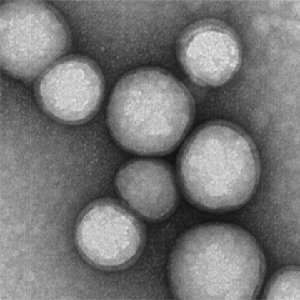
neutrophilna.jpg

Transmission electron microscopy of neutrophil nanosponges. Credit: Qiangzhe Zhang/Nature Nanotechnology
 

Attachments

  • neutrophilna.jpg
    neutrophilna.jpg
    9.6 KB · Views: 655
  • Like
Likes   Reactions: Greg Bernhardt and Drakkith
Biology news on Phys.org
This is an interesting article! It is fascinating to learn about how nanosponges are being used to reduce inflammation and joint damage in rheumatoid arthritis. It makes me wonder what other applications this technology could have in the medical field.
 

Similar threads

  • · Replies 1 ·
Replies
1
Views
2K
Replies
1
Views
4K