Andy Resnick said:
I don't think a full-frame format is required,
no it's not required, but if you are going to use a wide angle lens for say, Milky Way shots, you get better field of view with a FF compared to a crop sensor
for example, the Canon crop sensors have a crop factor of x1.6 so your 14mm wide angle lens will on a crop sensor will be 22.4 mm
In general the FF sensors have a better dynamic range than the crop sensors tho that gap is now growing smaller with some of the new cameras
and more importantly a better high ISO performance ( again, not wildly different but in really low light situations like astrophotography it all counts
The progression goes 7D-5D2-
7D2-1D4-5D3-6D-1DX with about a 2 to 2 1/3 stop expanse covering these bodies. The bodies in bold only have perhaps a 3/4 stop difference.
and here's the killer, I didn't recommend the camera I use ( the Canon 5D3 ( 5D Mk3)) instead I recommended the 6D.
1) its around $1000 cheaper than my 5D3
2) its lighter ... really important for hanging off a telescope or on a camera tracking mount
3) it has better noise control at high ISO than my much more expensive and heavier 5D3
The 6D will outperform any Nikon except for the expensive 36MP D810
My 5D3 has features and other performance that the 6D doesn't have and hence I was happy to spend the extra money
The only time I would usually recommend a crop sensor camera like the Canon 7D Mk2 is for some one doing wildlife shooting
then that x1.6 crop factor on telephoto lenses is an advantage and that would also apply to deep space objects EXCEPT that it isn't as good in the high ISO so hence my 6D FF recommendation
The other recommendation would be the Sony A7 r mk2 but again getting into a higher price bracket
Sony make an outstanding CMOS sensor chip, pretty much the best out there ... and Nikon have recognised that and use it in their D810 and a couple of other higher end models.
Canon just isn't up with that yet, rather they have put more emphasis on excellent glass ( lenses)Dave
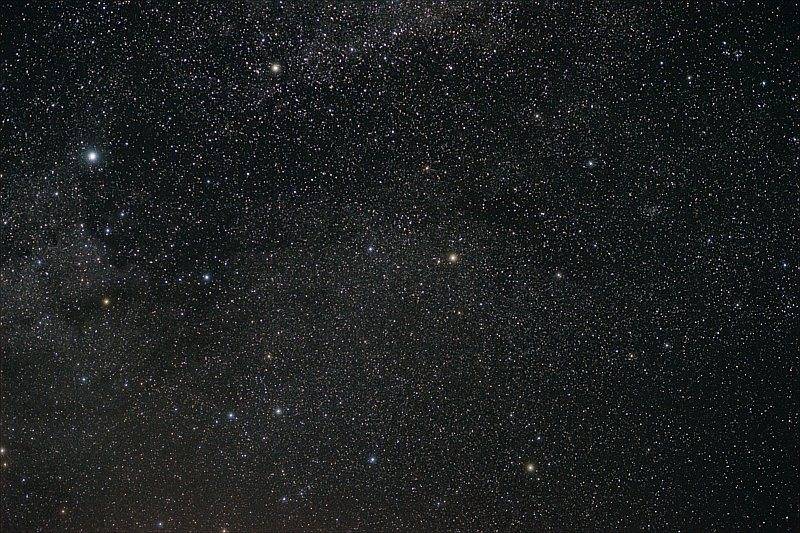
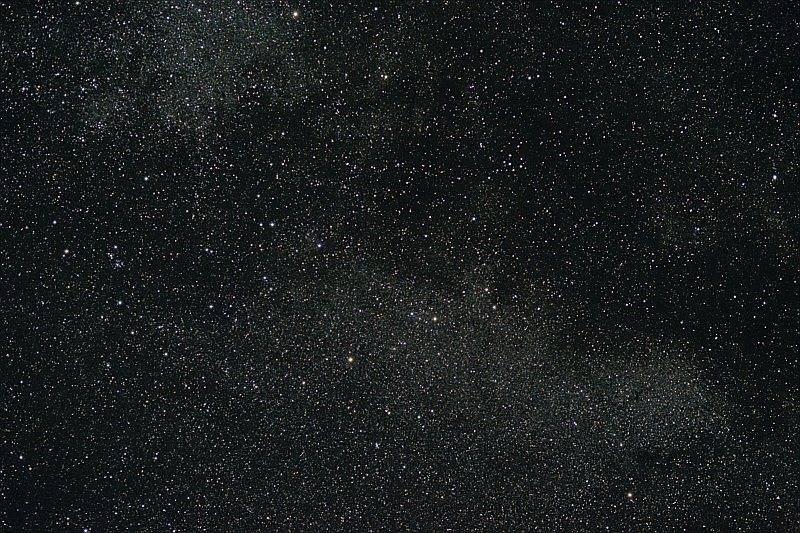
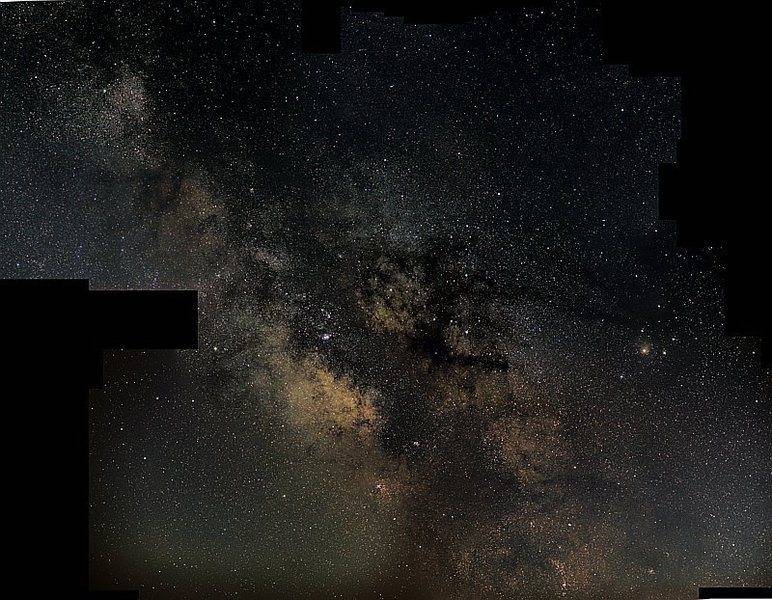
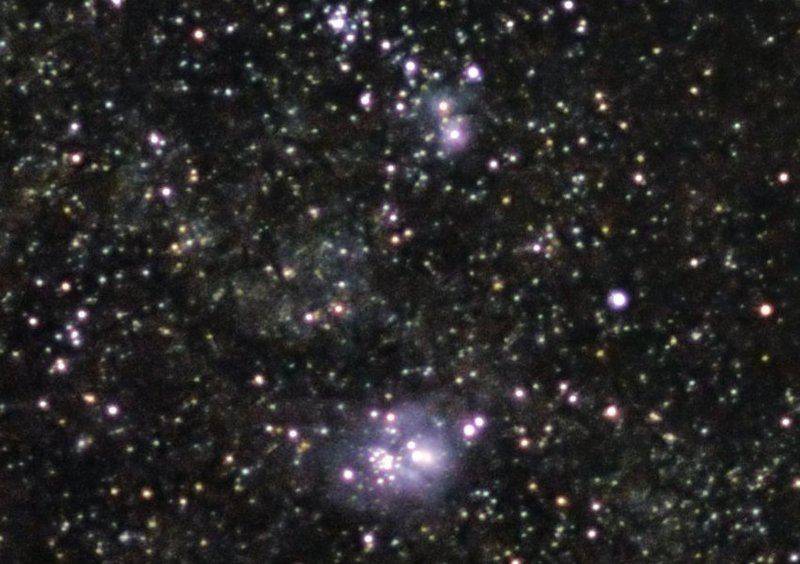
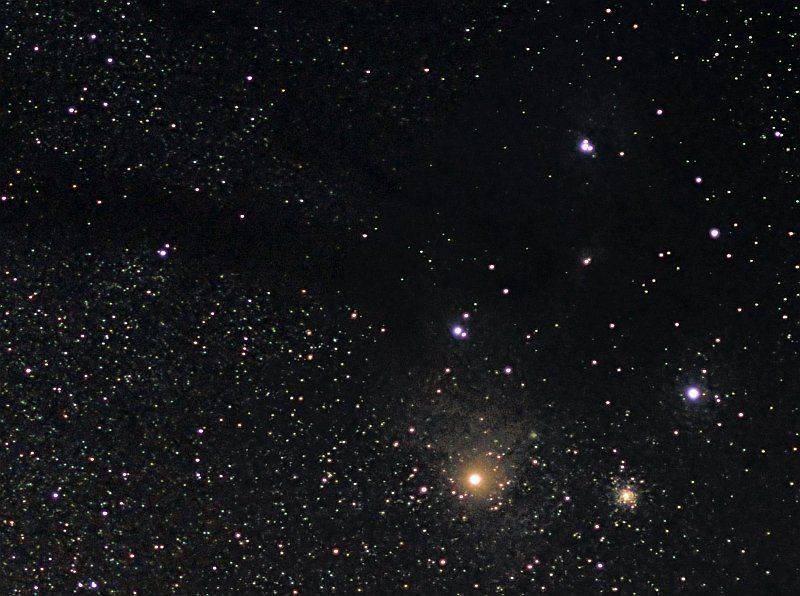 Unfortunately, I have to wait until next year before I can fill in those gaps...
 the camera doesn't have to be exotic ... any dSLR will do