Discussion Overview
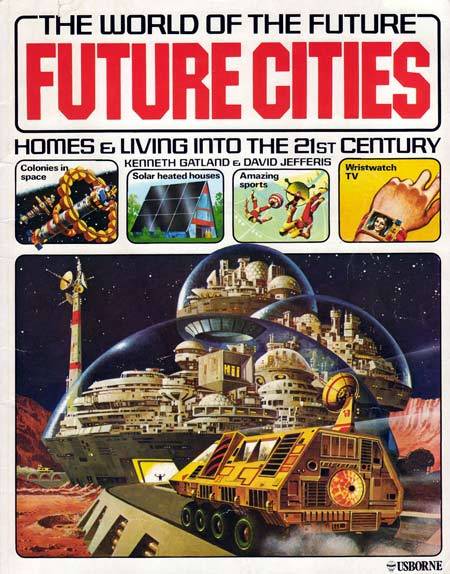
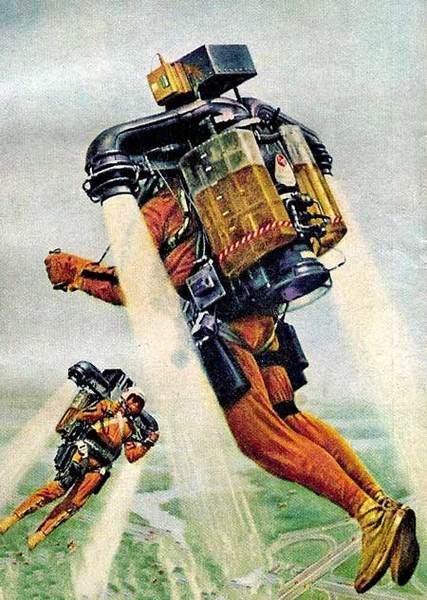
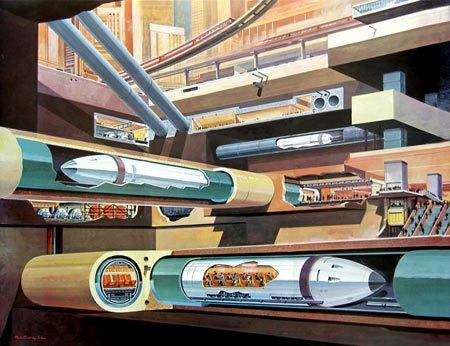
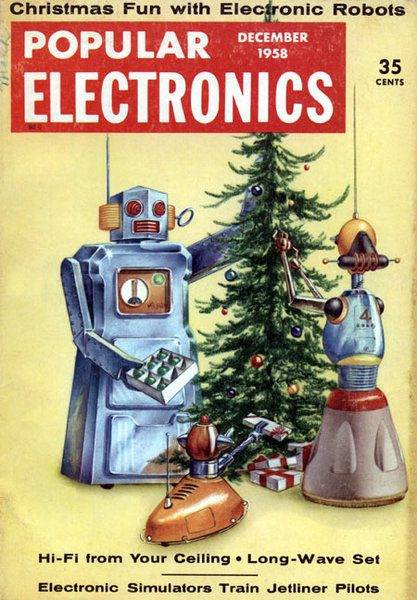
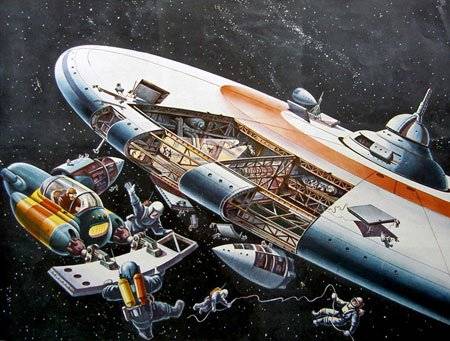
The discussion revolves around the visions of the future presented in mid-20th century science magazines and why many of those predictions did not materialize by the 21st century. Participants explore various concepts such as flying cars, robots, and space colonization, examining the feasibility and societal interest in these ideas.
Discussion Character
- Exploratory
- Debate/contested
- Conceptual clarification
Main Points Raised
- Some participants wonder if people in the past genuinely believed in the futuristic visions depicted in magazines.
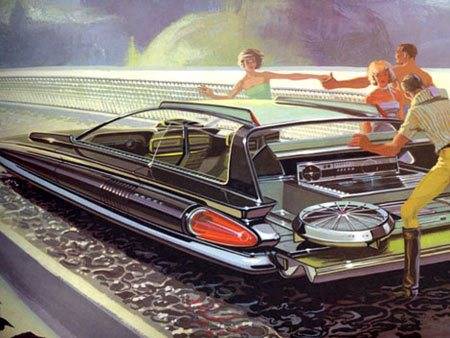
- Flying cars are mentioned as a notable example of a failed prediction, with some arguing that the technology is still possible in the distant future.
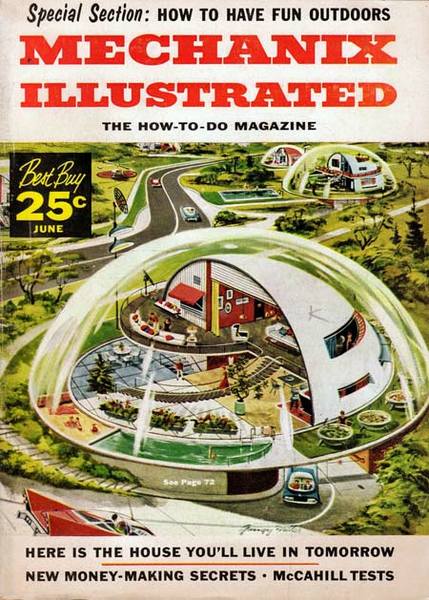
- There is a distinction made between ideas that have been realized (like solar power) and those deemed impractical or unnecessary (like flying cars and bubble houses).
- Concerns are raised about the feasibility of robots, with some participants noting that while certain robotic technologies exist, they do not match the expectations set by past visions.
- Historical predictions about the future, such as those made by HG Wells, are discussed, with participants questioning the accuracy of such forecasts.
- Some participants express skepticism about the societal interest in space colonization, suggesting that practical reasons for such endeavors are lacking.
- There is a discussion about the impact of automation on jobs, with differing views on whether it will lead to significant job loss or not.
Areas of Agreement / Disagreement
Participants express a range of views, with no clear consensus on the feasibility of past predictions or the future of technologies like flying cars and robots. Some agree on the impracticality of certain ideas, while others maintain that advancements could still occur.
Contextual Notes
Participants highlight limitations in past predictions, including technological challenges and changing societal interests. The discussion reflects a variety of assumptions about the future and the role of innovation.