An Alternate to the Siberian Traps

Click For Summary
SUMMARY

The discussion centers on the geological and ecological implications of the Siberian Traps, particularly focusing on the flood basalt eruptions that occurred from 60 to 43 million years ago. These eruptions covered an area of approximately eleven million square miles and produced a volume of four million cubic miles of basalt. The conversation also touches on the potential changes in the Russian landscape due to 40 million years of erosion, speculating on the variety of habitats that may have emerged. Additionally, the author is developing an alternate history textbook titled "Alternate Siberian Traps," which aims to explore the cause and effect of these geological events.

PREREQUISITES
  • Understanding of geological time scales and processes
  • Familiarity with flood basalt eruptions and their ecological impacts
  • Knowledge of the Siberian Traps and their historical significance
  • Basic concepts of alternate history writing and storytelling
NEXT STEPS
  • Research the geological characteristics of flood basalt provinces
  • Study the ecological consequences of the Siberian Traps on global biodiversity
  • Explore alternate history narrative techniques and frameworks
  • Investigate the effects of long-term erosion on geological formations
USEFUL FOR

Geologists, ecologists, writers of alternate history, and anyone interested in the impact of geological events on landscape and biodiversity.

JohnWDailey
Messages
34
Reaction score
1
Back home, the catalyst for the worst biotic catastrophe in the world, the Siberian Traps, don't have much left. 252 million years of erosion have reduced the igneous province to a pale shadow of its former self.

From 60 to 43 million years ago (not 252), a series of flood basalt eruptions plagued the northern hemisphere, covering an estimated original area of eleven million square miles and a volume of four million cubic miles.
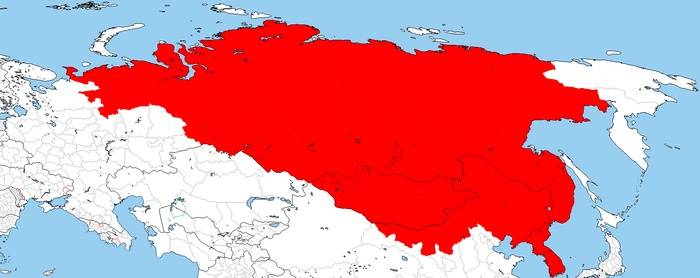
NWlj880.jpg


40 million years of erosion would mean an altogether different Russian landscape, no doubt, but to what extent? Would we still see vast, singular bands of boreal forests and steppes, or would we expect to see Russia hosting a wider variety of habitats?
 
Physics news on Phys.org
JohnWDailey said:
Back home, the catalyst for the worst biotic catastrophe in the world, the Siberian Traps, don't have much left. 252 million years of erosion have reduced the igneous province to a pale shadow of its former self.

From 60 to 43 million years ago (not 252), a series of flood basalt eruptions plagued the northern hemisphere, covering an estimated original area of eleven million square miles and a volume of four million cubic miles.

NWlj880.jpg


40 million years of erosion would mean an altogether different Russian landscape, no doubt, but to what extent? Would we still see vast, singular bands of boreal forests and steppes, or would we expect to see Russia hosting a wider variety of habitats?
What is the book you are writing? Please tell us about it.
 
Evo said:
What is the book you are writing? Please tell us about it.

Is it necessary to quote the whole thread?

It's for an alternate history textbook, but I won't focus on polishing the history until I have the Cause & Effect verified. I've created the Cause, but I don't know the Effect.

Also, the title is "Alternate Siberian Traps", not "Alternate to the Siberian Traps". This unnecessary addition implies that it is inspired by something else and, considering its location, it is redundant.
 
I was just interested in what your story was about.
 
If that is all, then it is an alternate history textbook meant to be a blueprint to stories set in that world (in the same vein that our myths and fairy tales are set in our world.)

Do you know the answer to the provided question?
 

Similar threads

  • · Replies 6 ·
Replies
6
Views
4K
  • · Replies 2 ·
Replies
2
Views
4K
  • · Replies 1 ·
Replies
1
Views
4K