SUMMARY
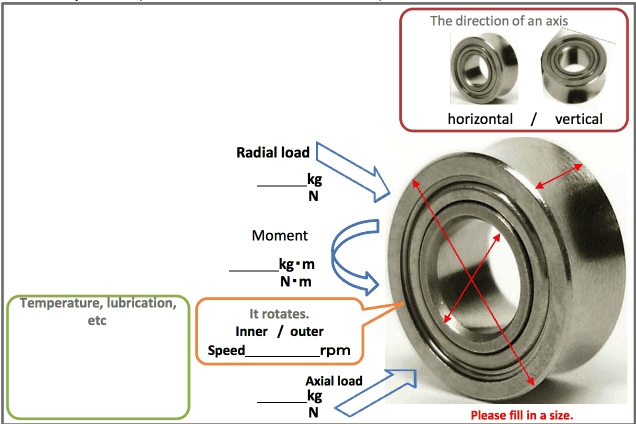
This discussion focuses on determining load ratings for deep groove roller bearings used in roller skates. The proposed calculation involves a static load of 100kg multiplied by 9.8 m/s², divided by 4, accounting for two bearings per wheel and potential landing impacts. The axial load is estimated to be 25% of the radial load rating. Additionally, participants emphasize the importance of considering significant shock loading during jumps and hard landings, which can greatly exceed static load values.
PREREQUISITES
- Understanding of load calculations in mechanical engineering
- Familiarity with deep groove roller bearings specifications
- Knowledge of static vs. dynamic load concepts
- Basic physics principles, particularly relating to forces and acceleration
NEXT STEPS
- Research load rating standards for deep groove roller bearings
- Explore shock loading effects on roller skate components
- Learn about material selection for bearings in high-impact applications
- Investigate dynamic load calculations for roller skate design
USEFUL FOR
Engineers, product designers, and hobbyists involved in roller skate or skateboard manufacturing, particularly those focused on optimizing performance and durability under load conditions.