- 1,098
- 1,385
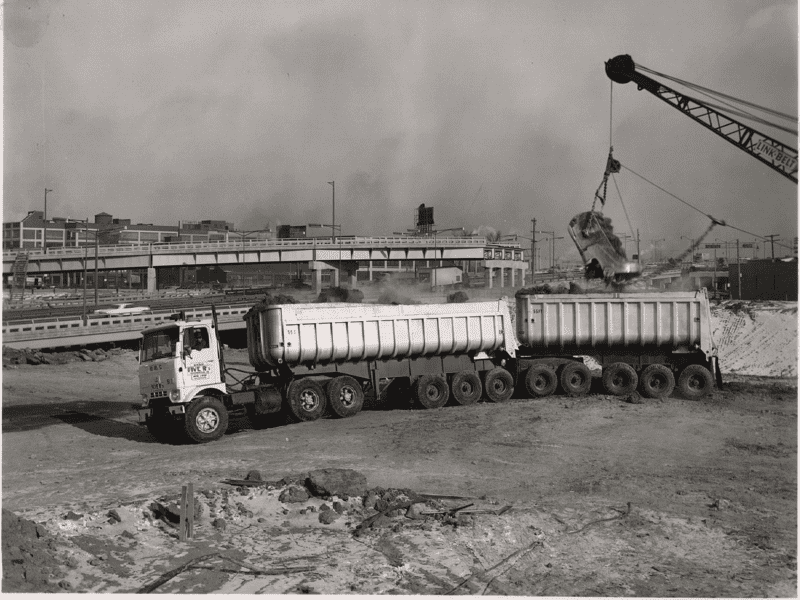
7. Fruehauf Super Dump
The super dump has a load-bearing axle rated at as high as 13,000 pounds. The large distance between the first and last axles is in fact the maximum allowed under the federal bridge formula. Developed by Strong Industries, the super dump is renowned for its high payload rating and return on investment.
6. Liebherr A314 Litronic Excavator
The Liebherr A314 is a medium sized machine with a bucket capacity of 0.5 cubic metres. It's Deutz engine can provide up to 120 horse power, making it a formidable digging machine.

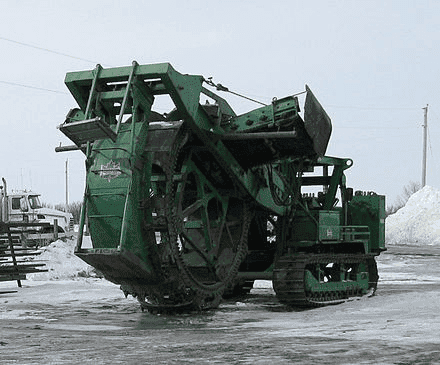
5. Barber-Greene Trencher
The Barber-Greene trencher is used to dig trenches, for laying pipes and electrical cables, installing drainage or preparing for trench warfare. This particular model is a wheel trencher, composed of a toothed metal wheel which can operate in hard or soft, heterogenous or homgenous, soils.
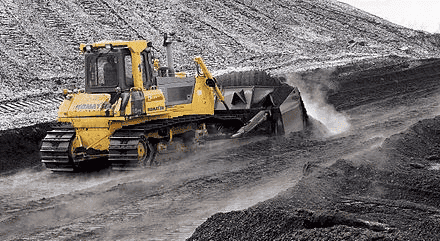
4. Komatsu Bulldozer
Ranging from 8 to 108 tonnes, Komatsu bulldozers employ the latest in bulldozer technology to give great performance over the entire working cycle. A commendable blade size of 3.2 x 0.84 square metres coupled with a blade capacity of 1.91 - 2.13 cubic metres enable the Komatsu to effortlessly shift material.
3. Fiskars Long-Handle Round-Point Steel Digging Shovel
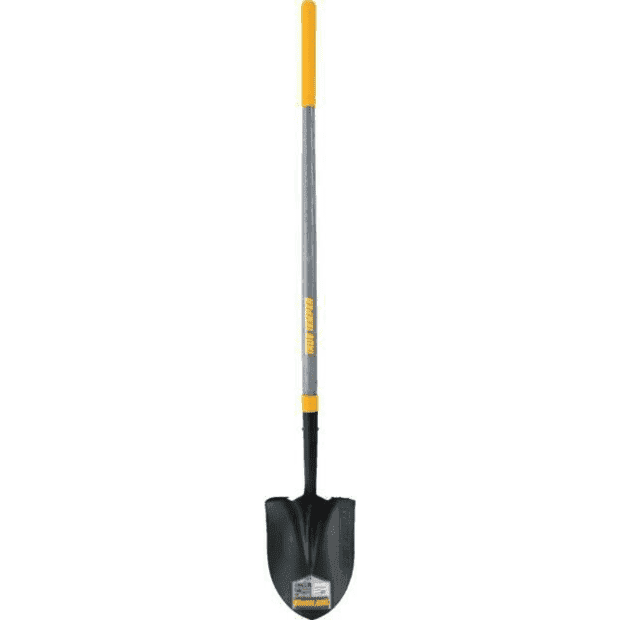
The Fiskars digging shovel has a strong hardwood handle with a rubber cushion grip and a 16-gauge steel blade. This particular shovel was designed for digging holes, and its size #2 head and sturdy build makes it an optimal tool for moving bulk materials such as soil, coal, gravel, snow, sand or ore.
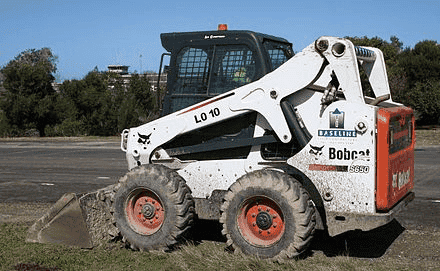
2. Bobcat S650 Skid Steer Loader
Unlike a conventional front loader, the pivot points in the Bobcat are behind the driver. Equipped with a standard turbocharged engine, this machine is capable of carrying out several digging and grading operations, as well as being highly efficient in pushing material from one location to another, carrying material in the bucket and loading material into a truck or trailer.
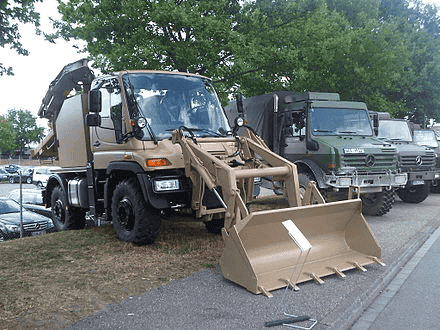
1. Unimog Backhoe Loader
The Unimog can be used for construction, demolitions, and digging holes. A tiltrotator can be fitted to the Unimog for enhanced articulation of attachments. The front loader is rated at .75 cubic yards, whilst the backhoe can dig up to 14' deep and has a break force of 10,000 lbs.
The super dump has a load-bearing axle rated at as high as 13,000 pounds. The large distance between the first and last axles is in fact the maximum allowed under the federal bridge formula. Developed by Strong Industries, the super dump is renowned for its high payload rating and return on investment.
6. Liebherr A314 Litronic Excavator
The Liebherr A314 is a medium sized machine with a bucket capacity of 0.5 cubic metres. It's Deutz engine can provide up to 120 horse power, making it a formidable digging machine.
5. Barber-Greene Trencher
The Barber-Greene trencher is used to dig trenches, for laying pipes and electrical cables, installing drainage or preparing for trench warfare. This particular model is a wheel trencher, composed of a toothed metal wheel which can operate in hard or soft, heterogenous or homgenous, soils.
4. Komatsu Bulldozer
Ranging from 8 to 108 tonnes, Komatsu bulldozers employ the latest in bulldozer technology to give great performance over the entire working cycle. A commendable blade size of 3.2 x 0.84 square metres coupled with a blade capacity of 1.91 - 2.13 cubic metres enable the Komatsu to effortlessly shift material.
3. Fiskars Long-Handle Round-Point Steel Digging Shovel
The Fiskars digging shovel has a strong hardwood handle with a rubber cushion grip and a 16-gauge steel blade. This particular shovel was designed for digging holes, and its size #2 head and sturdy build makes it an optimal tool for moving bulk materials such as soil, coal, gravel, snow, sand or ore.
2. Bobcat S650 Skid Steer Loader
Unlike a conventional front loader, the pivot points in the Bobcat are behind the driver. Equipped with a standard turbocharged engine, this machine is capable of carrying out several digging and grading operations, as well as being highly efficient in pushing material from one location to another, carrying material in the bucket and loading material into a truck or trailer.
1. Unimog Backhoe Loader
The Unimog can be used for construction, demolitions, and digging holes. A tiltrotator can be fitted to the Unimog for enhanced articulation of attachments. The front loader is rated at .75 cubic yards, whilst the backhoe can dig up to 14' deep and has a break force of 10,000 lbs.
 The finest in jobsite furniture
