SUMMARY
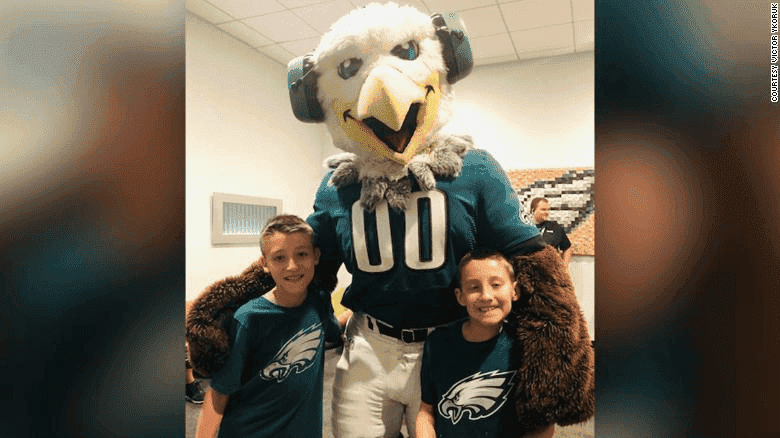
The discussion centers on the implementation of sensory rooms in public venues to assist autistic children and their families. Notable examples include the Philadelphia Eagles stadium and various airports, which have adopted sensory-friendly spaces to enhance the experience for individuals with autism. This trend aims to make public events more accessible and enjoyable for families, potentially broadening their participation in social activities.
PREREQUISITES
- Understanding of autism spectrum disorder (ASD) and its sensory processing challenges.
- Familiarity with sensory-friendly design principles in public spaces.
- Knowledge of current trends in inclusive public event planning.
- Awareness of existing sensory room implementations in venues like stadiums and airports.
NEXT STEPS
- Research the design and effectiveness of sensory rooms in public venues.
- Explore case studies of airports implementing sensory-friendly spaces.
- Investigate the impact of sensory accommodations on family participation in public events.
- Learn about best practices for creating inclusive environments for individuals with autism.
USEFUL FOR
This discussion is beneficial for event planners, public venue managers, autism advocates, and families seeking to understand how sensory accommodations can improve public experiences for autistic individuals.