Solving the Tangram Puzzle Geometrically (No Constructions)

  • Context: MHB 
  • Thread starter Thread starter squigley5
  • Start date Start date
  • Tags Tags
    Puzzle
Click For Summary

Discussion Overview

The discussion revolves around solving the Tangram puzzle geometrically without using any constructions. Participants are tasked with determining the dimensions and angles of various geometric pieces based on given properties of triangles and squares, while adhering to specific constraints regarding midpoint assumptions and constructions.

Discussion Character

  • Technical explanation
  • Mathematical reasoning
  • Homework-related

Main Points Raised

  • One participant expresses difficulty in justifying lengths geometrically without using midpoint constructions, despite having determined all lengths and angles.
  • The participant lists the properties of the geometric figures involved, including congruence of triangles and the characteristics of squares and parallelograms.
  • Another participant provides a detailed breakdown of their reasoning for the dimensions and angles of the triangles, using properties of congruence and the Pythagorean theorem.
  • There is a mention of a midpoint construction that was previously used to determine lengths, which is now problematic due to the constraints set by the graders.
  • Participants discuss the relationships between angles in the triangles, noting that certain angles must sum to 180 degrees and that isosceles triangles have equal angles.
  • Some calculations are presented, including the area of triangles based on their dimensions, but the reliance on midpoint assumptions is highlighted as a point of contention.

Areas of Agreement / Disagreement

Participants do not reach a consensus on how to proceed without using midpoint constructions. There are competing views on the justification of lengths and angles, and the discussion remains unresolved regarding the best approach to meet the task requirements.

Contextual Notes

The discussion highlights limitations related to the prohibition of midpoint assumptions, which affects the ability to justify certain lengths and angles. The reliance on visual observation and congruence definitions is emphasized, but the lack of midpoint constructions creates challenges in the reasoning process.

squigley5
Messages
6
Reaction score
0
I have looked at the threads posted by others who were working on what seems to be the same task. I have correctly determined all the lengths and angles as the task requires, however am struggling to justify the lengths geometrically, without constructing any midpoints or additional constructions. I was told by the graders that I could not use any constructions, it has to be done with logic. What am I missing or doing wrong?

Here is the task:

Given:
● AFJ and JFK are large, congruent right isosceles triangles.
● EFH and ABD are small, congruent right isosceles triangles.
● BCG is a right isosceles triangle.
● BEFD is a square.
● EGKH is a parallelogram.
● ACKJ is a square with dimensions of 1 unit by 1 unit (i.e., the entire area of the square is 1 unit2).

Note: The right angle for each triangle can be determined by inspection. All line segments that appear straight are straight (e.g., JE ̅̅̅ is straight, with no bend at F).

There are no gaps or overlapping figures.

Requirements:
A. Determine the dimensions and area of each of the seven individual pieces from the square arrangement in Figure 1. (rearranging the pieces is not allowed).
1. Explain with full geometric justification, how you determined the dimensions of each piece.

Note: You cannot make midpoint assumptions (e.g., B is the midpoint between A and C).

B. Determine the angle measures of each of the seven individual pieces from the square arrangement in Figure 1. (rearranging the pieces is not allowed).
1. Explain with full geometric justification, how you determined the angle measures of each piece.

View attachment 5569
 

Attachments
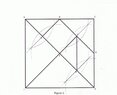
  • Midpoint Construction 001.jpg
    Midpoint Construction 001.jpg
    66.3 KB · Views: 130
Last edited:
Mathematics news on Phys.org
Here is the work I have completed, the cells that mention the midpoint construction are the ones that are causing the problem I believe, but I cannot figure a different way to justify the lengths.

For▲AFJand ▲JFK

Statement


[TD="width: 50%"] Reason

[/TD]

[TD="width: 50%"] ▲ AFJ and ▲ JFK are congruent right isosceles triangles, AJ and JK have a length of 1 unit, m∠AFJ, m∠JFK and m∠AJK = 90°

[/TD]
[TD="width: 50%"] Given and visual observation

[/TD]

[TR]
[TD="width: 50%"] m∠AJF + m∠FAJ + m∠AFJ = m∠FJK + m∠FKJ +m∠JFK = 180°

[/TD]
[TD="width: 50%"] Sum of internal angles in triangle is 180°

[/TD]
[/TR]
[TR]
[TD="width: 50%"] m∠AJF + m∠FAJ = m∠FJK + m∠FKJ = 90°

[/TD]
[TD="width: 50%"] Subtraction

[/TD]
[/TR]
[TR]
[TD="width: 50%"] m∠AJF = m∠FAJ = 45°

[/TD]
[TD="width: 50%"] Division, Isosceles triangle definition

[/TD]
[/TR]
[TR]
[TD="width: 50%"] m∠AJF = m∠FAJ = m∠FJK = m∠FKJ = 45°

[/TD]
[TD="width: 50%"] CPCTC

[/TD]
[/TR]
[TR]
[TD="width: 50%"] ▲AJK is an isosceles right triangle

[/TD]
[TD="width: 50%"] SAS Postulate, Complementary angles definition

[/TD]
[/TR]
[TR]
[TD="width: 50%"] ▲AJK is similar to ▲AFJ and ▲ JFK

[/TD]
[TD="width: 50%"] Definition of right isosceles triangle

[/TD]
[/TR]
[TR]
[TD="width: 50%"] mAJ2 + m JK2 = m AK2 , 12 + 12 = 2 , therefore AK has a length of 2

[/TD]
[TD="width: 50%"] Given Information and Pythagorean Theorem

[/TD]
[/TR]
[TR]
[TD="width: 50%"] ▲AFJ and ▲ JFK are congruent right isosceles triangles, m∠KFJ = m∠AFJ = 90°, and AF = FK, therefore FJ is a perpendicular bisector of AK and also the median of ▲AJK

[/TD]
[TD="width: 50%"] Given Information, Observation, CPCTC and Definitions of Right Isosceles Triangles, Median of a Triangle and Perpendicular Bisectors


[/TD]
[/TR]
[TR]
[TD="width: 50%"] AF and FK have a length of 2/2

[/TD]
[TD="width: 50%"] Definition and Division

[/TD]
[/TR]
[TR]
[TD="width: 50%"] FJ = AF = FK

[/TD]
[TD="width: 50%"] Congruency, Isosceles triangle definition

[/TD]
[/TR]
[TR]
[TD="width: 50%"] ▲AJK has an area of ½ Units2

[/TD]
[TD="width: 50%"] A=1/2 bh

[/TD]
[/TR]
[TR]
[TD="width: 50%"] ▲AFJ and ▲ JFK each have an area of ¼ units2

[/TD]
[TD="width: 50%"] Given they are congruent and by definition each is ½ of ▲AJK

[/TD]
[/TR]


For▲ABDand ▲HEF

Statement


[TD="width: 50%"] Reason

[/TD]

[TD="width: 50%"] ▲ ABD and ▲ HEF are congruent right isosceles triangles, m∠ADB and m∠EFH = 90°

[/TD]
[TD="width: 50%"] Given and visual observation

[/TD]

[TR]
[TD="width: 50%"] 90° + m∠DAB + m∠ABD = m∠FHE + m∠HEF + 90° = 180°

[/TD]
[TD="width: 50%"] Sum of internal angles in triangle is 180°

[/TD]
[/TR]
[TR]
[TD="width: 50%"] m∠DAB + m∠ABD = m∠FHE + m∠HEF = 90°

[/TD]
[TD="width: 50%"] Subtraction

[/TD]
[/TR]
[TR]
[TD="width: 50%"] m∠DAB = m∠ABD = 45°

[/TD]
[TD="width: 50%"] Division, Isosceles triangle definition

[/TD]
[/TR]
[TR]
[TD="width: 50%"] m∠DAB = m∠ABD = m∠FHE = m∠HEF = 45°

[/TD]
[TD="width: 50%"] CPCTC

[/TD]
[/TR]
[TR]
[TD="width: 50%"] EF, FH, BD and AD are Congruent

[/TD]
[TD="width: 50%"] CPCTC

[/TD]
[/TR]
[TR]
[TD="width: 50%"] HE and AB are congruent

[/TD]
[TD="width: 50%"] CPCTC

[/TD]
[/TR]
[TR]
[TD="width: 50%"] m FH = 2/4 Units


[/TD]
[TD="width: 50%"] By completing a midpoint construction, the mid point of FK was determined to be point H, therefore FH and HK are are congruent and ½ the length of FK. Length of FK was determined in a previous proof. (see Figure 1 below for Midpoint Construction proof)


[/TD]
[/TR]
[TR]
[TD="width: 50%"] m FH, EF, BD and AD = 2/4 Units

[/TD]
[TD="width: 50%"] Definition of Isosceles triangle and CPCTC

[/TD]
[/TR]
[TR]
[TD="width: 50%"] mFH2 + m FE2 = m EH2, √2/42 + 2/42 = 4/16, therefore m EH = 4/16 = ½ Unit

[/TD]
[TD="width: 50%"] Pythagorean Theorem

[/TD]
[/TR]
[TR]
[TD="width: 50%"] m EH = m AB = ½ Unit

[/TD]
[TD="width: 50%"] CPCTC

[/TD]
[/TR]

[TD="width: 50%"][/TD]
[TD="width: 50%"][/TD]

[TD="width: 50%"][/TD]
[TD="width: 50%"][/TD]

[TD="width: 50%"][/TD]
[TD="width: 50%"][/TD]

[TD="width: 50%"][/TD]
[TD="width: 50%"][/TD]

[TD="width: 50%"][/TD]
[TD="width: 50%"][/TD]

[TD="width: 50%"][/TD]
[TD="width: 50%"][/TD]

[TD="width: 50%"][/TD]
[TD="width: 50%"][/TD]

[TD="width: 50%"][/TD]
[TD="width: 50%"][/TD]

[TD="width: 50%"][/TD]
[TD="width: 50%"][/TD]

[TD="width: 50%"][/TD]
[TD="width: 50%"][/TD]

[TD="width: 50%"][/TD]
[TD="width: 50%"][/TD]

[TD="width: 50%"][/TD]
[TD="width: 50%"][/TD]
 
Work Continued

For▲BCG

Statement


[TD="width: 50%"] Reason

[/TD]

[TD="width: 50%"] ▲ BCG is a right isosceles triangle, m∠BCG = 90°

[/TD]
[TD="width: 50%"] Given and inspection

[/TD]

[TR]
[TD="width: 50%"] m∠CGB + m∠CBG + 90° = 180°

[/TD]
[TD="width: 50%"] Sum of internal angles in triangle is 180°

[/TD]
[/TR]
[TR]
[TD="width: 50%"] m∠CGB + m∠CBG = 90°

[/TD]
[TD="width: 50%"] Subtraction

[/TD]
[/TR]
[TR]
[TD="width: 50%"] m∠CGB = m∠CBG = 45°

[/TD]
[TD="width: 50%"] Division, Isosceles triangle definition

[/TD]
[/TR]
[TR]
[TD="width: 50%"] BC and CG are congruent

[/TD]
[TD="width: 50%"] Definition of Isosceles triangle

[/TD]
[/TR]
[TR]
[TD="width: 50%"] m CG + m GK = 1 Unit

[/TD]
[TD="width: 50%"] Given length of CK is 1 Unit

[/TD]
[/TR]
[TR]
[TD="width: 50%"] 1 Unit - m GK = m CG = ½ Unit

[/TD]
[TD="width: 50%"] Subtraction, proof for parallelogram

[/TD]
[/TR]
[TR]
[TD="width: 50%"] m CG = m BC = ½ Unit

[/TD]
[TD="width: 50%"] Congruent sides of an isosceles triangle

[/TD]
[/TR]
[TR]
[TD="width: 50%"] m BG = m BE + m EG

[/TD]
[TD="width: 50%"] Two segments added together make a whole

[/TD]
[/TR]
[TR]
[TD="width: 50%"] m BG = 2/2 units

[/TD]
[TD="width: 50%"] Addition

[/TD]
[/TR]


For■BEFD

Statement


[TD="width: 50%"] Reason

[/TD]

[TD="width: 50%"] BEFD is a square, all four sides and angles are congruent, all angles are 90°

[/TD]
[TD="width: 50%"] Definition and given information

[/TD]

[TR]
[TD="width: 50%"] Length of DB = 2/4 Units

[/TD]
[TD="width: 50%"] Line segments are congruent with themselves, the length of DB was found during exercise for ABD

[/TD]
[/TR]
[TR]
[TD="width: 50%"] m DB, FD, EF and BE = 2/4 Units

[/TD]
[TD="width: 50%"] Definition of a square

[/TD]
[/TR]
[TR]
[TD="width: 50%"] m∠BEF, m∠EFD, m∠FDB, m∠DBE = 90°

[/TD]
[TD="width: 50%"] Definition of a square

[/TD]
[/TR]
 
Work Continued

ForParallelogram EGKH

Statement


[TD="width: 50%"] Reason

[/TD]

[TD="width: 50%"] EGKH is a parallelogram

[/TD]
[TD="width: 50%"] Given

[/TD]

[TR]
[TD="width: 50%"] m HK = 2/4 Units

[/TD]
[TD="width: 50%"] By completing a midpoint construction, the mid point of FK was determined to be point H, therefore FH and HK are are congruent and ½ the length of FK , as found in proof for ▲ HEF

[/TD]
[/TR]
[TR]
[TD="width: 50%"] m HK = m EG

[/TD]
[TD="width: 50%"] Opposite sides of a parallelogram are congruent

[/TD]
[/TR]
[TR]
[TD="width: 50%"] m HE = ½ Unit

[/TD]
[TD="width: 50%"] Line segments are congruent with themselves, the length of HE was found during exercise for HEF

[/TD]
[/TR]
[TR]
[TD="width: 50%"] m GK = m HE = ½ Unit

[/TD]
[TD="width: 50%"] Opposite sides of a parallelogram are congruent

[/TD]
[/TR]
[TR]
[TD="width: 50%"] m∠EHK = 135°

[/TD]
[TD="width: 50%"] ∠EHK and ∠EHF are supplementary therefore by subtraction 180° - (m∠EHF)45° = 135°, Previous proof

[/TD]
[/TR]
[TR]
[TD="width: 50%"] m∠EHK = m∠EGK = 135°

[/TD]
[TD="width: 50%"] Opposite angles of parallelograms are congruent

[/TD]
[/TR]
[TR]
[TD="width: 50%"] m∠JKF = 45°

[/TD]
[TD="width: 50%"] Previous proof

[/TD]
[/TR]
[TR]
[TD="width: 50%"] m∠JKF + m∠GKH = 90°

[/TD]
[TD="width: 50%"] Complementary angle definition. Given ACKJ is a Square therefore all angles are 90°

[/TD]
[/TR]
[TR]
[TD="width: 50%"] m∠GKH = 45°

[/TD]
[TD="width: 50%"] Complementary angle definition

[/TD]
[/TR]
[TR]
[TD="width: 50%"] m∠GKH = m∠HEG = 45°

[/TD]
[TD="width: 50%"] Opposite angles of parallelograms are congruent

[/TD]
[/TR]
 
Hi squigley5 and welcome to MHB! :D

squigley5 said:
Given:
● and are large, congruent right isosceles triangles.
● and are small, congruent right isosceles triangles.
● is a right isosceles triangle.
● is a square.
● is a parallelogram.
● is a square with dimensions of 1 unit by 1 unit (i.e., the entire area of the square is 1 unit2).

The above list is incomplete. Can you please clarify?
 
Thanks for the heads up. Took so long to get it all posted I missed the dropped characters. Fixed it.
 
Solved: Since BEFD is a square and ABD is a right isosceles triangle, segments DB, BE, EF and FD are congruent. Since ABD is a right isosceles triangle AD is congruent with BD, therefore AD is congruent with FD and their sum is equal to AF. Since we now can mathematically calculate FD and AD we can solve the rest of the lengths without constructions.
 

Similar threads

  • · Replies 3 ·
Replies
3
Views
3K
  • · Replies 5 ·
Replies
5
Views
5K
  • · Replies 2 ·
Replies
2
Views
5K
  • · Replies 8 ·
Replies
8
Views
4K
  • · Replies 1 ·
Replies
1
Views
2K
  • · Replies 12 ·
Replies
12
Views
3K
  • · Replies 1 ·
Replies
1
Views
3K
  • · Replies 3 ·
Replies
3
Views
2K
  • · Replies 40 ·
2
Replies
40
Views
5K
  • · Replies 83 ·
3
Replies
83
Views
22K