SUMMARY
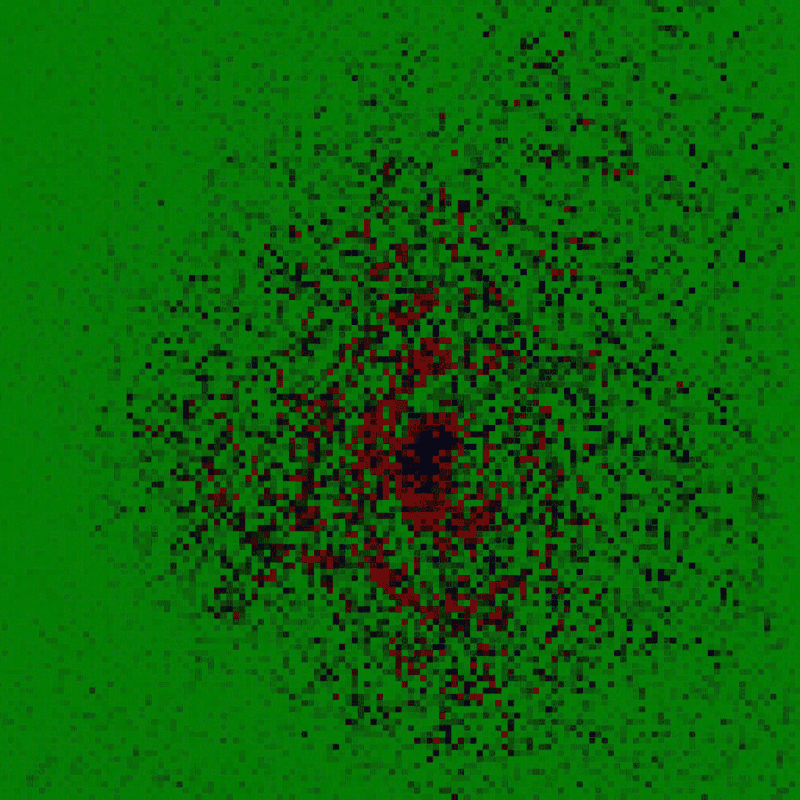
The discussion centers on the technique of creating false color images to reveal structures in the shadow of an atom, specifically in relation to the M87 black hole. Participants highlight that the colors used do not directly correlate to intensity but result from mixing images with variations in sharpness, contrast, and brightness. Concerns are raised about the risk of introducing false positives through excessive processing of already processed data. The conversation emphasizes the need for peer-reviewed validation of such techniques before drawing definitive conclusions.
PREREQUISITES
- Understanding of image processing techniques, including sharpness and contrast adjustments.
- Familiarity with false color imaging and its applications in scientific visualization.
- Knowledge of data mining and machine learning concepts relevant to image analysis.
- Awareness of the significance of peer review in scientific research.
NEXT STEPS
- Research the principles of false color imaging in scientific contexts.
- Explore the impact of image processing on data integrity and accuracy.
- Investigate peer review processes in scientific publishing.
- Learn about the application of machine learning in image analysis and enhancement.
USEFUL FOR
Researchers, data scientists, and imaging specialists interested in advanced image processing techniques and their implications in scientific discovery.