SUMMARY
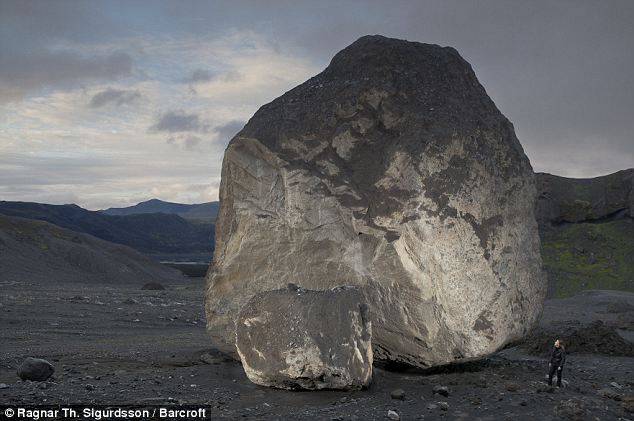
The discussion centers on comparing the density of a rhino to that of a rock, specifically a glacial deposit. It is established that flesh, primarily composed of water, has a density of approximately 1000 kg/m³, while rocks typically have a density of at least 1.5 to 2 times that of water. Consequently, a rock of the same size as a rhino will be significantly denser and heavier due to the air content in the rhino's body, which reduces its overall density. Therefore, the rock is definitively denser than the rhino.
PREREQUISITES
- Understanding of basic density concepts
- Knowledge of material properties, specifically the density of water (1000 kg/m³)
- Familiarity with glacial deposits and their characteristics
- Basic biology regarding the composition of living organisms
NEXT STEPS
- Research the density of various rock types, particularly glacial deposits
- Study the composition of living organisms and how it affects density
- Explore the principles of buoyancy and density in biological contexts
- Investigate the physical properties of water and its role in biological structures
USEFUL FOR
This discussion is beneficial for students of biology, geology enthusiasts, and anyone interested in understanding the physical properties of living organisms compared to geological materials.