Discussion Overview
The discussion revolves around the comparison between file structures and data structures, particularly in the context of programming and application development. Participants explore various perspectives on the efficiency, security, and usability of different approaches to data handling, with references to specific programming environments like .NET.
Discussion Character
- Debate/contested
- Technical explanation
- Conceptual clarification
- Meta-discussion
Main Points Raised
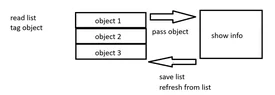
- Some participants suggest that saving objects directly may be preferable, questioning the necessity of complex structures.
- Others argue that file operations are generally slow and can hinder scalability, emphasizing the importance of prioritizing speed in coding practices.
- A participant mentions the use of a button form in .NET, implying a connection to data handling but does not clarify the relevance.
- There is a debate about whether file directories can be considered data structures, with some noting the potential for external modifications to files.
- Concerns are raised about the clarity and intent of the original poster's contributions, with some participants questioning the quality of communication and whether the posts are made in good faith.
- Participants express uncertainty about the original poster's language proficiency and the implications for their contributions.
- Some participants speculate on the reasons for perceived poor communication, suggesting that it may not solely be a matter of language skills.
Areas of Agreement / Disagreement
Participants do not reach a consensus on the best approach to file versus data structures. There are multiple competing views regarding the efficiency and security of each method, as well as ongoing concerns about the clarity of the original poster's contributions.
Contextual Notes
There are indications of missing assumptions and unclear definitions regarding what constitutes a data structure versus a file structure. The discussion also reflects varying levels of understanding and communication among participants, which may affect the clarity of the arguments presented.
Who May Find This Useful
Readers interested in programming practices, data management strategies, and the nuances of file handling in software development may find this discussion relevant.