SUMMARY
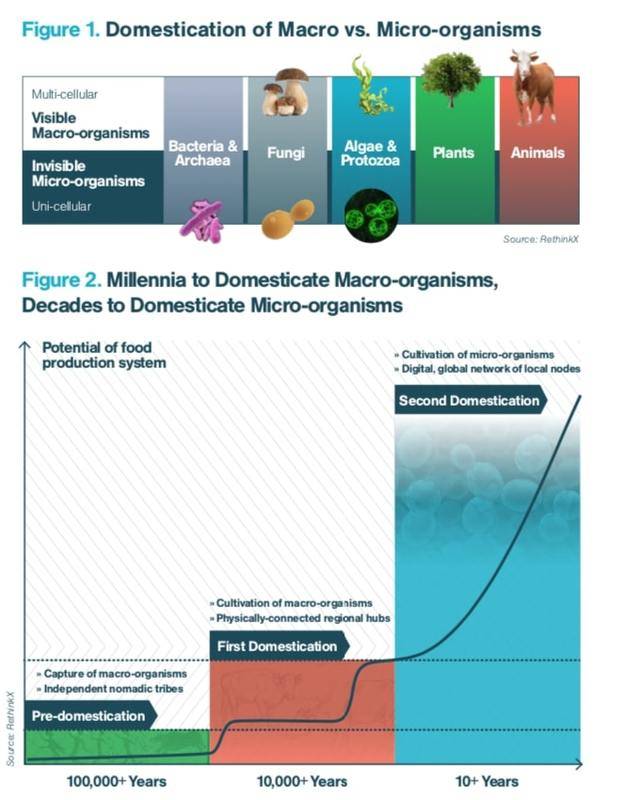
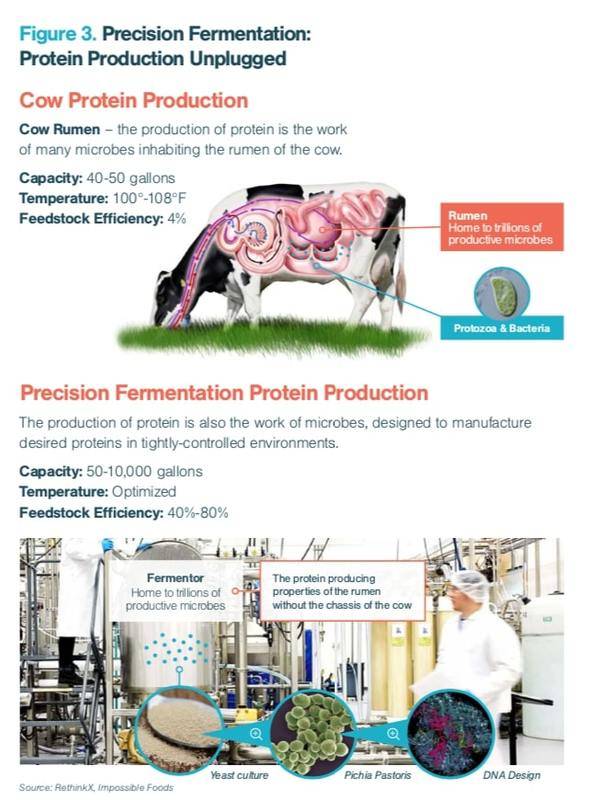
The discussion centers on the future of food production, particularly the potential of lab-grown proteins and alternatives to traditional livestock. Key references include the RethinkX Food and Agriculture Report and the concept of using bacteria to create proteins, which may enhance food security and reduce CO2 emissions. The conversation critiques the limitations of current alternatives, such as the Impossible Burger, highlighting the complexity of replicating the diverse chemical structures found in traditional foods. Ultimately, the feasibility of producing complex food alternatives through tissue culturing is questioned, suggesting that simpler food solutions may be more economically viable.
PREREQUISITES
- Understanding of lab-grown protein technologies
- Familiarity with food chemistry and nutritional science
- Knowledge of agricultural biotechnology
- Awareness of environmental impacts of food production
NEXT STEPS
- Research advancements in lab-grown meat technologies
- Explore the economic implications of alternative protein sources
- Investigate the nutritional profiles of lab-grown versus traditional foods
- Learn about the environmental benefits of reducing livestock farming
USEFUL FOR
This discussion is beneficial for food scientists, agricultural technologists, environmentalists, and anyone interested in the future of sustainable food production and alternative protein sources.