SUMMARY
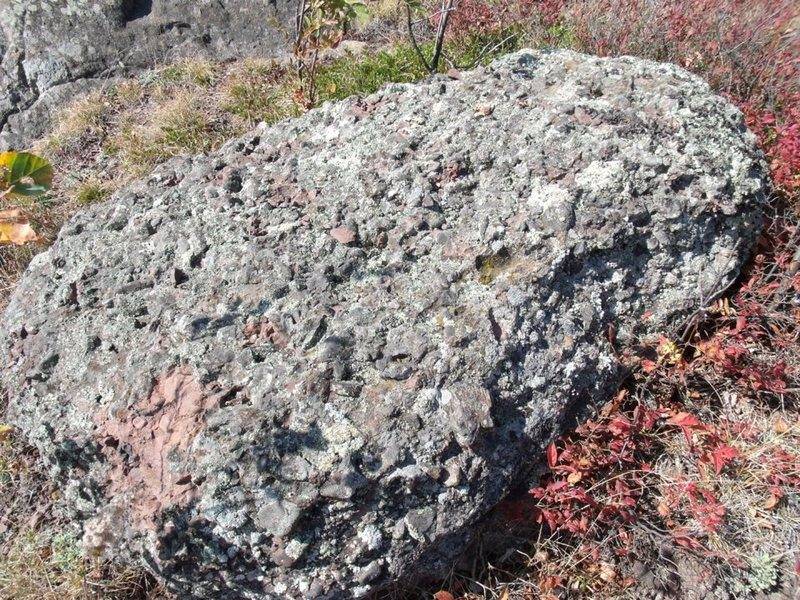
The discussion focuses on identifying a rock found in Western Upper Michigan, emphasizing the geological processes that may have transported it. Participants highlight the significance of glacial activity in the region, particularly the movement of rocks by glaciers and the potential for human dumping. Key considerations include the rock's location relative to roads and steep rock faces, as well as its physical characteristics, which may indicate whether it is a conglomerate or construction waste. The absence of lichens suggests the rock has not been in place for a long time.
PREREQUISITES
- Understanding of glacial geology and processes
- Familiarity with rock identification techniques
- Knowledge of terminal moraines and their formation
- Awareness of environmental factors affecting rock surfaces, such as lichen growth
NEXT STEPS
- Research glacial processes in the Great Lakes region
- Study techniques for identifying rock types, focusing on conglomerates
- Learn about terminal moraines and their geological significance
- Explore the impact of human activity on natural landscapes and rock formations
USEFUL FOR
Geologists, environmental scientists, rock enthusiasts, and anyone interested in the geological history of the Great Lakes region.