Discussion Overview
The discussion revolves around the conditions for achieving choked flow through a converging-diverging (c-d) nozzle, specifically examining the effects of diameter and angle of the divergent section on the pressure ratio limit for choking. Participants explore theoretical implications, practical limitations, and the relationship between exit pressure and flow behavior.
Discussion Character
- Debate/contested
- Technical explanation
- Exploratory
Main Points Raised
- Some participants question whether increasing the diameter at a specific point in the nozzle can lead to choked flow, suggesting that there may be limits based on geometry and pressure ratios.
- Others argue that choked flow is primarily dependent on stagnation properties before the throat, asserting that the conditions upstream dictate the flow characteristics.
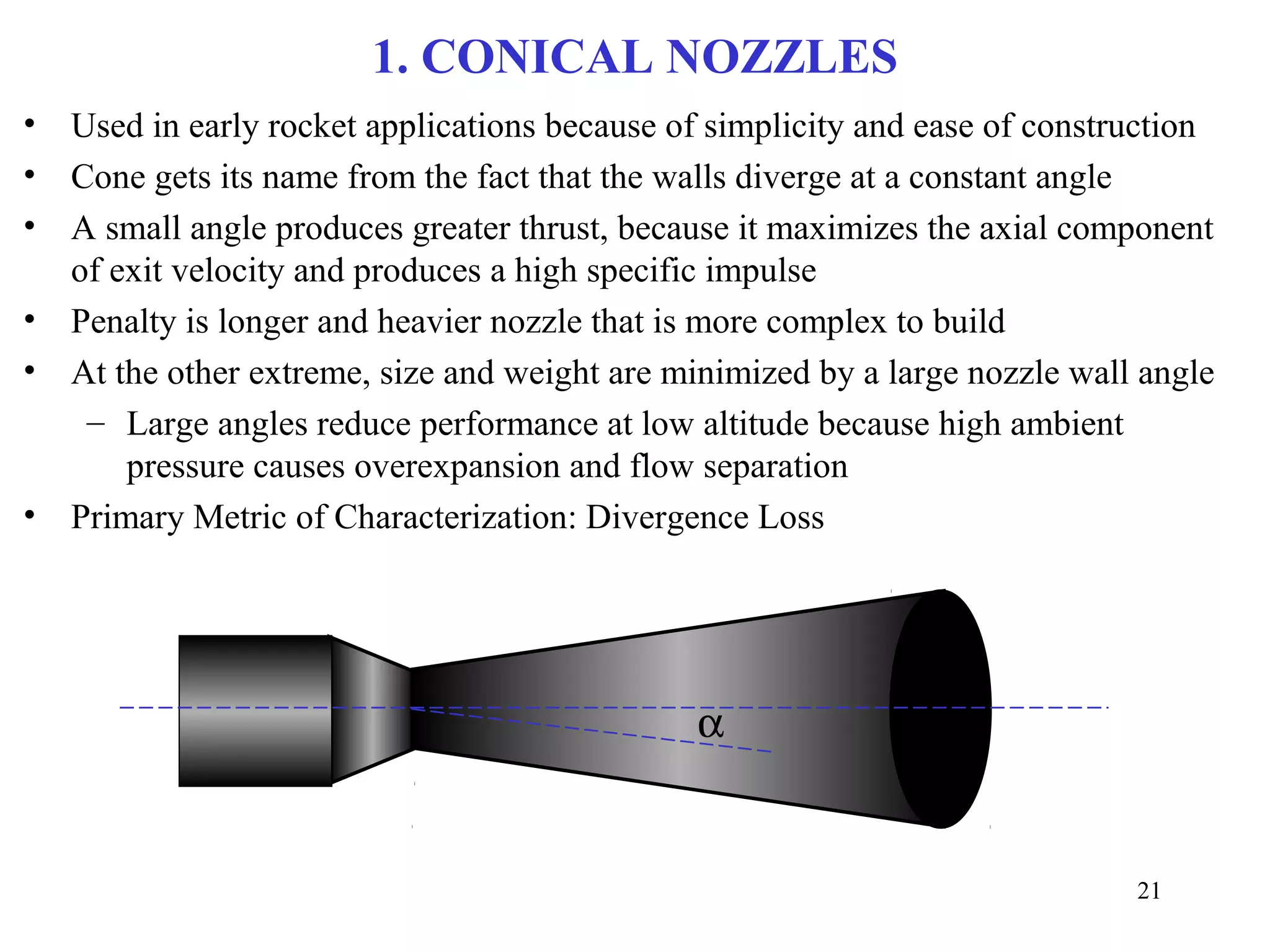
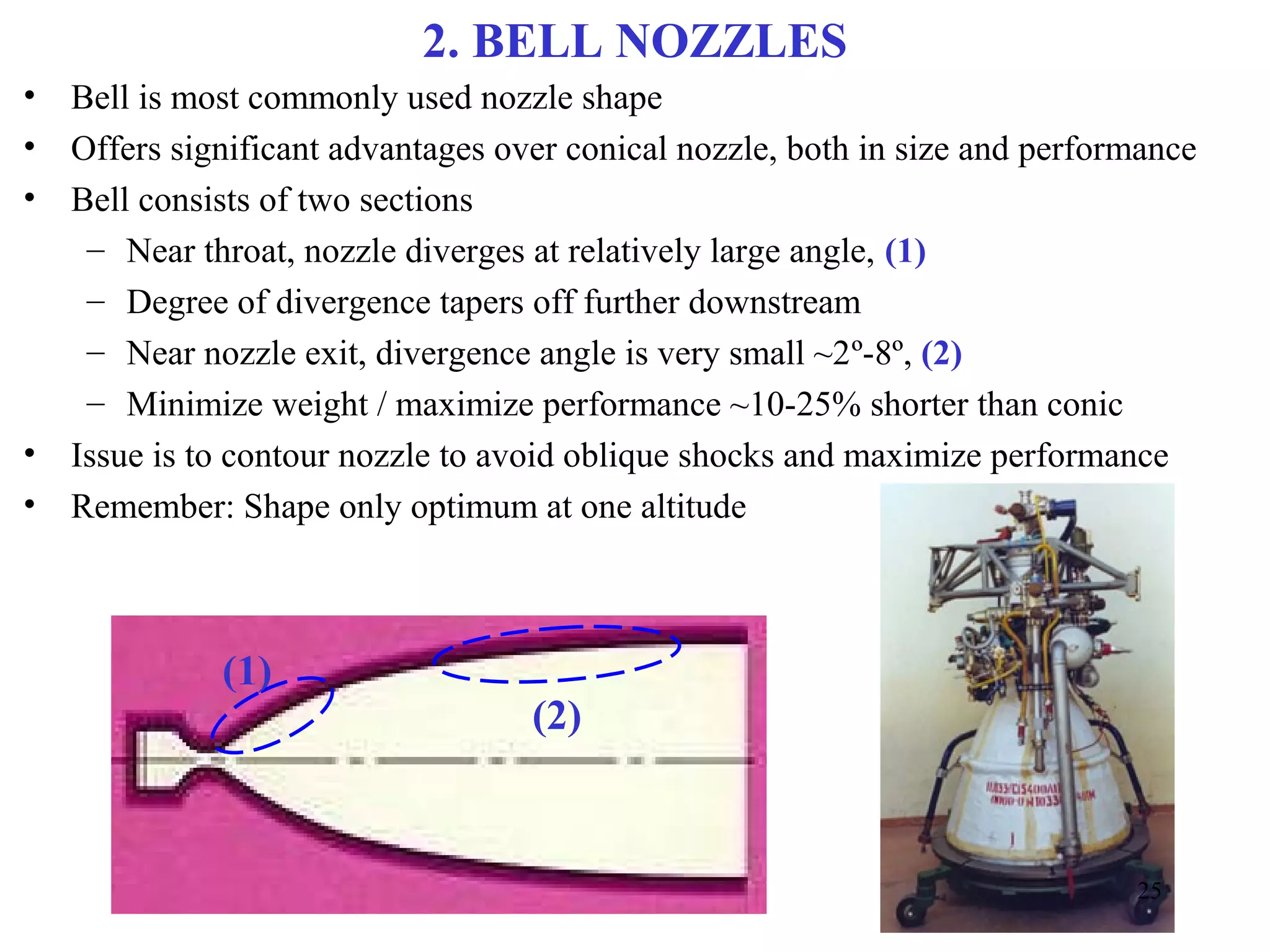
- A participant mentions that the angle of the divergent section could affect flow behavior, raising concerns about the effectiveness of the diverging part if the angle is too great.
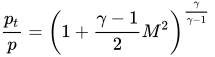
- There is a discussion about the critical pressure ratios for different nozzle configurations, with some participants suggesting that certain ratios may prevent choking altogether.
- One participant proposes that any exit pressure can create choked flow with the appropriate exit area, emphasizing the importance of area ratios over angles.
- Concerns are raised about the impact of a 90-degree angle in the diverging section, with a participant suggesting that it may revert to behaving like a converging-only nozzle under certain conditions.
- A later reply discusses the limits for minimal losses in nozzle design, suggesting optimal angles for converging and diverging sections.
Areas of Agreement / Disagreement
Participants express differing views on the relationship between nozzle geometry, pressure ratios, and choked flow conditions. There is no consensus on the limits of diameter and angle for effective choking, and multiple competing perspectives remain throughout the discussion.
Contextual Notes
Participants note that the relationship between exit pressure and flow behavior is complex, with unresolved questions regarding the influence of geometry and pressure ratios on choking conditions. The discussion highlights the need for further exploration of these factors in nozzle design.