kunalv
- 29
- 1
I am developing a machine which consists of a horizontally mounted cylindrical drum, where the door is front mounted, top opening pneumatically actuated (Picture enclosed).
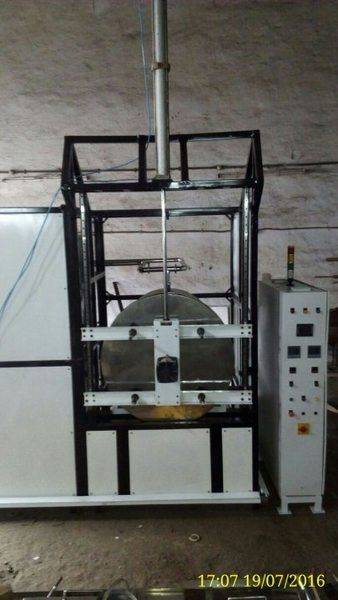
The door is lifted up by the pneumatic cylinder.
Now there is an obvious possibility of the door crashing down if the air supply to the cylinder is somehow disrupted. I have tried using a 5/3 Direction Control Valve & Pilot operated NRVs on the cylinder, but these do not help.
I want to stop the exhaust of air from the cylinder if, for eg, one of the air pipes from either port on the cylinder, comes off. So the cylinder should stop where it is.
Provision of mechanical stoppers is always a possibility. But I would like to leave it as a last resort.
Any help would be great.
The door is lifted up by the pneumatic cylinder.
Now there is an obvious possibility of the door crashing down if the air supply to the cylinder is somehow disrupted. I have tried using a 5/3 Direction Control Valve & Pilot operated NRVs on the cylinder, but these do not help.
I want to stop the exhaust of air from the cylinder if, for eg, one of the air pipes from either port on the cylinder, comes off. So the cylinder should stop where it is.
Provision of mechanical stoppers is always a possibility. But I would like to leave it as a last resort.
Any help would be great.