Discussion Overview
The discussion revolves around the interpretation of the double-slit experiment with electrons, specifically addressing the concept of electron behavior, interference patterns, and the implications of charge repulsion. Participants explore theoretical interpretations, misconceptions, and the reliability of learning physics from online sources.
Discussion Character
- Debate/contested
- Conceptual clarification
- Meta-discussion
Main Points Raised
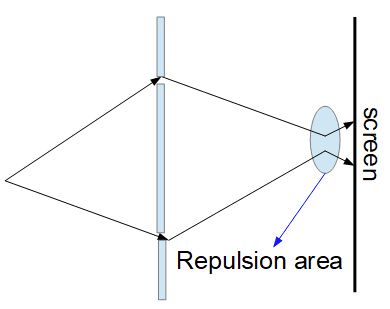
- One participant suggests that in the double-slit experiment, each electron clones itself, passing through both slits and interfering on the screen.
- Another participant counters that there is only one electron in the experiment, emphasizing that interference patterns emerge from many electrons hitting the screen over time.
- Concerns are raised about the interpretation of information from a YouTube video by Sabine Hossenfelder, with participants questioning the accuracy of the claims made.
- Some participants express skepticism about learning physics from YouTube, while others defend the value of certain educational content available online.
- There is a discussion about the difficulty for laypersons to discern quality information from misleading content in popular science media.
Areas of Agreement / Disagreement
Participants disagree on the interpretation of the double-slit experiment, particularly regarding the notion of electron cloning and the nature of interference. There is also contention regarding the reliability of learning physics from YouTube, with differing opinions on its value.
Contextual Notes
The discussion highlights misunderstandings about the nature of the double-slit experiment and the role of multiple electrons in forming interference patterns. There is also a recognition of the challenges faced by laypersons in evaluating scientific content from various media sources.