What are the potential risks of snorting powdered alcohol?

  • Thread starter Thread starter 256bits
  • Start date Start date
  • Tags Tags
    Alcohol
Click For Summary
SUMMARY

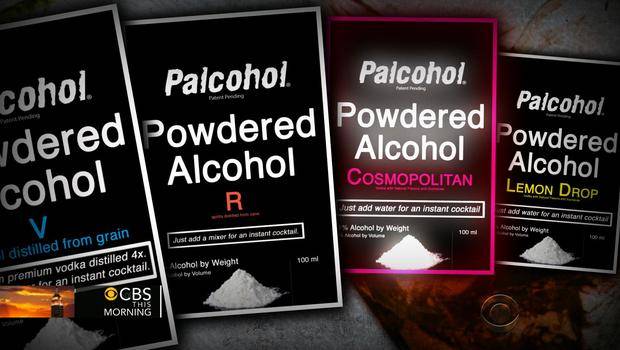
The discussion centers on the potential risks associated with snorting powdered alcohol, specifically Palcohol, which was briefly approved and then revoked for sale. Concerns include its appeal to minors and individuals seeking rapid intoxication, as well as the dangers posed by its high alcohol content of 60%. The powder's composition, which includes starch that absorbs liquid, raises questions about its safety and the implications of its use. The conversation highlights the need for caution regarding its marketing and potential misuse.

PREREQUISITES
  • Understanding of powdered alcohol and its chemical composition
  • Knowledge of the risks associated with substance abuse
  • Familiarity with the regulatory landscape surrounding alcohol products
  • Awareness of the effects of alcohol absorption methods
NEXT STEPS
  • Research the chemical properties of cyclodextrins and their applications in food and beverages
  • Investigate the health risks associated with rapid alcohol absorption methods
  • Examine the legal regulations surrounding powdered alcohol products in various jurisdictions
  • Explore the marketing strategies used for alcohol products targeting younger demographics
USEFUL FOR

This discussion is beneficial for public health officials, substance abuse counselors, regulatory agencies, and anyone involved in alcohol product marketing or safety advocacy.

256bits
Gold Member
Messages
4,202
Reaction score
2,206
Now, this is new.

http://www.theverge.com/2014/4/20/5634132/us-regulators-approve-powdered-alcohol

Approved, then un-approved ( when the Palcohol wore off ).
What were they thinking!
palcohol.jpg
 
Last edited by a moderator:
Biology news on Phys.org
Honestly it sounds like a waste of time unless it's easier to ship. Not sure who the target market is for this.
 
How much do you need to make a bottle of vodka for example?
 
I would bet that you would need as much water as a bottle of vodka, less some of volume for the powder, or rather the amount of alcohol within the powder. Weight saving = none for a decent drink.

I also would bet that their initial marketing was for the partying crowd who are willing to try anything, at least once. Fun aspect = 100%. They may have misplayed that one, since the approval for sale was revoked. My second reaction, after the first, was that this could be extremely dangerous for widespread public use.

What is it? A starch that has the ability to absorb liquid, which in this case would be alcohol. A chemist on the radio compared the starch similar to the fabric in diapers which can absorb many many times their weight, or volume, I am not sure which, of water.

Does added water replace the alcohol within the starch and one then has a ready made flavoured drink, with added starch? I don't know. I heard about this only 2 days ago.
 
But apart from the water, how much would the powder itself weigh?
 
Greg Bernhardt said:
Honestly it sounds like a waste of time unless it's easier to ship. Not sure who the target market is for this.

1. Minors. It's more compact and easier to hide.
2. Snorters. This gets you drunk in seconds. It's also likely to kill you, but what the heck? There's a profit to be made!
 
It's probably a lot cheaper than conventional alcohol though.
 
Doubtful, since it's absorbed conventional alcohol.
 
I think the main appeal is that it's flavored, and it would be very easy to make cheap imitation cocktails with it. For dumb kids who can't figure out anything for themselves, this is probably very appealing.

Also, it is definitely easier to transport then normal alchohol - people could bring it to sporting games, concerts etc... where normally you're not allowed to bring stuff with you.
 
  • #10
disregardthat said:
But apart from the water, how much would the powder itself weigh?
The alcohol content is 60%

disregardthat said:
It's probably a lot cheaper than conventional alcohol though.
No, it's just absorbed alcohol. It's not easier to ship either, unless one wants to hide one is shipping alcohol.
 
  • #11
They tried this with making powdered water, but then you have to add water ...
 
  • #12
It's easy to make at home with N-Zorbit M.
 
  • #13
I'm not sure what the fuss is about, I've never been enticed to drink or snort the 99% or even the 75% alcohol that's available in the lab. People can get hard liquor in stores and abuse that.
 
  • #14
Is the USPTO above making an April fool's joke?

Patent # 3,795,747

Alcohol-containing powder

Patented Mar 5, 1974

It is still April.

SciAm

Lipsmark warns people that, as a precaution against people wanting to snort Palcohol, they've "added volume to the powder so it would take more than a half of a cup of powder to get the equivalent of one drink up your nose." What would happen if someone were to snort Palcohol or any other powdered alcohol?

I'd worry just as much about the molecular cage as I would about the ethanol. Cyclodextrins are used for fragrance molecules in detergents, and for flavorings in foods like powdered gravy. Would you snort these?

Gravy snorters... (snicker snicker) :smile:
 

Similar threads

Replies
43
Views
19K
Replies
1
Views
3K
  • · Replies 4 ·
Replies
4
Views
3K
  • · Replies 5 ·
Replies
5
Views
2K
Replies
19
Views
5K
  • · Replies 5 ·
Replies
5
Views
3K
  • · Replies 2 ·
Replies
2
Views
2K
  • · Replies 47 ·
2
Replies
47
Views
10K
Replies
5
Views
3K
  • · Replies 10 ·
Replies
10
Views
6K