Discussion Overview
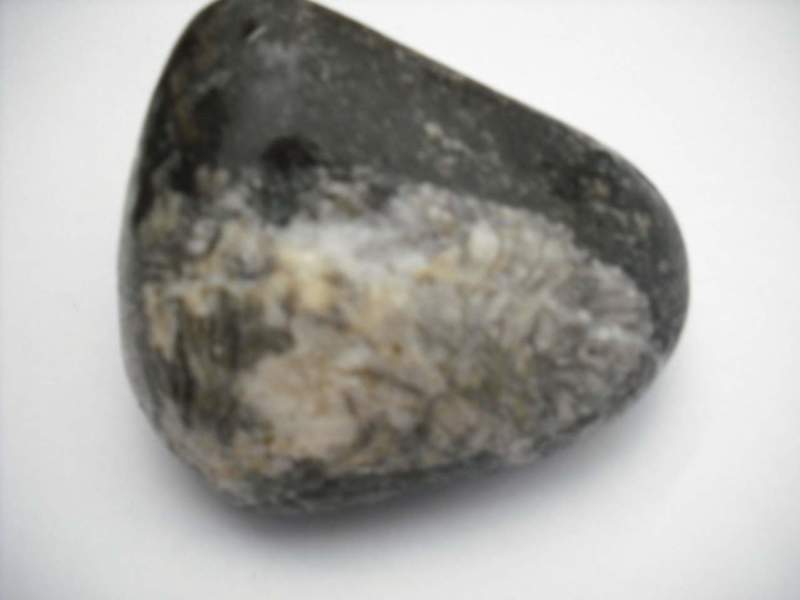
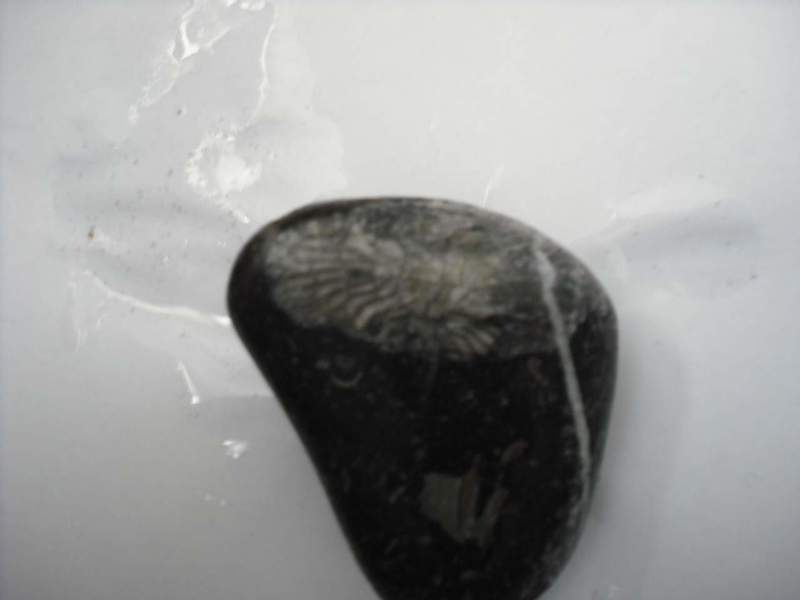
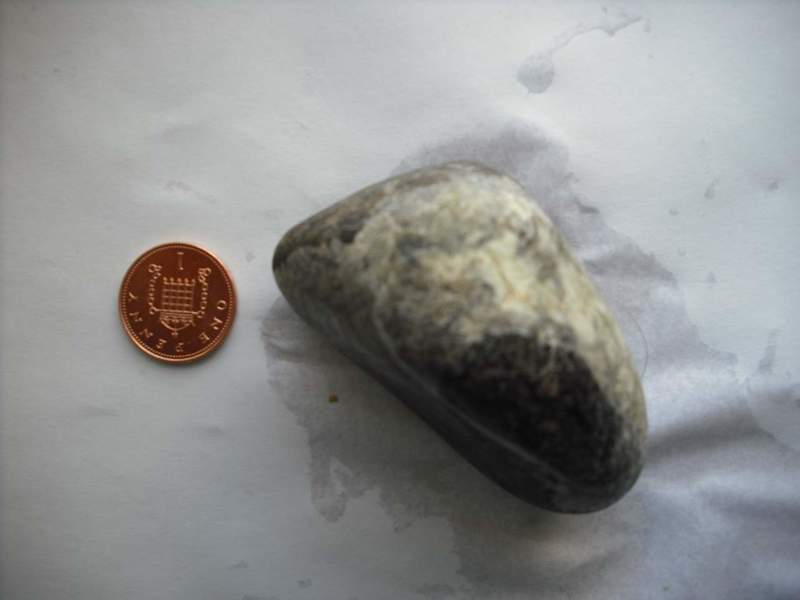
The discussion revolves around the identification of a potential fish fossil found on a beach in Swansea, UK. Participants explore the characteristics of the fossil, its geological context, and the legality of fossil hunting in the area. The conversation includes various perspectives on the nature of the find and the excitement of fossil discovery.
Discussion Character
- Exploratory
- Debate/contested
- Technical explanation
- Conceptual clarification
- Experimental/applied
Main Points Raised
- One participant describes a rock that appears to be a fish fossil, noting features such as closely set eyes and a large tail/fin.
- Another suggests taking the find to a local university or college for expert opinion.
- Concerns about looking silly for questioning whether it is a fossil are expressed, with encouragement to seek knowledge regardless of the outcome.
- Discussion includes the geological context of Swansea, with references to its Carboniferous-aged rocks and potential fossil richness.
- Some participants propose that the fossil could be a coral, while others assert it has distinct bone-like structures, indicating it may be a fish fossil.
- Questions arise about the timeline of fish evolution and the transition to amphibians, with some participants providing speculative historical context.
- Legal considerations regarding fossil hunting in protected areas are raised, with advice to check local legislation and safety concerns about digging in cliffs.
- One participant shares their excitement about finding additional fossils, including mussels and limpets, and inquires about their geological age.
- Another participant mentions acquiring a crinoid fossil, adding to the discussion of fossil finds in the area.
Areas of Agreement / Disagreement
Participants express differing views on the identification of the fossil, with some suggesting it is a coral while others argue for its classification as a fish fossil. The discussion remains unresolved regarding the exact nature of the find and the implications of fossil hunting practices.
Contextual Notes
Participants express uncertainty about the geological age of the fossils and the implications of fossil hunting laws. There are references to the difficulty in identifying fossils based on visual characteristics, and the discussion includes various assumptions about the fossil's nature.
Who May Find This Useful
Individuals interested in geology, paleontology, fossil identification, and legal aspects of fossil hunting may find this discussion informative.