Homework Help Overview
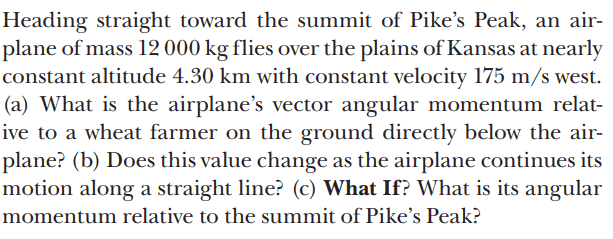
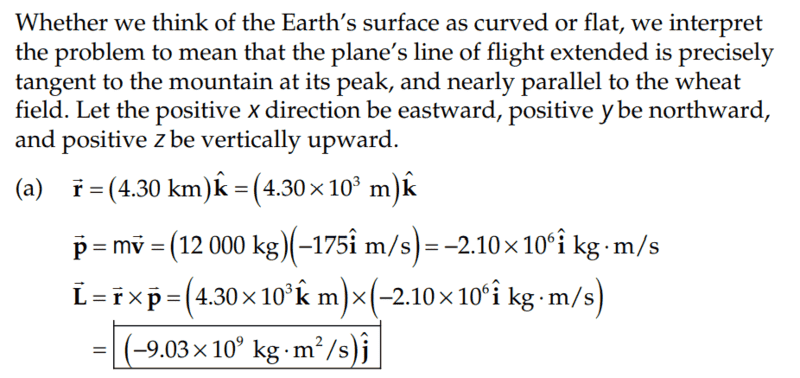
The discussion revolves around the choice of coordinate systems in physics problems, specifically the right-handed coordinate system versus other possible systems. Participants are exploring the implications of these choices in the context of angular momentum and vector representation.
Discussion Character
- Conceptual clarification, Assumption checking, Mixed
Approaches and Questions Raised
- Participants are questioning the rationale behind using different coordinate systems and whether the commonly accepted right-handed system is being applied correctly. There are discussions about the implications of axis order and the definitions of right-handed versus left-handed systems.
Discussion Status
Some participants have provided insights into the nature of coordinate systems and their relevance to the problem at hand. There is an ongoing exploration of different interpretations regarding the assignment of axes and the assumptions that underlie these choices.
Contextual Notes
There is mention of specific vector equations and the importance of axis order in determining the type of coordinate system being used. Participants also note the lack of a universally accepted coordinate system for Earth, which adds complexity to the discussion.