SUMMARY
To prepare for Quantum Mechanics (QM), a solid understanding of calculus is essential, particularly focusing on integration techniques and geometric intuition. The recommended resources include M. Boas' "Mathematical Methods in the Physical Sciences," which provides a comprehensive overview of necessary mathematical concepts. Additionally, alternatives such as "Schaum's Outline of Advanced Mathematics for Engineers and Scientists" by Spiegel and "Advanced Engineering Mathematics" by Kreizig are suggested for their organized content and solved problems. Avoid Griffiths' book due to its poor explanations and consider Landau and Lifgarbagez's work for a more accessible introduction to QM.
PREREQUISITES
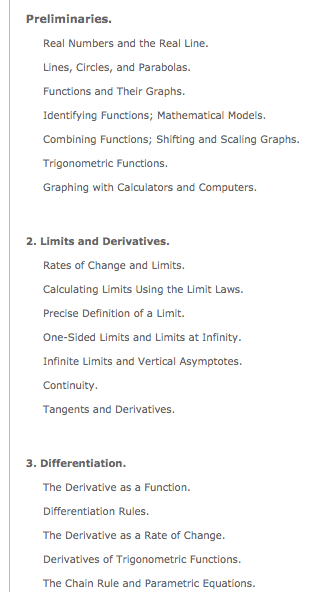
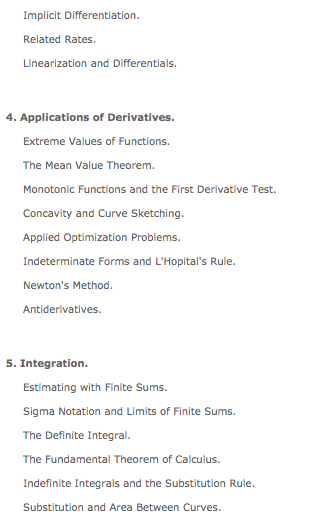
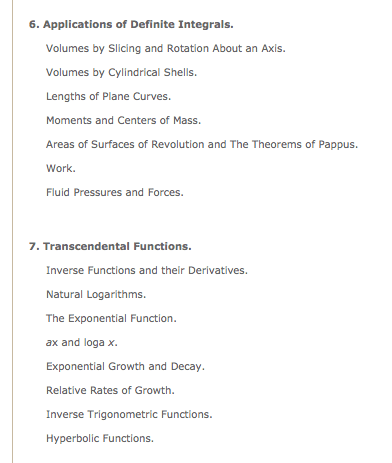
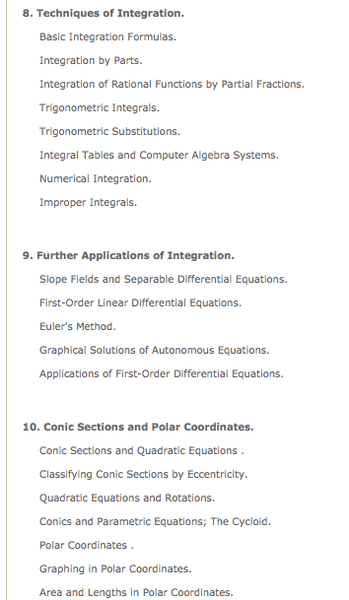
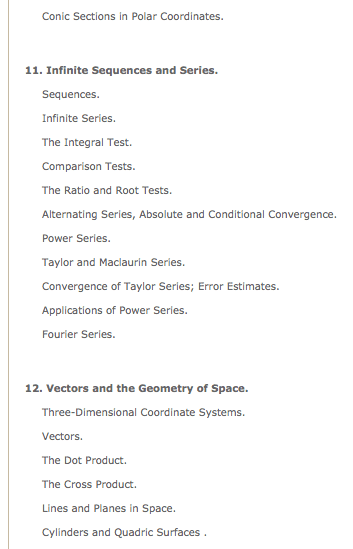
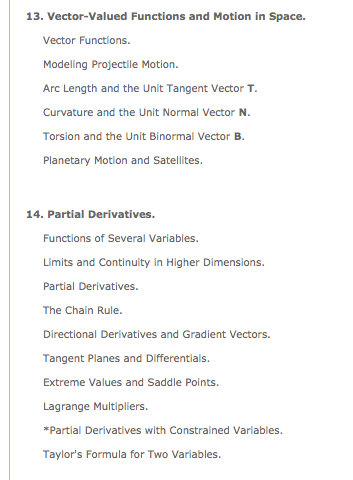
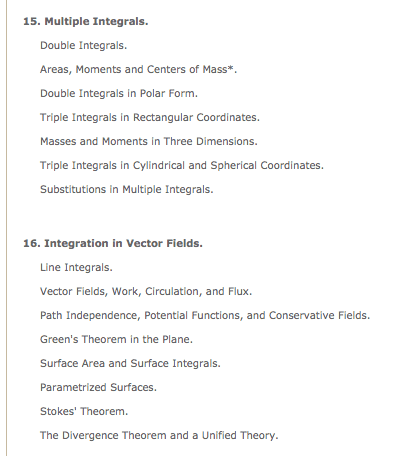
- Understanding of calculus, including derivatives and integrals
- Familiarity with integration techniques such as integration by parts
- Knowledge of polar and spherical coordinates
- Basic concepts of linear algebra and partial differential equations (PDEs)
NEXT STEPS
- Study M. Boas' "Mathematical Methods in the Physical Sciences" for foundational concepts
- Explore "Schaum's Outline of Advanced Mathematics for Engineers and Scientists" for practical problem-solving
- Review "Advanced Engineering Mathematics" by Kreizig for organized mathematical techniques
- Develop geometric and physical intuition for calculus applications in physics
USEFUL FOR
Students preparing for Quantum Mechanics, physics majors, and anyone seeking to strengthen their calculus skills for advanced scientific studies.