artis
- 1,479
- 977
To be honest I see only one solution to this whole drama. The high voltage (in our continent20kV and above) lines have to go on poles as usual with trees removed below and regular maintenance while inner city or private house neighborhoods need to have all their low voltage lines underground, since the low volt lines are far more than the HV ones it is easier to take care and regular work on the HV ones while the low voltage ones are simply buried and done with.
In my country since we "joined voluntarily" the USSR in the first half of the 20th century, history went like this, before WW2 we had mostly old few story city blocks with wires underground already and then mostly rural private houses with wires above ground, then in the 1950's and 60's the USSR developed a very aggressive electrification policy (after all the socialist kingdom couldn't be complete without modern wonders)
apart from building power plants they built a lot of HV and LV infrastructure and it went like this, all HV lines like (750, 330, 110, 20 kV) were on poles and above ground mostly except from places were cable was needed, then most of LV below 20kV was buried underground in cities with the only exception in rural areas and countryside small scale factories.
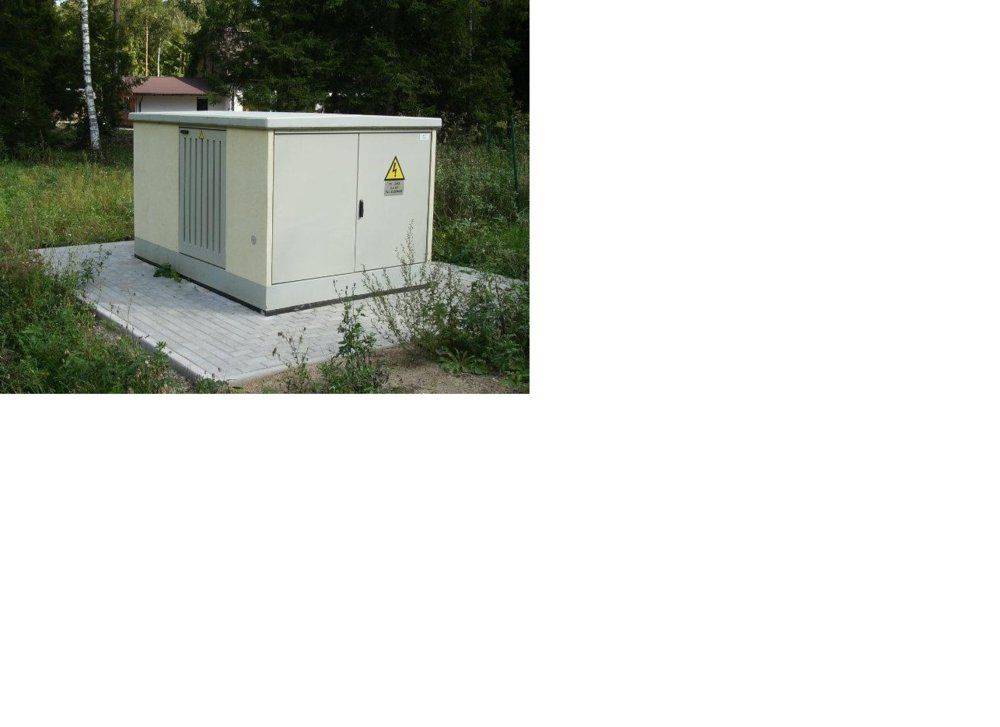
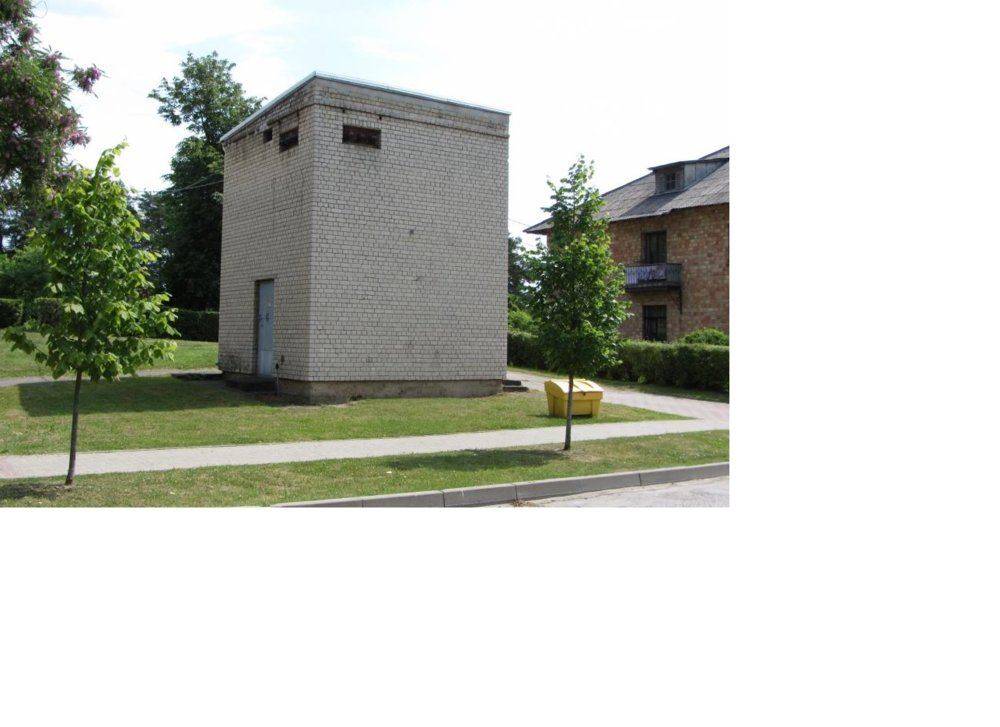
This helps kind of because as long as you trim the trees under the large HV lines the low voltage lines usually supply only small local regions and the city low voltage lines feed off directly from the large HV ones via local substations so basically as long as the main large ones are intact the cities are fine and most rural countryside is fine also.
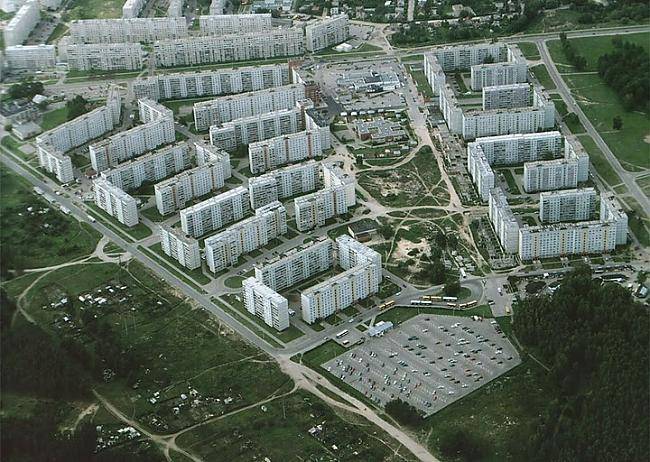
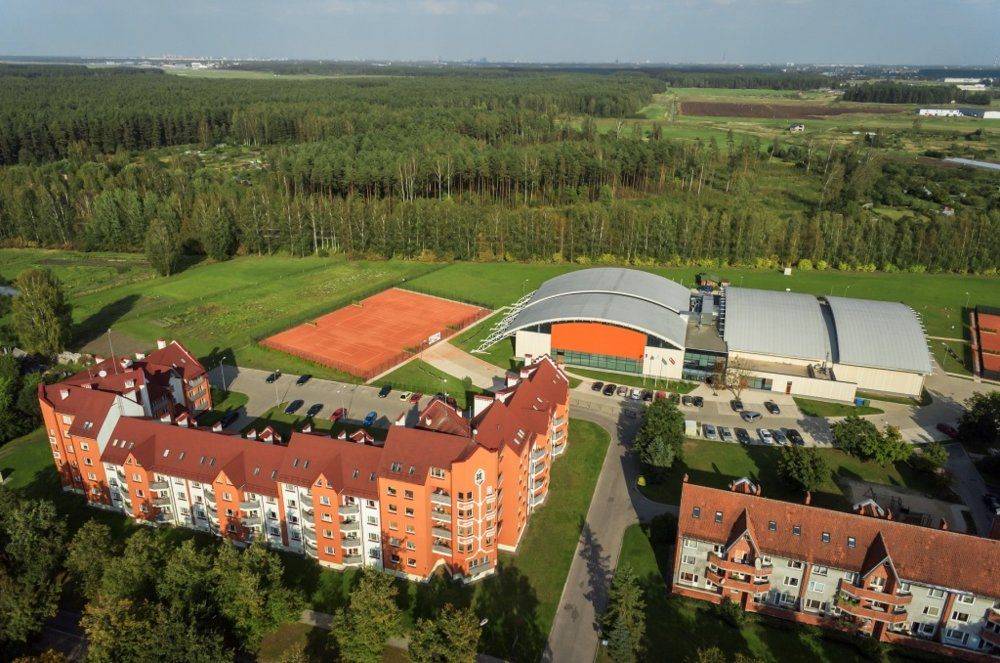
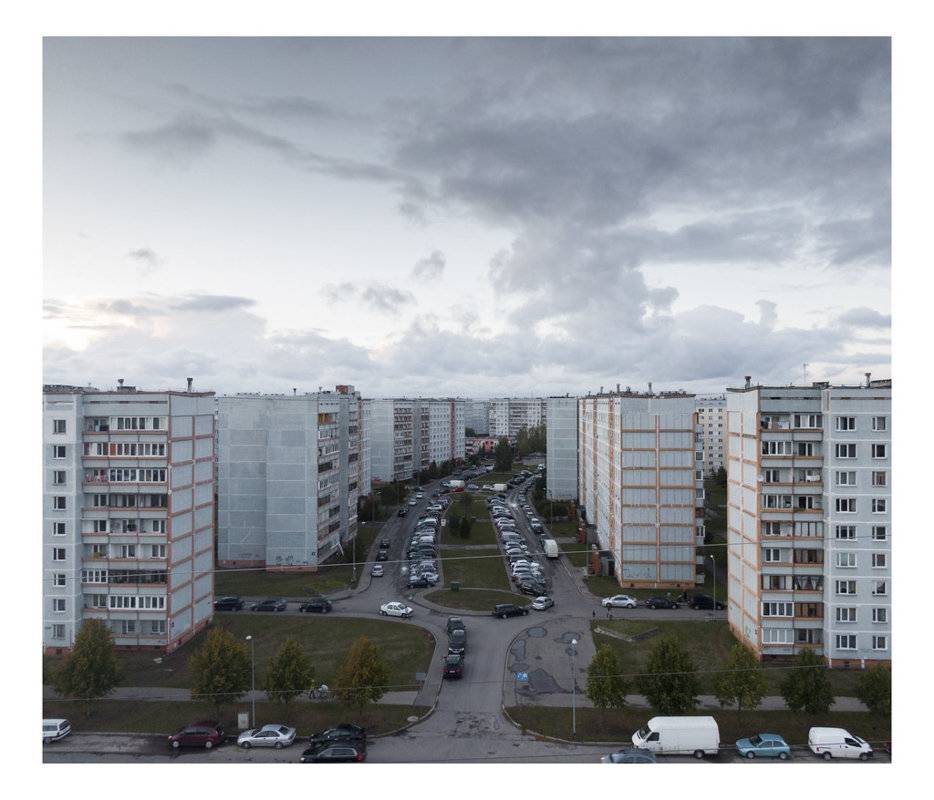
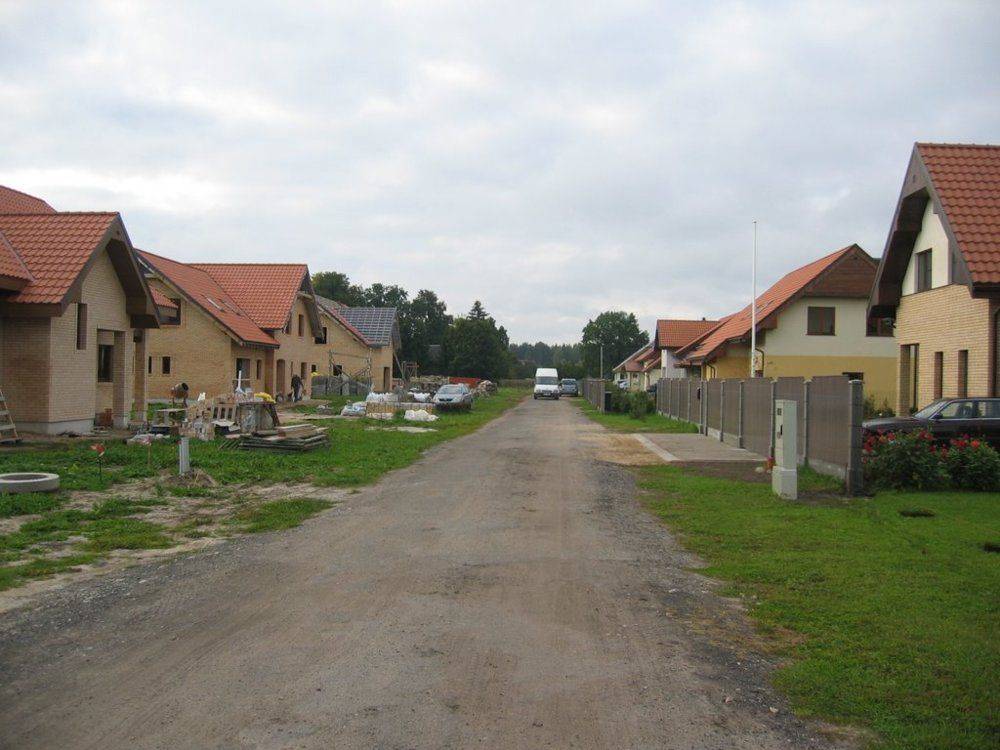
I understand why in the US it might be different because we had communism while you had capitalism , that means that back in the day (1950's etc) we built massive "socialist" reinforced concrete jungle blocks with all wires underground while you built private houses and whole neighborhoods of them and back at that time it was still preferred to use wires on poles in those areas, while in our case we couldn't have used wires on poles for these big buildings. In my country we only started building private houses after 1990's after the breakup of USSR and by that time the technology was such that all cables were buried underground. Back in the USSR only a few were allowed to build private houses, and both policy as well as cultural trend was to live in large city buildings rather than in private houses.
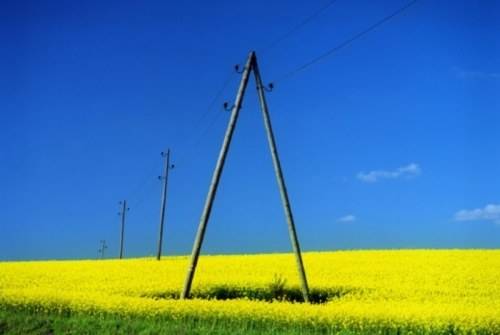
I have attached few images of how an ordinary city here looks like as well as residential private house neighborhoods.
I would love to hear some info about how distribution and infrastructure is built in say California and what type of housing dominates the area in terms of where most of Californians live? (I would imagine private housing)

In my country since we "joined voluntarily" the USSR in the first half of the 20th century, history went like this, before WW2 we had mostly old few story city blocks with wires underground already and then mostly rural private houses with wires above ground, then in the 1950's and 60's the USSR developed a very aggressive electrification policy (after all the socialist kingdom couldn't be complete without modern wonders)
apart from building power plants they built a lot of HV and LV infrastructure and it went like this, all HV lines like (750, 330, 110, 20 kV) were on poles and above ground mostly except from places were cable was needed, then most of LV below 20kV was buried underground in cities with the only exception in rural areas and countryside small scale factories.
This helps kind of because as long as you trim the trees under the large HV lines the low voltage lines usually supply only small local regions and the city low voltage lines feed off directly from the large HV ones via local substations so basically as long as the main large ones are intact the cities are fine and most rural countryside is fine also.
I understand why in the US it might be different because we had communism while you had capitalism , that means that back in the day (1950's etc) we built massive "socialist" reinforced concrete jungle blocks with all wires underground while you built private houses and whole neighborhoods of them and back at that time it was still preferred to use wires on poles in those areas, while in our case we couldn't have used wires on poles for these big buildings. In my country we only started building private houses after 1990's after the breakup of USSR and by that time the technology was such that all cables were buried underground. Back in the USSR only a few were allowed to build private houses, and both policy as well as cultural trend was to live in large city buildings rather than in private houses.
I have attached few images of how an ordinary city here looks like as well as residential private house neighborhoods.
I would love to hear some info about how distribution and infrastructure is built in say California and what type of housing dominates the area in terms of where most of Californians live? (I would imagine private housing)
