Fix Paint Damage After Removing Foam: Tips & Advice

  • Thread starter Thread starter fitz_calc
  • Start date Start date
  • Tags Tags
    Paint Wall
Join the discussion
Ask a follow-up here, or get your own question answered by working scientists, mathematicians and engineers — people, not an autocomplete.
Real named experts · corrections over time · the nuance an AI answer skips
11 replies · 3K views
fitz_calc
Messages
41
Reaction score
0
A lot of you seem like the "handy" type so maybe you can give me some advice. A friend of my had some acoustic foam on his wall (with spray-on adhere stuff), removed the foam, and now some foam is stuck and in other spots some of the paint was removed.
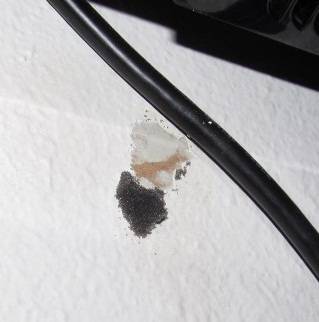
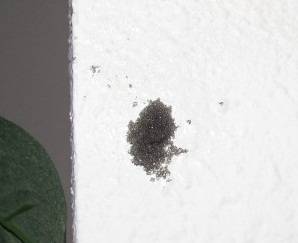
YqJbtOH.jpg

ShE0sOO.jpg


1. How should I remove the remaining foam without damaging the paint?
2. The spots that are missing paint due to foam removal, what's the best way to repair?

Thank you for your help :)
 
Last edited:
Physics news on Phys.org
If it were me I would just pull or scrape or whatever is needed to remove the foam with the minimum damage and then repaint.
 
Same. Scrape everything off, grab a sample square of the paint from an affected area so you can get the paint mixed to the proper color, sand the affected areas, and re-paint.
 
Sometimes heat will soften adhesive. A woman's hair dryer might be just the ticket for removing the remainiing foam.

That looks like a textured wall.
The fellows at your local lumberyard can suggest suitable repair products.
There's textured paint in spray cans now, and something called "knockdown".

Three words men fear most are "I don't know". Go in your lumberyard and ask for their help. They'll not think less of you..


old jim
 
jim hardy said:
Sometimes heat will soften adhesive. A woman's hair dryer might be just the ticket for removing the remainiing foam.
What's wrong with using a man's hair dryer?

Heat could be a good idea, perhaps try dampening it as well. Steamers are a good way of getting most things off walls. For the blank spaces so long as there's no damage underneath (broken plaster for example) just touch them up with a small pot of paint.
 
This stuff has always worked wonders for me. If you do try it, do a test area first.

https://www.amazon.com/dp/B0041LY4MY/?tag=pfamazon01-20
 
Last edited by a moderator:
Excellent ideas, thanks all for the help!
 
WD 40 has a good record for removing adhesives and gunk from just about anything.
 
fitz_calc said:
A lot of you seem like the "handy" type so maybe you can give me some advice. A friend of my had some acoustic foam on his wall (with spray-on adhere stuff), removed the foam, and now some foam is stuck and in other spots some of the paint was removed.

YqJbtOH.jpg

ShE0sOO.jpg


1. How should I remove the remaining foam without damaging the paint?
2. The spots that are missing paint due to foam removal, what's the best way to repair?

Thank you for your help :)
Gently brush some turp's or similar solvent onto the foam and "melt" it off. Simple's!
 
Just use WD 40. Soak it in, it'll start to dissolve the foam and the goo.
 
Ryan_m_b said:
What's wrong with using a man's hair dryer?

Aha nice catch...

Frame of reference problem here -

i am of an industrial workshop mindset where the term "Hair Dryer" is mis-applied.
It's slang, how we refer to an 'industrial heat gun' used for shrink tubing.
This one weighs five pounds and will ignite charcoal.

4Z714_AS01?$productdetail$.jpg


Tim Allen or Red Green would call it a "man's hair dryer"...
The resemblance to a woman's hair dryer is apparent.
But this one would quickly melt styrofoam and likely set it afire.

I hope above is a satisfactory explanation for my genderizing the term .

old jim
 
WD40 will likely leave residue to which your touch-up paint won't adhere. Test it somewhere inconspicuous..Veli's turpentine might work and has a pleasant piney smell.
Beware of solvents like acetone that attack the styrofoam, you'll get a real mess.

I'd try rubbing alcohol to soften the adhesive, but first open all the doors & windows.
You don't want explosive vapors of any sort to build up.
They are generally heavier than air and will collect on floor or in basement. Ventilate!