Gold Member
- 9,730
- 11,884
16, 17, 18th
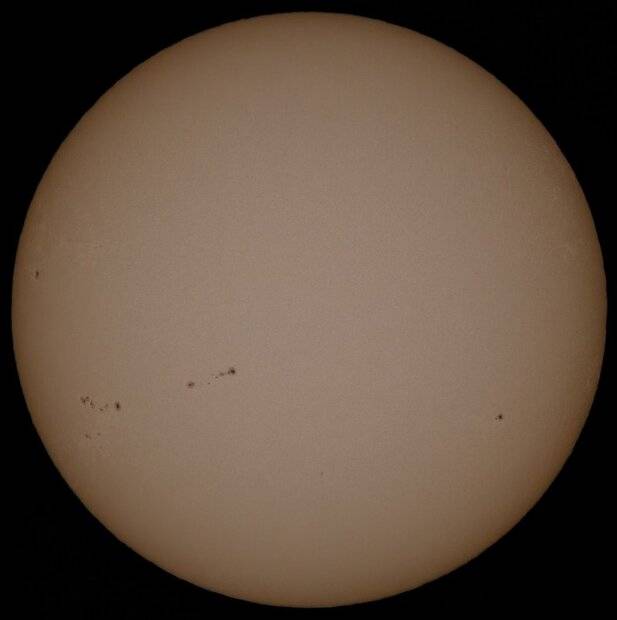
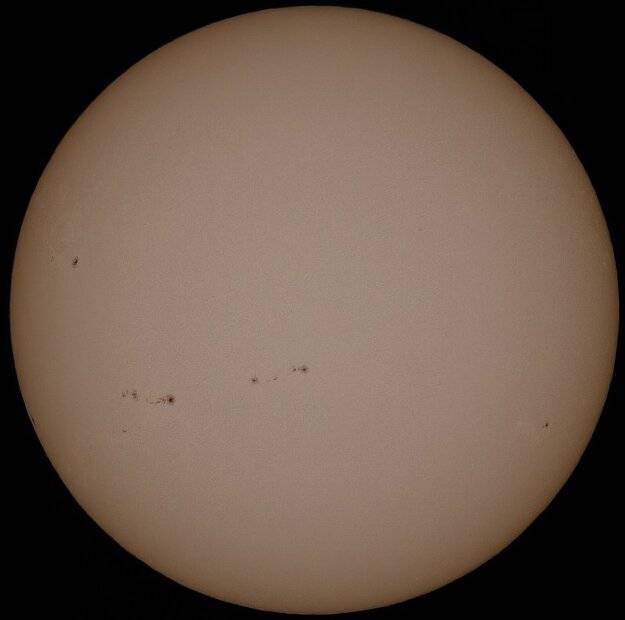
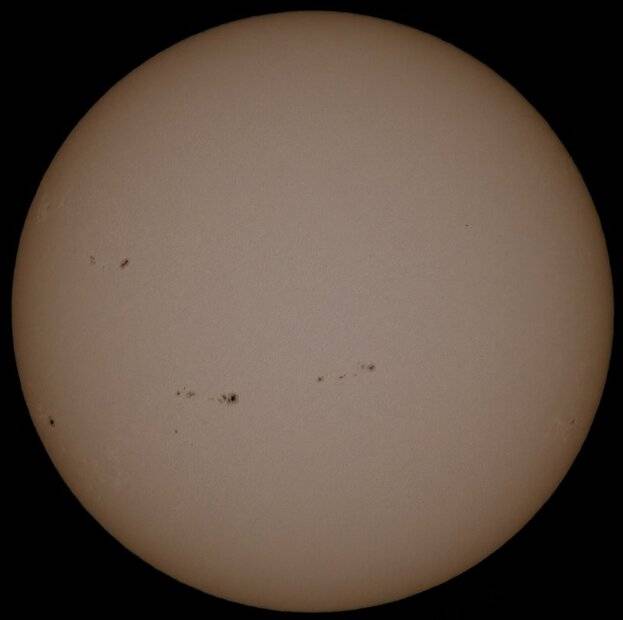
DaveE said:He quickly learned to just say "93 million miles!", which they thought was very impressive.
DaveE said:Nice photos.

Explanation: Why is our Sun so active now?No one is sure. An increase in surface activity was expected because our Sun is approaching solar maximum in 2025.However, last month our Sun sprouted more sunspots than in any month during the entire previous 11-year solar cycle -- and even dating back to 2002.The featured picture is a composite of images taken every day from January to June by NASA's Solar Dynamic Observatory. Showing a high abundance of sunspots, large individual spots can be tracked across the Sun's disk, left to right, over about two weeks. As a solar cycle continues, sunspots typically appear closer to the equator. Sunspots are just one way that our Sun displays surface activity -- another is flares and coronal mass ejections (CMEs) that expel particles out into the Solar System.Since these particles can affect astronauts and electronics, tracking surface disturbances is of more than aesthetic value. Conversely, solar activity can have very high aesthetic value -- in the Earth's atmosphere when they trigger aurora.


DiamondTiara said:Sun on September 21st, 2023. I used my Celestron Omni AZ 102 telescope with white light filter. This was before I replaced that telescope. Taken with phone camera.
Dave


