How to calculate symmetry factor of Feynman graphs?

Click For Summary
Calculating symmetry factors for Feynman graphs involves identifying interchangeable elements, such as the legs of vertices, and applying a factor of 2 for each pair that can be swapped without changing the overall diagram. The discussion highlights the importance of understanding Wick's theorem and field contractions, as they provide a systematic way to derive these factors. Specific examples from attached diagrams illustrate how to determine symmetry factors, emphasizing that certain swaps yield identical interaction terms. The complexity of the topic suggests that visual aids and direct instruction may be necessary for deeper understanding. Engaging with instructors or additional resources is recommended for clarity on this intricate subject.
kau
Messages
53
Reaction score
0
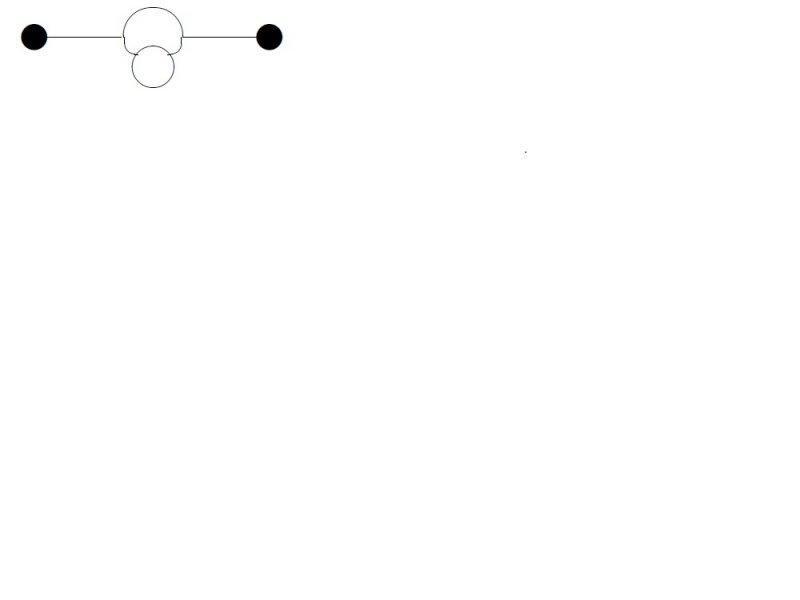
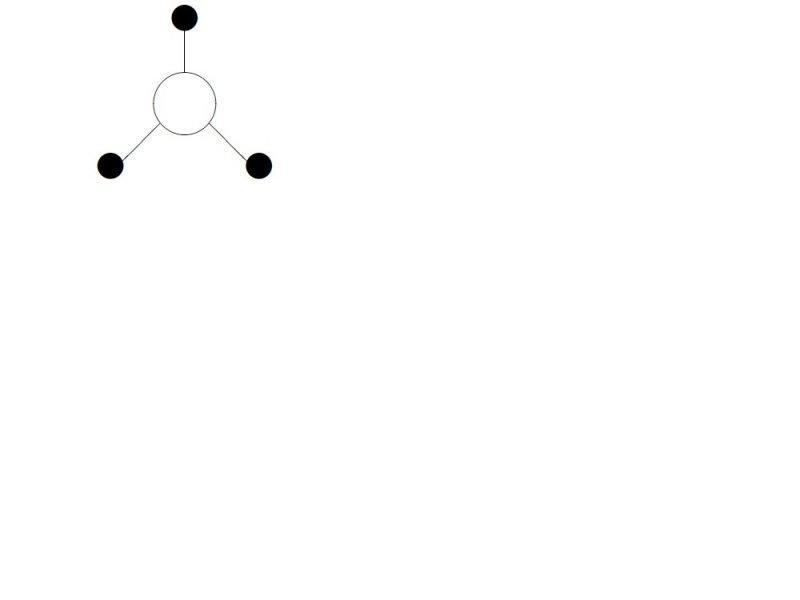
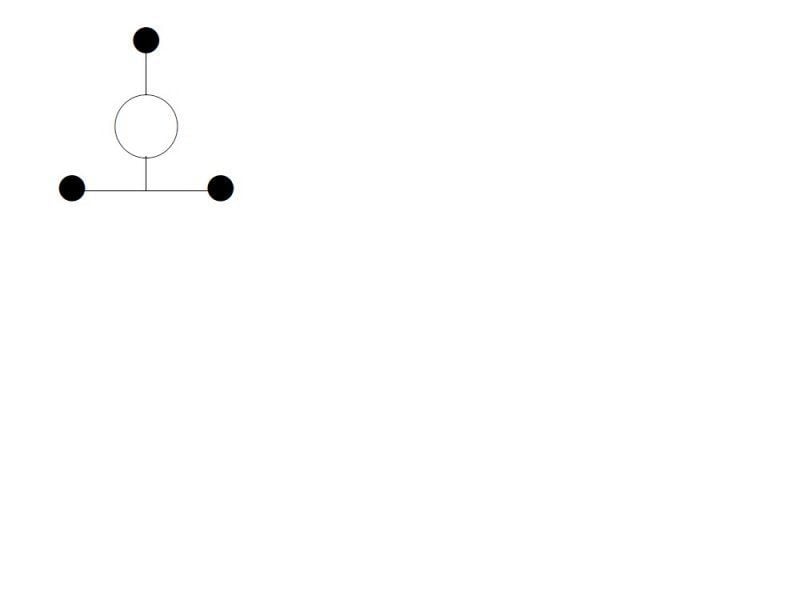
I am reading Srednicki's book and I am stuck at this point of calculating symmetry factors for Feynman's Graph in the context of dealing with interacting scalar field. First of all my question is what is the standard procedure to calculate it. The way Srednicki has talked about it is that if interchanging any two things match with any other swapping then we should take into account factor 2 for each of that case. First of all I didn't understand what does it mean to interchange two legs of vertices. which part is called leg of a vertex? alright then consider the four diagrams I have attached below. And explain me the factors in each case using the kind of arguments like swapping this and that and so on. then answer these ques.. In the first diagram can I swap all three sources?? in the third diagram can I swap the lower two parts of the big bubble which is holding the lower loop?? Please help me. thanks.
e 3.jpg

e 4.jpg
e2.jpg
e 3 s.jpg
 
Physics news on Phys.org
For example the:
https://www.physicsforums.com/attachments/e-4-jpg.73744/
has symmetry factor =2
One way to determine symmetry factors is by using the Wick's theorem and field contractions. The rules then come out naturally after you get used in using that correctly...
You can understan it's 2 because 2 diagrams give exactly the same interaction term...
if you name the vertices A and B in that picture, whether you bring the two left external legs to A and the right to B, or bring the left to B and the right to A you get the same term...

I don't know the way of path integrals... but you can search for "vertices derivatives and symmetry factors" and find some results that can help you personally.
 
Last edited:
kau said:
I am reading Srednicki's book and I am stuck at this point of calculating symmetry factors for Feynman's Graph in the context of dealing with interacting scalar field. First of all my question is what is the standard procedure to calculate it. The way Srednicki has talked about it is that if interchanging any two things match with any other swapping then we should take into account factor 2 for each of that case. First of all I didn't understand what does it mean to interchange two legs of vertices. which part is called leg of a vertex? alright then consider the four diagrams I have attached below. And explain me the factors in each case using the kind of arguments like swapping this and that and so on. then answer these ques.. In the first diagram can I swap all three sources?? in the third diagram can I swap the lower two parts of the big bubble which is holding the lower loop?? Please help me. thanks.
This is extreamly tedious business to explain in here. See the pdf below. If this does not help you, then you should ask your instructor to explain it to you. One really needs 2-3 blackboards for that :)
 

Attachments

Similar threads

  • · Replies 2 ·
Replies
2
Views
2K
  • · Replies 3 ·
Replies
3
Views
2K
Replies
2
Views
2K
  • · Replies 8 ·
Replies
8
Views
2K
  • · Replies 1 ·
Replies
1
Views
2K
  • · Replies 4 ·
Replies
4
Views
3K
  • · Replies 2 ·
Replies
2
Views
2K
  • · Replies 2 ·
Replies
2
Views
2K
  • · Replies 3 ·
Replies
3
Views
2K
  • · Replies 1 ·
Replies
1
Views
3K