SUMMARY
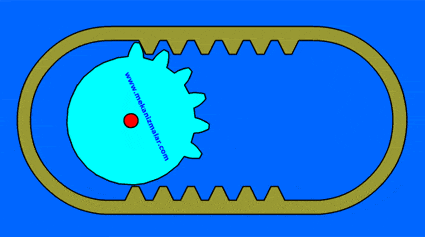
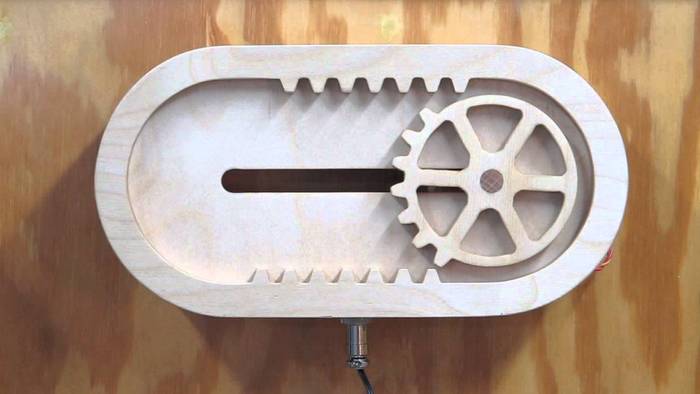
This discussion focuses on calculating motor specifications for a reciprocating rack and pinion design intended for cutting applications. Key factors include determining the required cutting power, which is calculated as the product of cutting torque and cutting RPM. The conversation highlights the importance of considering the limitations of using plywood as a construction material, including fatigue and failure rates, and emphasizes the need for a well-defined design plan that outlines cutting tools and materials suitable for a reciprocating cutter.
PREREQUISITES
- Understanding of cutting power calculations in mechanical design
- Familiarity with torque and RPM concepts in motor specifications
- Knowledge of material properties, specifically plywood, in machine design
- Basic principles of reciprocating motion mechanics
NEXT STEPS
- Research cutting power calculations for various materials using online resources
- Explore the mechanical properties and limitations of plywood in machine design
- Learn about suitable cutting tools for reciprocating drive systems
- Investigate safety margins and fatigue considerations in mechanical engineering
USEFUL FOR
Mechanical engineers, hobbyists designing cutting machines, and anyone involved in the construction of reciprocating motion systems will benefit from this discussion.