Identifying the End of a Rayleigh Wave Train on Seismograms

Join the discussion
Registration is free. Start your own thread to ask a follow-up.
2 replies · 3K views
polekitten
Messages
5
Reaction score
0
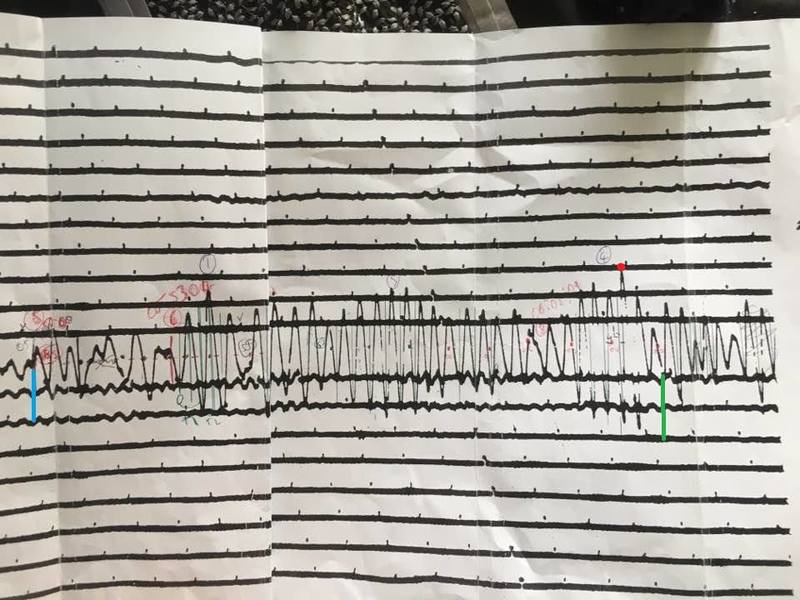
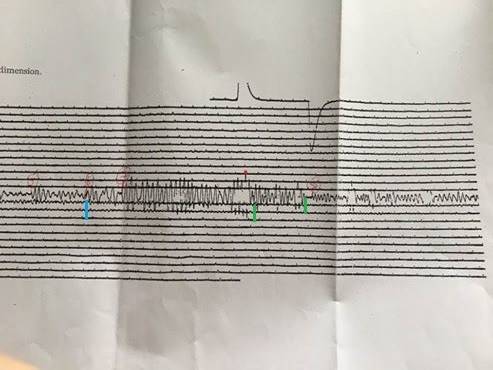
How can you tell where a dispersed Rayleigh wave train ends...? Is there a way to identify the end of a Rayleigh wave train on the following teleseismic records?

The first shows the full surface wave train, the second is zoomed in but cuts off the final part of the original including the last green line. The red marks show the same cycle on both trains, the blue shows where I believe the LR waves first arrive and the green show 2 possible end points of the LR wave train... there may be a better end point).
Rayleigh.jpg

Rayleigh (zoomed).jpg
 
Earth sciences news on Phys.org
jim mcnamara said:
@davenn is our seismograph guy. Perhaps he can help.

Hi Jim and @polekitten

I have been pondering this thread since I first saw it several days ago and trying to think of a good answer :wink:

To polekitten, my first thoughts are still... " why do you think that the Love and Rayleigh waves should just suddenly stop rather than slowing tailing off in the coda ?
I haven't found anything in my searching of various seismogram interpretation doc's that states one way or the other. But my own expectation is that they just tail off

This is, of course, very different to the P and S waves which pass by the observer as brief pulses lasting maybe 10 - 20 sec. The surface waves are more spread out.

I am going to keep reading to see if I can find anything definitive ... maybe you could continue to do the same research and see of one of us can find some answers :smile:

Not sure if we have any other experienced seismogram guys on the forum
I have been at it for many years, but don't deem myself an expert by a longshot haha ... as in it isn't my day job :wink:

Dave
 
Last edited: