Discussion Overview
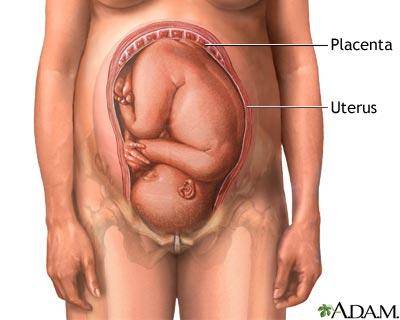
The discussion revolves around the various positions a fetus can occupy inside the uterus during pregnancy, including the implications of these positions for birth and development. Participants explore different fetal orientations, their changes over time, and the impact of gravity on these positions.
Discussion Character
- Exploratory
- Technical explanation
- Conceptual clarification
- Debate/contested
Main Points Raised
- Some participants suggest that both the images presented in the discussion can be correct, as the fetus can rotate and adopt various positions.
- Others note that babies can be in multiple positions, including breech and posterior, during birth, with some sharing personal experiences of their own births.
- It is mentioned that at term, fetuses typically adopt one of several common positions, with left and right occipitoanterior being the most frequent.
- Several participants highlight the fetus's ability to change orientation multiple times during development, raising questions about the necessity of these movements for normal development.
- There are references to studies on fetal development under microgravity conditions, suggesting that gravity may influence fetal orientation and development.
- Some participants express caution regarding the extrapolation of bioreactor studies to real gravitational effects, emphasizing the complexity of environmental influences on development.
- Humorous anecdotes about space travel and the challenges of microgravity are shared, illustrating the less glamorous aspects of scientific research in space.
Areas of Agreement / Disagreement
Participants generally agree that fetuses can occupy multiple positions and change orientation during development. However, there are competing views regarding the implications of these movements and the role of gravity, leading to an unresolved discussion on the necessity and impact of fetal orientation.
Contextual Notes
Limitations include the lack of consensus on the necessity of fetal movements for development and the challenges in separating the effects of gravity from other environmental factors in studies.