thebosonbreaker
- 32
- 5
This probably has a very simple explanation, but I really need to know!
What I really want to know is, is there any equation that relates the number of oscillations to other factors such as length, force applied, etc. to a simple plastic desk ruler (image attached)?
(or) if there isn't one, how would I formulate an equation for it?
What I mean is that, if I hold one end down on the table and hold the other end down on the edge and then let it go, is there an equation that would tell me the number of times it moved up and down (oscillated) given other factors.
I have tried other equations, such as ( T = 2π × √(L/g) ) but the answer's don't make much sense. Although, I didn't really have any initial hope because most of them are for pendulums, not rulers.
I would really appreciate it if someone could help me.
Many thanks in advance.
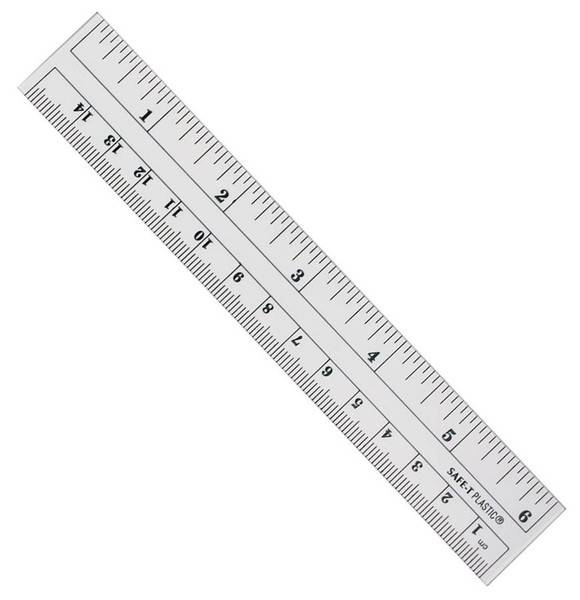
What I really want to know is, is there any equation that relates the number of oscillations to other factors such as length, force applied, etc. to a simple plastic desk ruler (image attached)?
(or) if there isn't one, how would I formulate an equation for it?
What I mean is that, if I hold one end down on the table and hold the other end down on the edge and then let it go, is there an equation that would tell me the number of times it moved up and down (oscillated) given other factors.
I have tried other equations, such as ( T = 2π × √(L/g) ) but the answer's don't make much sense. Although, I didn't really have any initial hope because most of them are for pendulums, not rulers.
I would really appreciate it if someone could help me.
Many thanks in advance.