Discussion Overview
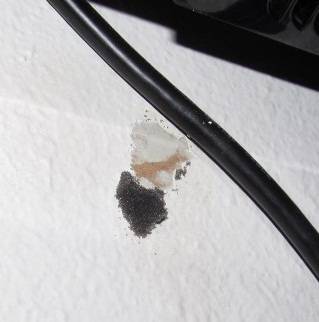
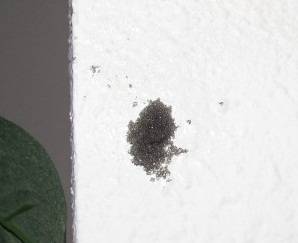
The thread discusses methods for removing remaining foam and repairing paint damage after acoustic foam has been removed from a wall. Participants share various techniques and products that may help in this process, focusing on both the removal of adhesive and the repair of paint.
Discussion Character
- Exploratory
- Technical explanation
- Debate/contested
Main Points Raised
- Some participants suggest scraping or pulling the foam off while minimizing damage, followed by repainting the affected areas.
- Others propose using heat, such as a hair dryer or steamer, to soften the adhesive for easier removal.
- One participant mentions the use of WD-40 as an effective adhesive remover, while cautioning about potential residue affecting paint adhesion.
- Another participant recommends turpentine or rubbing alcohol as alternatives for softening adhesive, emphasizing the need for ventilation due to flammable vapors.
- There is a discussion about the terminology of "hair dryer," with one participant clarifying their reference to an industrial heat gun.
- Some participants express the importance of testing any solvent or adhesive remover on a small area first to avoid further damage.
Areas of Agreement / Disagreement
Participants express a variety of methods for removing foam and repairing paint, with no consensus on a single best approach. Different opinions on the effectiveness and safety of various products and techniques are present.
Contextual Notes
Participants highlight the importance of testing products on inconspicuous areas and the need for proper ventilation when using solvents. There are also concerns about the potential for certain solvents to damage underlying materials.
Who May Find This Useful
Individuals looking for practical advice on home repair, particularly those dealing with adhesive removal and paint touch-up after foam installation.