Discussion Overview
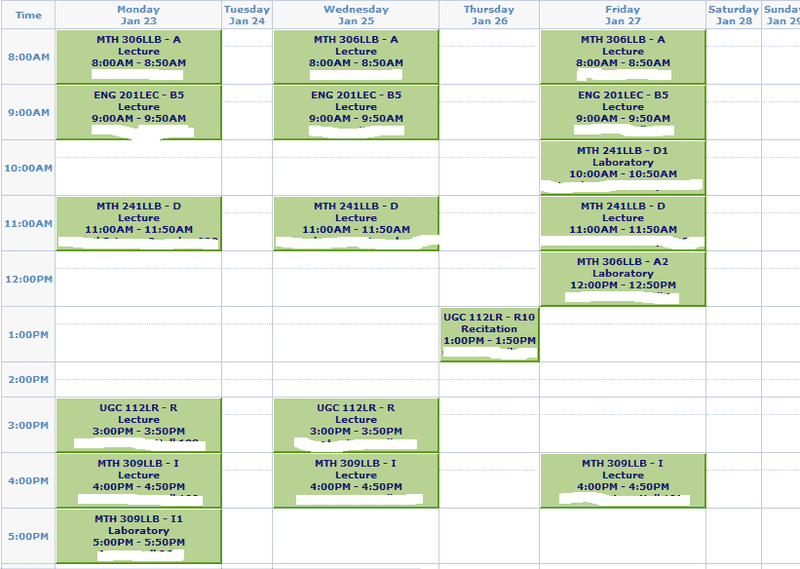
The discussion revolves around a freshman math major's decision to take three math classes simultaneously in the spring semester. Participants explore the feasibility of this course load, share personal experiences, and discuss the implications of course prerequisites and academic advising.
Discussion Character
- Debate/contested
- Exploratory
- Technical explanation
Main Points Raised
- Some participants argue that taking three math classes is not insane and may even be manageable, depending on the workload of the courses.
- Others suggest that taking one of the classes over the summer could be a safer option.
- Concerns are raised about the nature of the "Introduction to Linear Algebra" course, specifically whether it is proof-based.
- Participants discuss the typical course load for math majors, noting that taking multiple math courses at once is common in graduate studies.
- One participant shares their experience of taking a heavier course load in their undergraduate years, suggesting that balance and sanity are important considerations.
- There is a discussion about the differences in course requirements across institutions, particularly regarding proof-based versus survey courses in linear algebra and differential equations.
Areas of Agreement / Disagreement
Participants generally agree that taking three math classes is not unreasonable, but there is no consensus on the best approach to managing the workload or the necessity of proof-based courses. Multiple competing views on course requirements and advising practices are present.
Contextual Notes
Limitations in the discussion include varying definitions of what constitutes proof-based courses, differences in institutional requirements, and the subjective nature of course difficulty. Some participants express regret over their own course choices, indicating that experiences may vary widely.
Who May Find This Useful
Freshman math majors, academic advisors, and students considering similar course loads may find the insights and shared experiences relevant to their own academic planning.