Luchekv
- 65
- 1
Hi guys,
The problem isn't with the question itself its more to do with the fact about how they got Z and R. Just need some clarification.
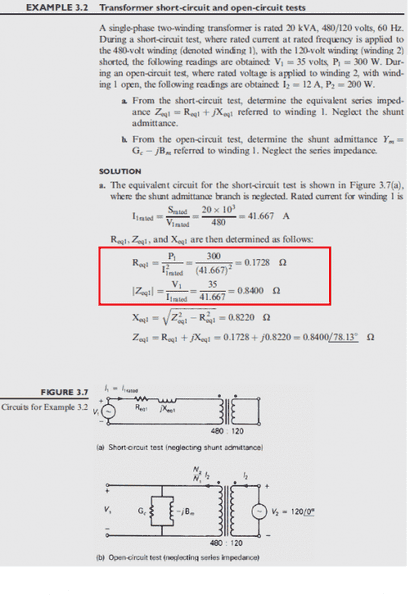
In every other AC power question. I have always worked out impedance with whatever parameters I had be it P/I^2 or V/I. I'm confused as to what the difference here is? Now I'm being thrown off and don't know what I'm calculating in other questions :S
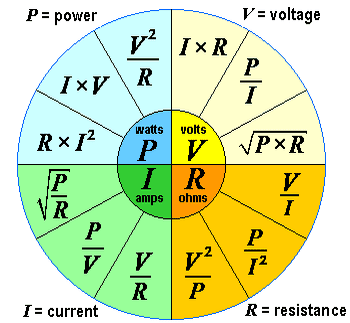
Both of those formulas work out 'R' as can be seen here..so why are they getting two different numbers?
Thank you in advance guys
The problem isn't with the question itself its more to do with the fact about how they got Z and R. Just need some clarification.
In every other AC power question. I have always worked out impedance with whatever parameters I had be it P/I^2 or V/I. I'm confused as to what the difference here is? Now I'm being thrown off and don't know what I'm calculating in other questions :S
Both of those formulas work out 'R' as can be seen here..so why are they getting two different numbers?
Thank you in advance guys