Discussion Overview
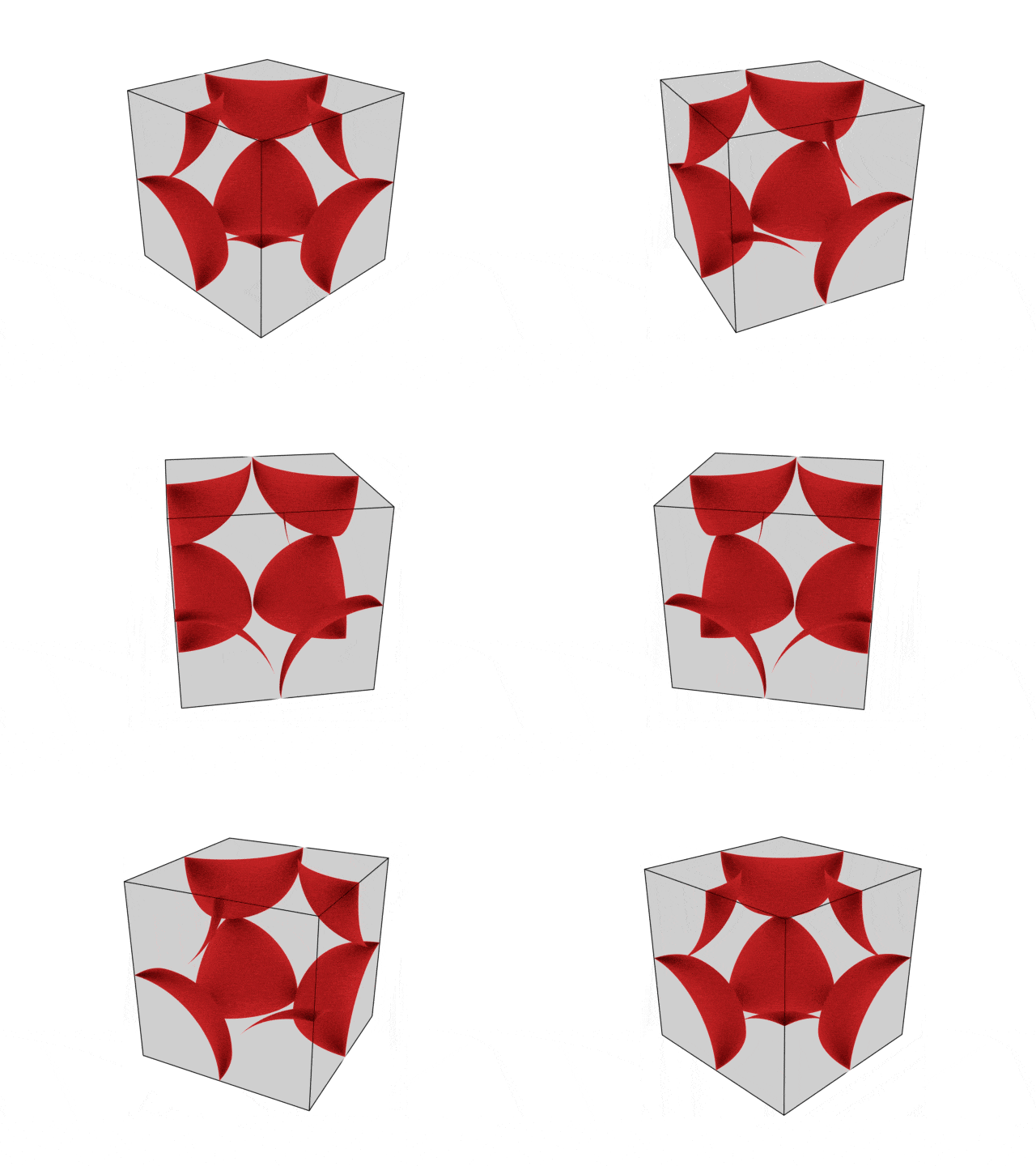
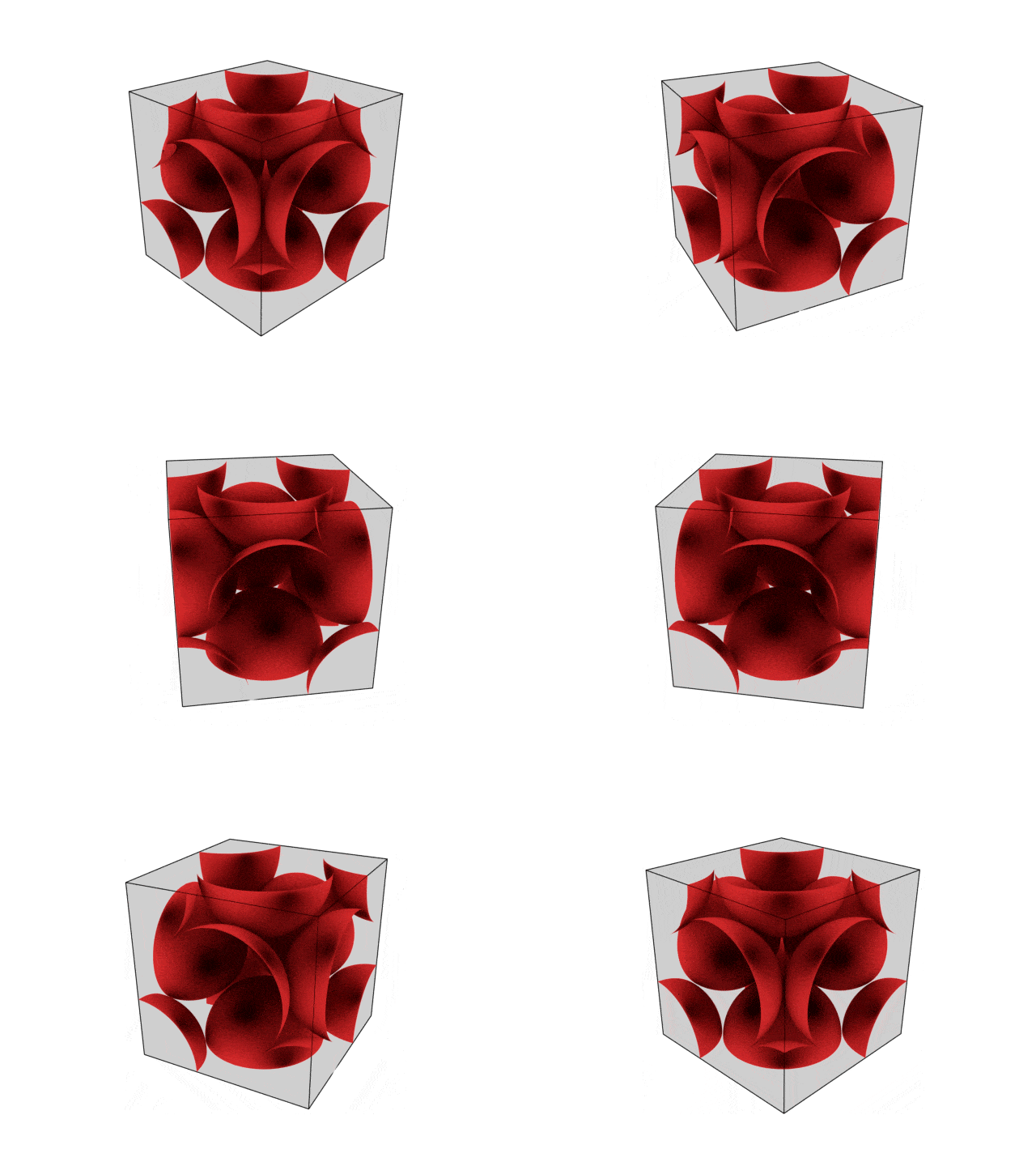
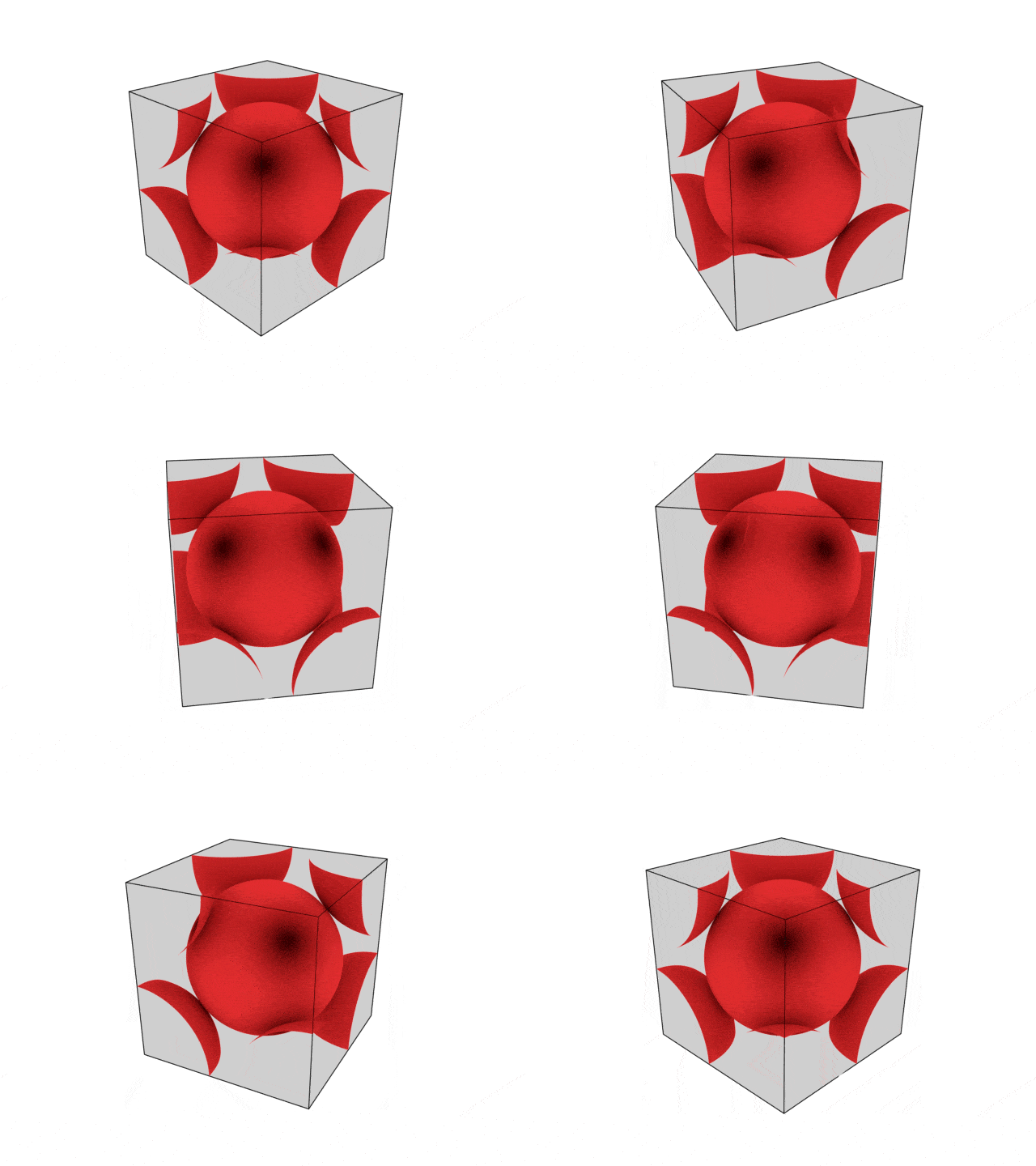
The discussion revolves around the representation of crystalline structures in three dimensions, exploring the effectiveness of visual aids for enhancing understanding in educational contexts.
Discussion Character
- Exploratory, Technical explanation, Conceptual clarification
Main Points Raised
- One participant created a 3D representation of crystalline structures and seeks feedback on its accuracy and helpfulness.
- Another participant praises the 3D representation, specifically noting the utility of the transparent internal walls of the spheres.
- A suggestion is made to use software like xcrysden or Quantumwise's Virtual NanoLab for a broader exploration of different crystal structures.
- A question is raised regarding whether the type of element (e.g., carbon vs. alumina) influences the representation of crystalline structures.
Areas of Agreement / Disagreement
Participants express varying opinions on the effectiveness of the 3D representation, with some appreciating it while others suggest alternative tools. The discussion includes a question about the influence of elemental composition on crystalline representation, indicating a lack of consensus.
Contextual Notes
The discussion does not clarify the specific criteria for accuracy in the 3D representations, nor does it address the assumptions underlying the effectiveness of different visualization tools.
Who May Find This Useful
Students and educators interested in visualizing crystalline structures, as well as those exploring software tools for modeling and understanding crystal formations.