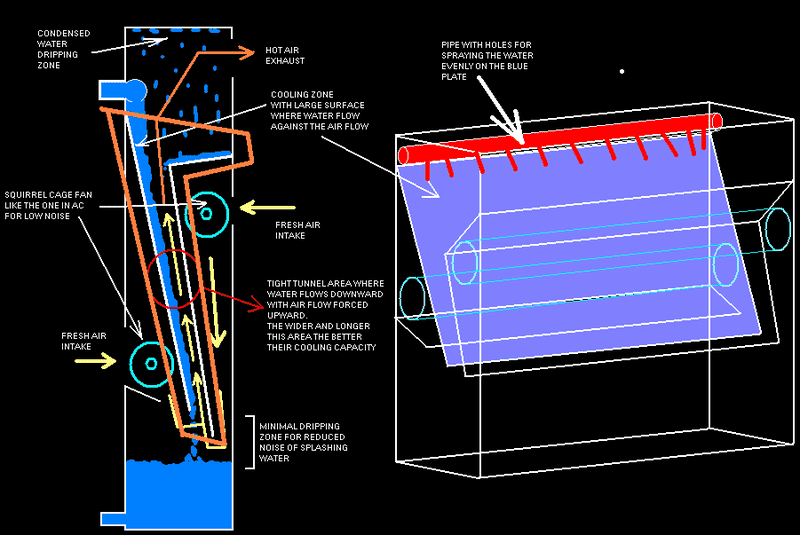
Discussion Overview
The discussion centers on selecting the best type of metal sheet for water-carrying projects, focusing on material properties, flexibility, and cost considerations. Participants explore options such as aluminum and other metals, as well as practical approaches for bending and sourcing materials.
Discussion Character
- Exploratory
- Technical explanation
- Debate/contested
- Experimental/applied
Main Points Raised
- One participant inquires about the flexibility of annealed and "dead soft" metals, expressing uncertainty about their suitability for supporting water flow.
- Another suggests sourcing sheet metal from recycling facilities, highlighting the potential for low-cost options from old appliances and the practicality of bending techniques without specialized tools.
- A participant recommends a thickness of approximately .050" for purchased metal, indicating that thinner sheets may lack structural integrity while thicker sheets could be difficult to bend.
- It is mentioned that annealed aluminum can be reasonably easy to bend by hand, with a suggested method for achieving clean folds using clamps and leverage.
Areas of Agreement / Disagreement
Participants express varying opinions on the best metal to use, with no consensus on a single optimal choice. There are differing views on the practicality of bending techniques and material sourcing, indicating an unresolved discussion.
Contextual Notes
Participants do not fully agree on the best type of metal or the most effective bending methods, and there are assumptions regarding the availability of materials and tools that may not apply universally.
Who May Find This Useful
This discussion may be of interest to hobbyists or professionals involved in DIY projects, particularly those focused on constructing water-carrying systems or working with metal sheets.