SUMMARY
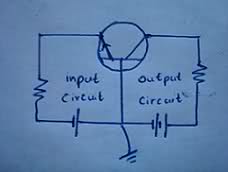
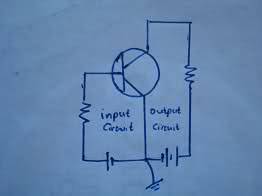
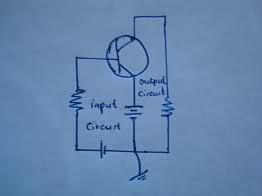
Circuit grounding serves multiple purposes, including providing a zero potential reference point, enhancing safety, and reducing electromagnetic interference. Ground connections may not always link to the Earth but can connect to a chassis or represent common power supply rails. Practical applications of grounding include shielding from noise, ensuring safety in AC mains circuits, and facilitating accurate voltage measurements across devices. The complexity of grounding in sensitive circuits necessitates careful design to avoid issues like ground loops.
PREREQUISITES
- Understanding of circuit diagrams and symbols
- Familiarity with AC mains voltage safety
- Knowledge of electromagnetic interference and shielding techniques
- Basic principles of voltage and current measurement in circuits
NEXT STEPS
- Research "ground loop" and "phantom loop" issues in circuit design
- Explore safety standards for AC mains grounding
- Learn about single point grounding systems for test equipment
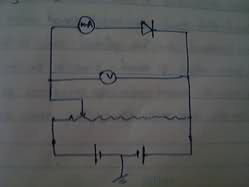
- Study the V-I characteristic curves of diodes and their measurement techniques
USEFUL FOR
Electronics engineers, circuit designers, safety compliance professionals, and students studying electrical engineering will benefit from this discussion on circuit grounding.