SUMMARY
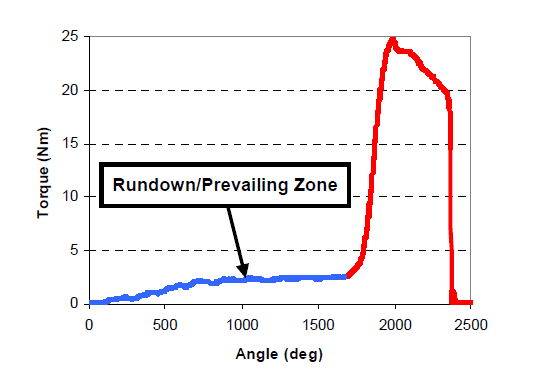
The significance of torque angle in screw applications is critical for ensuring proper fastening and load distribution. The prevailing zone indicates the area where the screw is being torqued into a material, with the red area on the graph representing increased force due to self-tapping mechanisms. The angle of turn, specifically around 6.9 turns, is essential for achieving optimal torque settings and preventing material failure. Understanding these concepts is vital for engineers and technicians working with fastening systems.
PREREQUISITES
- Understanding of torque principles in mechanical engineering
- Familiarity with screw thread types and applications
- Knowledge of self-tapping screws and their mechanics
- Basic grasp of torque measurement tools, such as torque wrenches
NEXT STEPS
- Research the mechanics of self-tapping screws and their applications
- Learn about torque angle specifications in fastening standards
- Explore torque measurement techniques using torque wrenches
- Study the effects of torque on material properties and failure modes
USEFUL FOR
Engineers, technicians, and anyone involved in mechanical assembly or fastening applications will benefit from this discussion, particularly those focusing on screw design and torque specifications.