SUMMARY
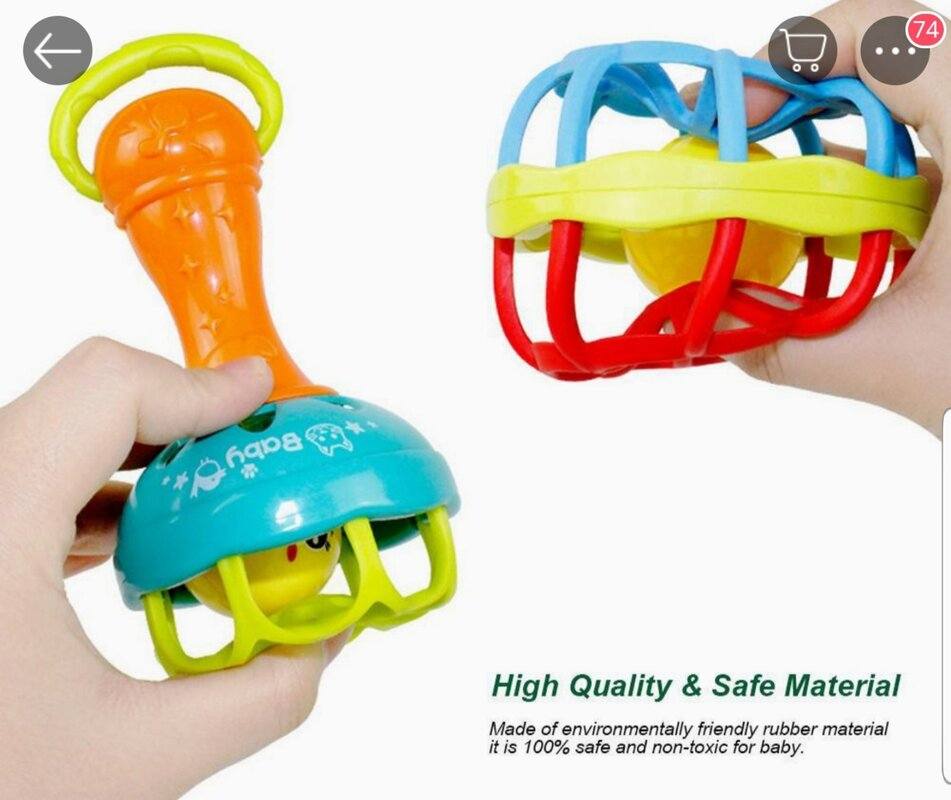
The discussion centers on the ambiguity surrounding the term "Environmentally Friendly Rubber Material" and its implications for safety, particularly concerning toys made in China. Participants emphasize the lack of regulatory oversight in marketing claims related to rubber products, which complicates the identification of specific materials used in these toys. The conversation highlights the need for precise ingredient identification and safety assessments, especially for products intended for infants. A Raman spectrometer was utilized to analyze the rubber, but no matches were found for the spectra, indicating a gap in available data on rubber types.
PREREQUISITES
- Understanding of rubber types, specifically natural rubber and synthetic rubber.
- Familiarity with safety standards for children's toys, particularly in the EU and UK.
- Knowledge of analytical techniques such as Raman spectroscopy.
- Awareness of marketing regulations regarding product labeling and claims.
NEXT STEPS
- Research the various types of rubber, including natural and synthetic varieties, and their safety profiles.
- Investigate the safety regulations for children's toys in the EU and UK, focusing on material safety standards.
- Learn about the principles and applications of Raman spectroscopy in material analysis.
- Explore the implications of marketing claims in product safety, particularly in consumer goods.
USEFUL FOR
This discussion is beneficial for product safety analysts, toy manufacturers, regulatory compliance officers, and parents concerned about the safety of children's toys made from rubber materials.