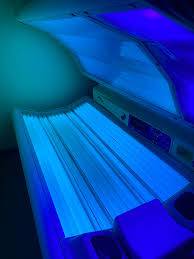
Discussion Overview
The discussion revolves around the power ratings of UV-A tubes used in tanning salons and their application in building a DIY insect trap. Participants explore the wattage of these tubes, the materials needed for lighting them, and safety considerations related to electrical components.
Discussion Character
- Exploratory
- Technical explanation
- Debate/contested
- Experimental/applied
Main Points Raised
- One participant inquires about the wattage of UV-A tubes, suggesting a possibility of 10 watts each.
- Another participant mentions that replacement UV bulbs commonly found online are typically 100 watts, but acknowledges a range of options may exist.
- Multiple participants express interest in building a DIY insect trap using UV-A tubes, specifically requesting information on the necessary electrical components to operate the tubes.
- There is a discussion about the intended application of the insect trap, with one participant describing a design that uses UV light to attract insects and a high voltage grid to eliminate them.
- Concerns are raised about the safety of working with AC mains and the potential costs associated with building a trap compared to purchasing a pre-built unit.
Areas of Agreement / Disagreement
Participants express varying opinions on the cost-effectiveness of building a DIY insect trap versus buying a pre-made one. There is no consensus on the exact wattage of the tubes, as some suggest 100 watts while others mention lower wattages like 40 watts.
Contextual Notes
Participants discuss the need for specific electrical components such as starters and ballasts, but there is uncertainty regarding the exact requirements for safely lighting the UV tubes.
Who May Find This Useful
This discussion may be of interest to individuals looking to understand the specifications and safety considerations of UV-A tubes, as well as those interested in DIY projects related to insect traps.