Discussion Overview
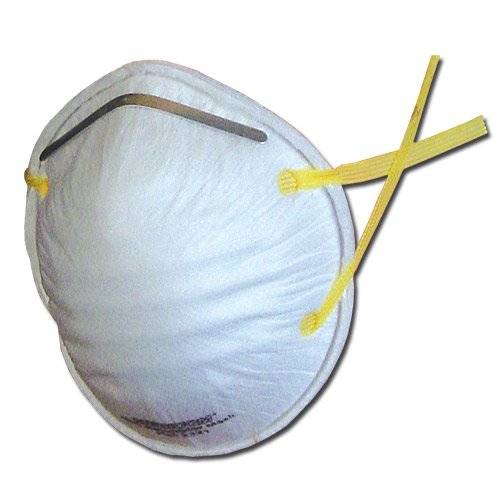
The discussion centers around the effects of wearing N95 masks, specifically regarding the inhalation of exhaled carbon dioxide and the mask's protective capabilities against dust, bacteria, and viruses. Participants explore the functionality of N95 masks, including those with exhalation valves and built-in fans, and their implications for comfort and filtration efficiency.
Discussion Character
- Exploratory
- Technical explanation
- Debate/contested
Main Points Raised
- Some participants suggest that wearing an N95 mask may lead to inhaling exhaled carbon dioxide, but they consider this effect to be insignificant.
- There is discussion about the protective capabilities of N95 masks, with some stating they protect against dust and larger aerosols, while others argue that they do not effectively filter smaller pathogens like bacteria and viruses.
- Participants raise questions about the functionality of N95 masks with exhalation valves, noting that while they may ease exhalation, they could compromise filtration of exhaled air.
- Some participants mention that masks with built-in fans could facilitate inhalation and reduce the rebreathing of exhaled air, although opinions on their usefulness vary.
- Concerns are expressed regarding the residual air volume behind the mask after exhalation and its potential impact on breathing efficiency.
- There are references to scientific literature regarding the filtration capabilities of N95 masks, with some participants asserting that they can filter out bacteria and some viruses.
Areas of Agreement / Disagreement
Participants do not reach a consensus on the effectiveness of N95 masks in filtering pathogens or the significance of inhaling exhaled carbon dioxide. Multiple competing views remain regarding the functionality and benefits of masks with exhalation valves and built-in fans.
Contextual Notes
Participants highlight limitations in understanding the filtration capabilities of N95 masks, particularly regarding the sizes of pathogens and the mechanics of air movement within the mask. There are also unresolved questions about the practical implications of mask design on comfort and efficacy.