SUMMARY
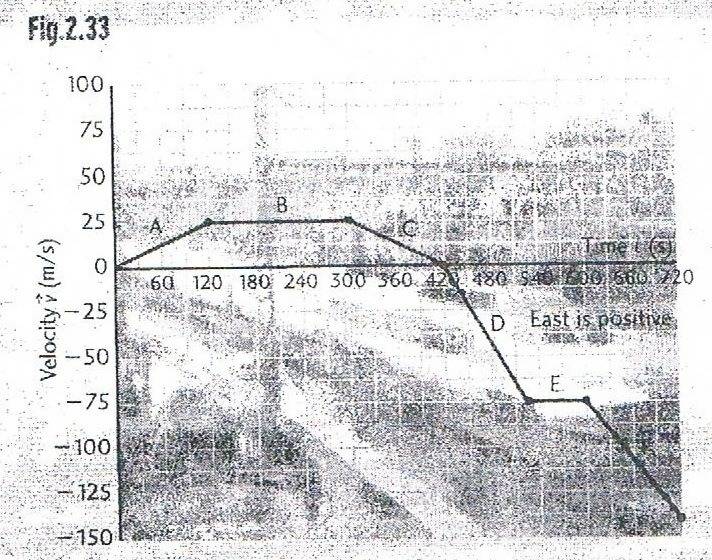
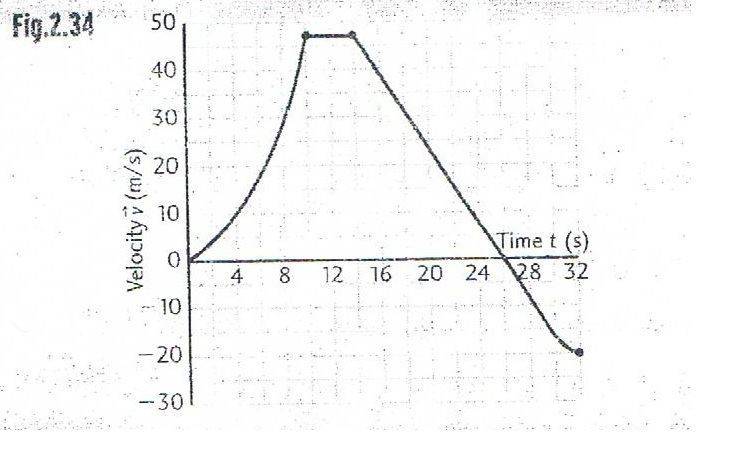
This discussion focuses on calculating distance traveled, displacement, speed, and velocity from velocity-time graphs. Participants emphasize the importance of understanding the area under the curve to determine distance and the direction of the velocity for displacement. Key equations include the formula for distance as the integral of velocity over time and the distinction between speed (scalar) and velocity (vector). The conversation highlights the need for clarity in presenting calculations and assumptions in academic settings.
PREREQUISITES
- Understanding of basic kinematics concepts
- Familiarity with velocity-time graphs
- Knowledge of integral calculus for calculating areas
- Ability to differentiate between scalar and vector quantities
NEXT STEPS
- Study the principles of kinematics in physics
- Learn how to calculate the area under a curve using integration
- Explore examples of velocity-time graphs and their interpretations
- Review the differences between speed and velocity with practical examples
USEFUL FOR
Students in physics courses, educators teaching kinematics, and anyone seeking to understand the application of calculus in analyzing motion through graphs.