SUMMARY
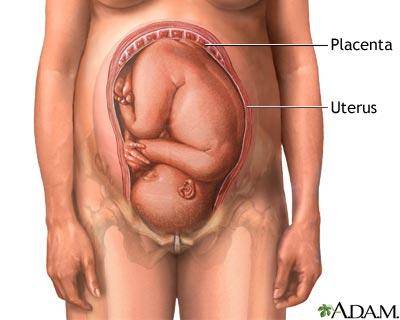
The discussion centers on the various positions a fetus can assume inside the uterus, emphasizing that while most babies are born head-down, they can be in multiple orientations, including breech and posterior. It is established that fetal movement is influenced by gravity, with studies indicating that babies can change positions several times during development. The most common fetal positions at term are left occipitoanterior and right occipitoanterior, accounting for approximately 70% of cases. Additionally, the impact of microgravity on fetal development has been explored, highlighting the importance of orientation in relation to gravity.
PREREQUISITES
- Understanding of fetal development stages
- Knowledge of common fetal positions (e.g., breech, posterior)
- Familiarity with the effects of gravity on biological systems
- Awareness of research methodologies in developmental biology
NEXT STEPS
- Research fetal positioning techniques during pregnancy
- Explore studies on fetal development under microgravity conditions
- Learn about the role of mechanosensation in fetal development
- Investigate the effects of maternal activities (e.g., swimming) on fetal positioning
USEFUL FOR
Expectant parents, obstetricians, midwives, and researchers interested in fetal development and prenatal care will benefit from this discussion.