LittleBrother
- 12
- 0
Is a "coreless" electrical generator anything new?
I'm a self-taught computer programmer who came up with an idea for a coreless electrical generator. I didn't even know how a motor or generator worked at the time, so I did a lot of research.
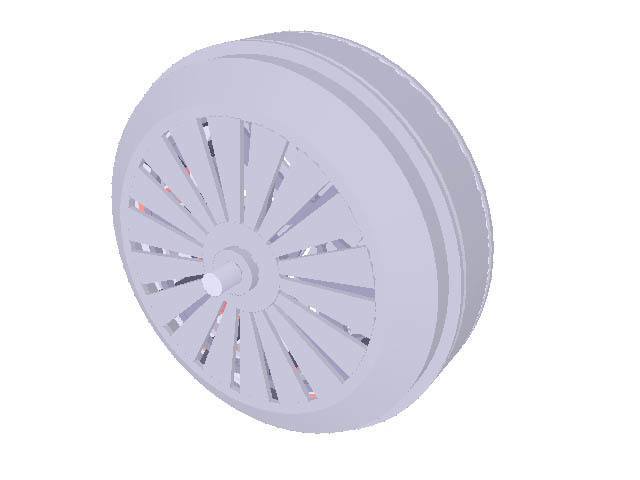
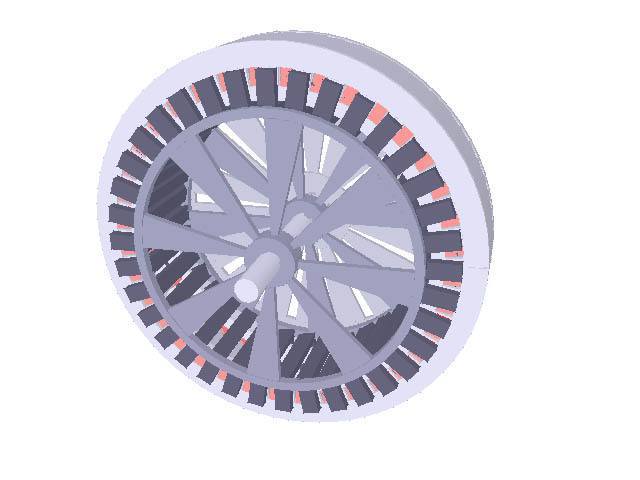
Just for fun, I built a prototype which resembles the images below and has a 14-inch 'hole' and an 18-inch diameter between the coils, and about a 21-inch diameter overall. One could be built much larger with the 'hole' diameter increasing in size but the coils staying 'small'. (I imagine one could even be built the size of a Ferris Wheel.)
I just don't have time (or money) to mess with it anymore. So, I was wondering if anyone here has an interest in it (how it works), or could tell me if something like this has any value, or whatever.
I'm a self-taught computer programmer who came up with an idea for a coreless electrical generator. I didn't even know how a motor or generator worked at the time, so I did a lot of research.
Just for fun, I built a prototype which resembles the images below and has a 14-inch 'hole' and an 18-inch diameter between the coils, and about a 21-inch diameter overall. One could be built much larger with the 'hole' diameter increasing in size but the coils staying 'small'. (I imagine one could even be built the size of a Ferris Wheel.)
I just don't have time (or money) to mess with it anymore. So, I was wondering if anyone here has an interest in it (how it works), or could tell me if something like this has any value, or whatever.